Discover the
Divine Forms
Embark on a spiritual journey through timeless architecture, sacred traditions, and the profound stories that have shaped our rich cultural tapestry for millennia.
- Uncover the mysteries of ancient architectural marvels.
- Read the profound epics and legends of the deities.
- Plan your spiritual pilgrimage to historic sacred sites.
The Cosmic Circuit
Hindu temples are not merely buildings; they are massive, highly engineered energetic hubs mapping the exact anatomy of the human subtle body. From the grounding feet of the Gopuram to the awakened brow of the Garbhagriha, every inch is designed to actively facilitate meditation and mental well-being.
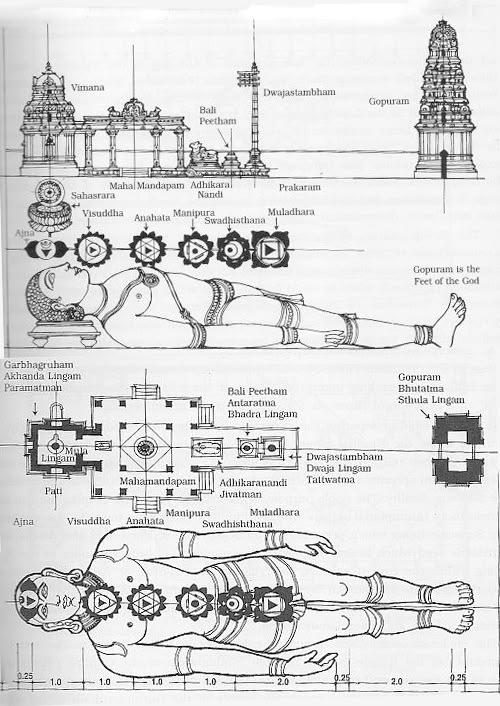
Gopuram
The monumental tower separating the material world from the sacred space. Representing the feet of the cosmic being, it acts as a massive lightning arrestor and cosmic energy converter, grounding you as you step out of worldly chaos.
Dwajasthambam
This towering flagstaff represents the human spinal cord (Kundalini). Often coated in conductive metals like copper or bronze, it acts as a highly conductive antenna, catching atmospheric cosmic energy and grounding it into the temple grid.
Balipeetam
Positioned just before the main halls, the Balipeetam represents the stomach of the Vastu Purusha. It is the symbolic point where the devotee must 'sacrifice' their internal ego, anger, and negative traits to enter with a pure frequency.
Mandapa
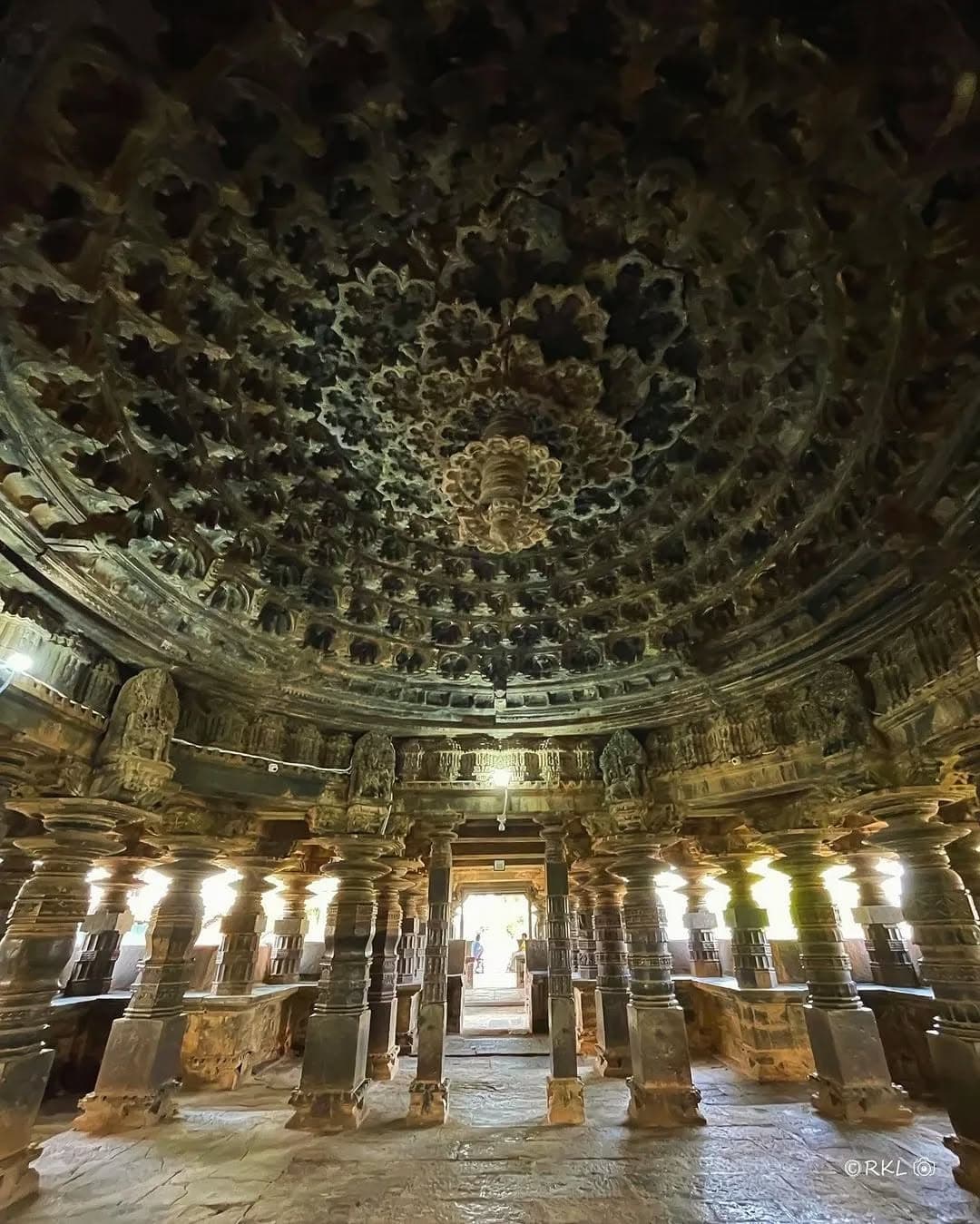
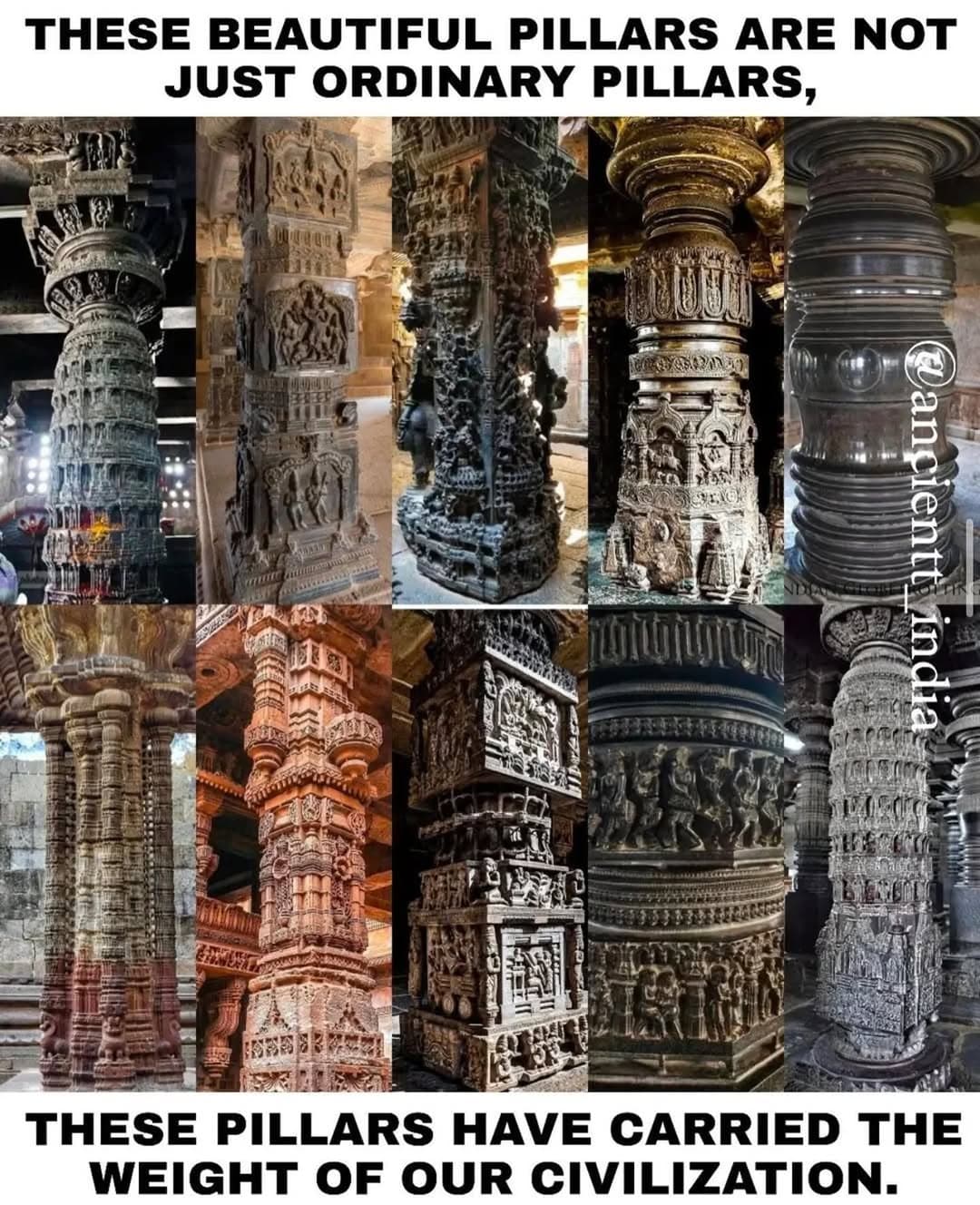
The pillared assembly hall corresponds to the navel. The intricate stone pillars act as profound acoustic diffusers, amplifying the resonance of mantras and bells to clear the mind and induce a harmonious, meditative state.
Antarala
The intermediate throat space bridging the outer hall and the inner sanctum. It controls the gradient of energy, transitioning the devotee from communal, outward celebration into an intense, intimate state of deep concentration.
Garbhagriha & Vimana
The dark, windowless powerhouse capped by a massive pyramidal tower. Built directly on Earth's magnetic meridians with copper plates buried beneath the idol, it concentrates infinite cosmic vibrations into a singular, transformative focal point.
The Living
Ecosystems
To view an ancient Indian temple merely as a place of prayer is to miss its genius. They were the civic, economic, and educational heartbeats of civilization, designed to nurture the mind, body, and soul of society.
Cosmic Energy Centers
Built strictly according to Vastu Shastra and Agamic texts, temples were constructed on high magnetic and positive energy nodes. The Garbhagriha (sanctum) acts as a powerful battery, radiating sound and geometry designed to physically elevate human consciousness.
Sanctuaries of Art
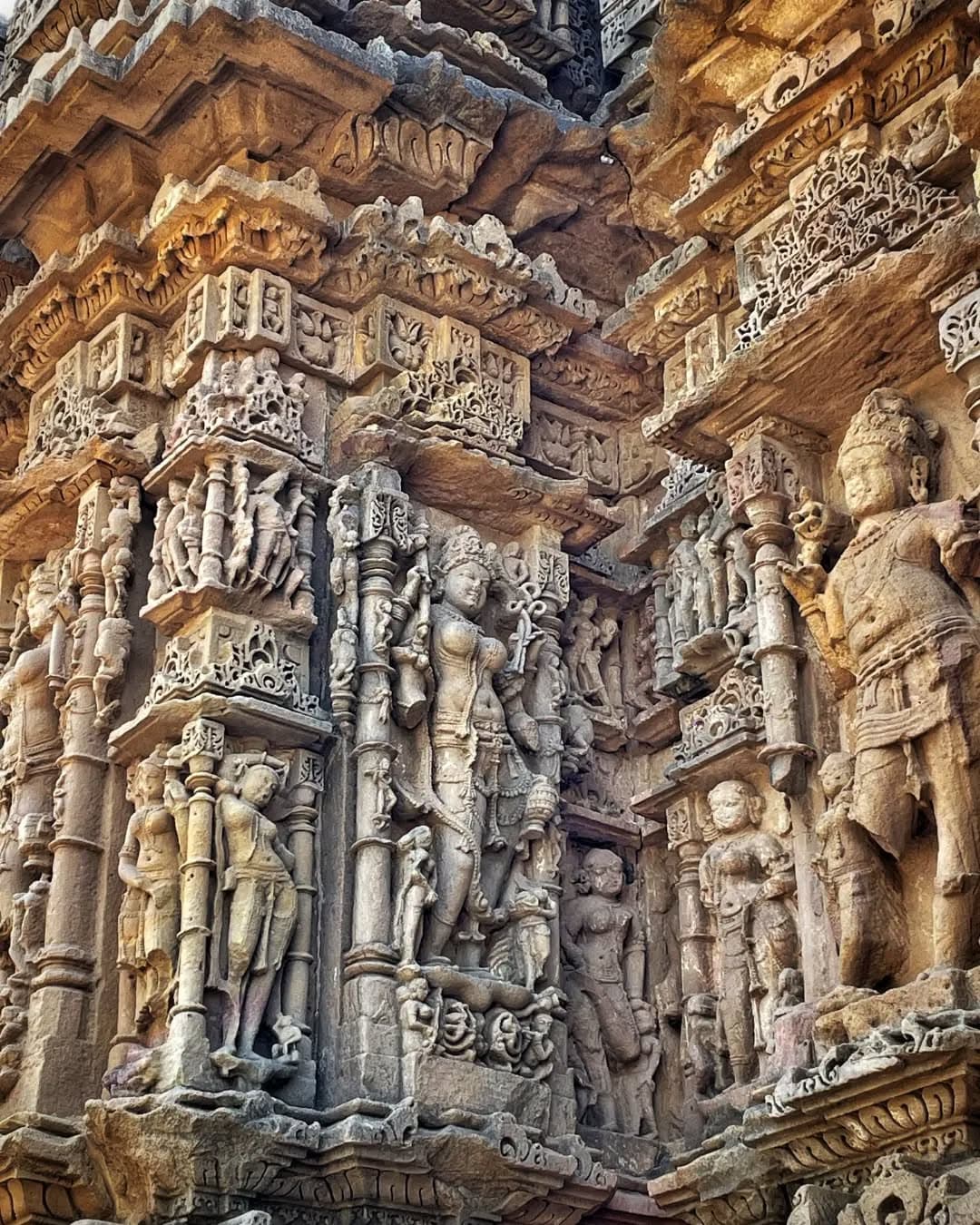
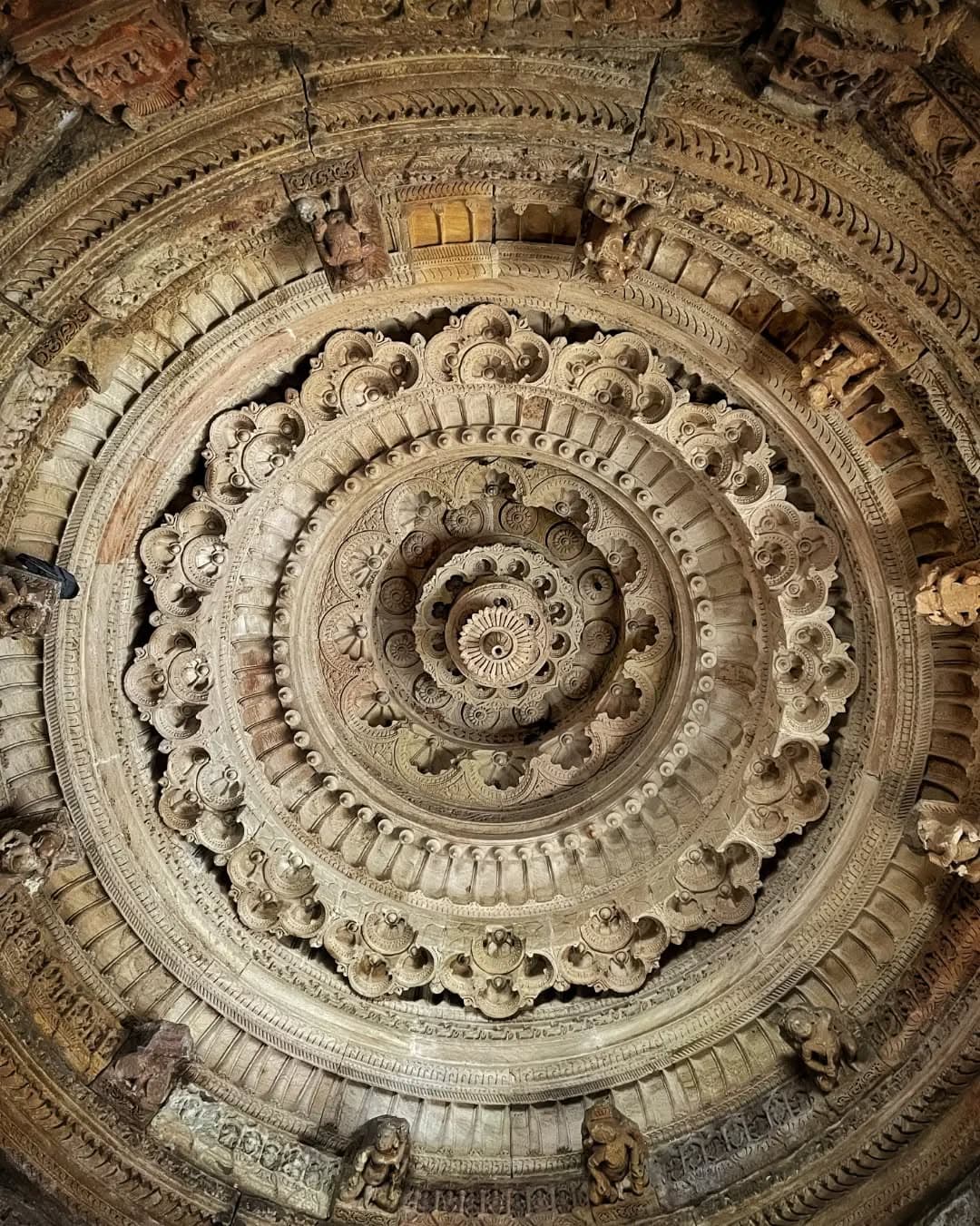
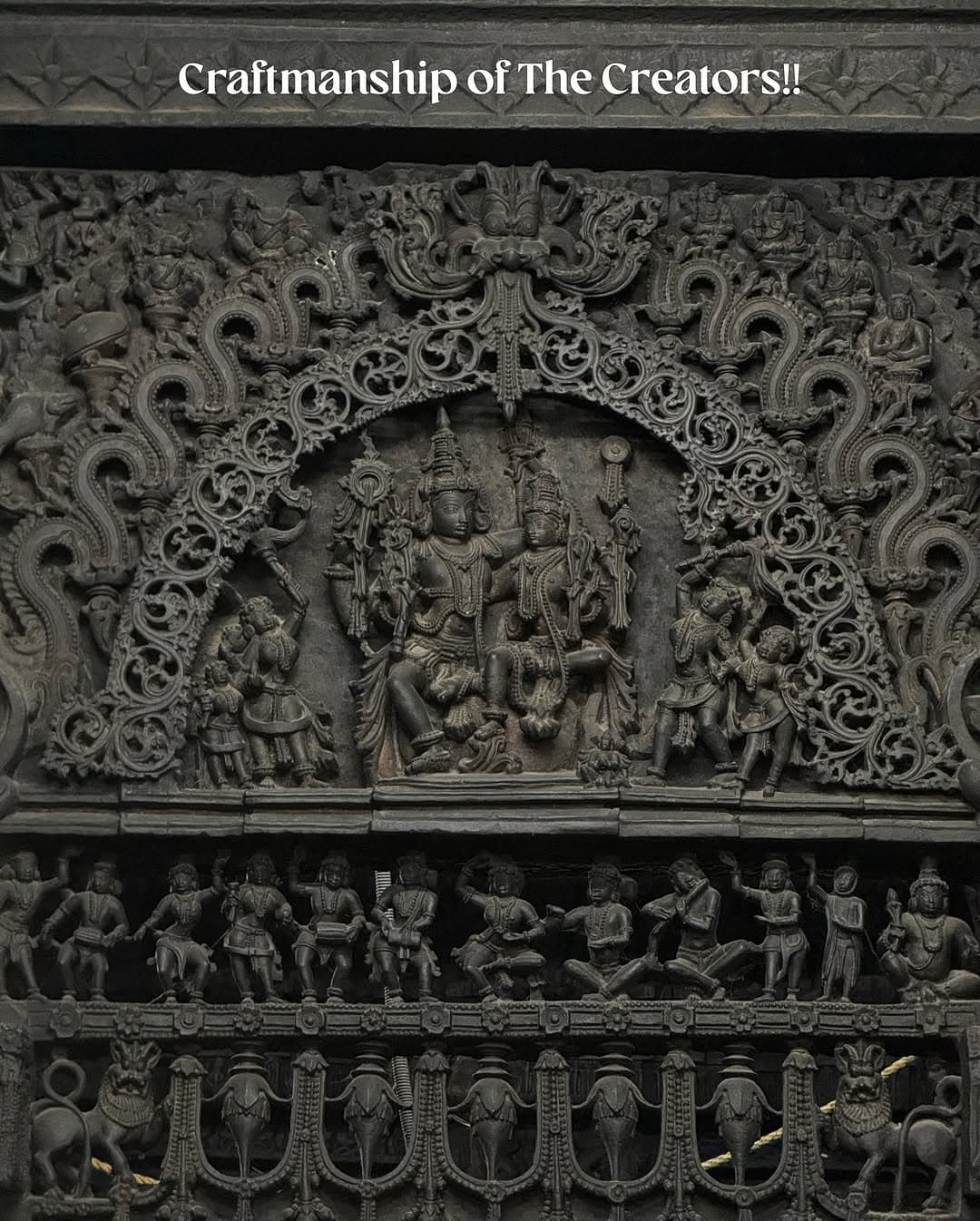
Long before digital archives, temples were the ultimate museums. Every pillar and ceiling was carved to preserve epics for eternity. They housed dedicated 'Natya Mandapas' (dance halls) to sustain classical musicians and Devadasi dancers.
Centers of Knowledge
Temples functioned as 'Ghatikas' and 'Mathas' (educational institutions). They were free universities where vast libraries of palm-leaf manuscripts were kept, and astronomy, mathematics, medicine, and philosophy were taught to the masses.
Economic & Social Hubs
Temples were the largest economic drivers of their time. They employed thousands of architects, farmers, weavers, and jewelers. In times of drought, war, or famine, the massive temple granaries and treasuries sustained the entire region.
Powered by
Modern Software
The incredible scale of ancient temples has not diminished. Today, these ancient stones are supported by cutting-edge digital infrastructure, proving that technological innovation and spiritual heritage can coexist perfectly.
Global Digital Networks
Today's mega-temples are powered by enterprise software. Massive databases handle millions of devotees, while dedicated apps and websites manage live darshan streaming, online bookings, and global digital connectivity.
Logistics & Annadanam
Feeding hundreds of thousands of people daily (Annadanam) requires advanced supply-chain and inventory management software, perfectly tracking metric tons of ingredients to ensure zero waste and infinite service.
The Economic Engine
Digital payment gateways, e-hundi systems, and app-based tourism sustain the entire surrounding economy—funding local vendors, hotels, transport systems, and contributing massive revenue to state infrastructure.
Pioneering Innovation
Temples are testing grounds for the newest technologies. They utilize AI-driven crowd control algorithms, advanced biometric security networks, and massive solar tech grids to maintain order and sustainability.
The Ultimate
Wellness Ecosystem
Temples were not just built for prayer. They were highly advanced, free public wellness centers designed to reset a human beings mind, body, and soul on a daily basis using the profound sciences of sound, biology, and psychology.
Acoustic Healing
Temple bells are precisely crafted from a 5-metal alloy to produce a 7-second echo that synchronizes the left and right brain. Mantras act as rhythmic acoustic therapy, lowering heart rates and calming the nervous system.
Grounding & Earthing
Built on high-magnetic nodes, walking barefoot on the uneven, raw stone floors provides deep acupressure to the feet while allowing the body to absorb positive earthly energy, increasing blood circulation.
Neural Activation
Applying the Bottu (Kumkum or Sandalwood) applies gentle pressure to the forehead's major nerve center. This retains body heat, prevents energy loss, and instantly cools the brain.
Medicinal Nutrition
Teertham is stored in bacteria-killing copper vessels and infused with Tulsi and camphor as a daily immune-boosting tonic. Prasadam ensures no devotee ever leaves hungry, providing vital energy.
Psychological Sanctuary
Temples offer absolute psychological surrender. By handing over unbearable burdens to the Divine, devotees experience massive drops in cortisol (stress hormones), replacing anxiety with profound hope and resilience.
The Architecture of Awe
Standing before impossibly grand, ancient stone marvels triggers a neurological state of 'Awe.' This physically shrinks the human ego, making personal anxieties feel smaller and connecting the mind to the universe.
Monuments of
Devotion
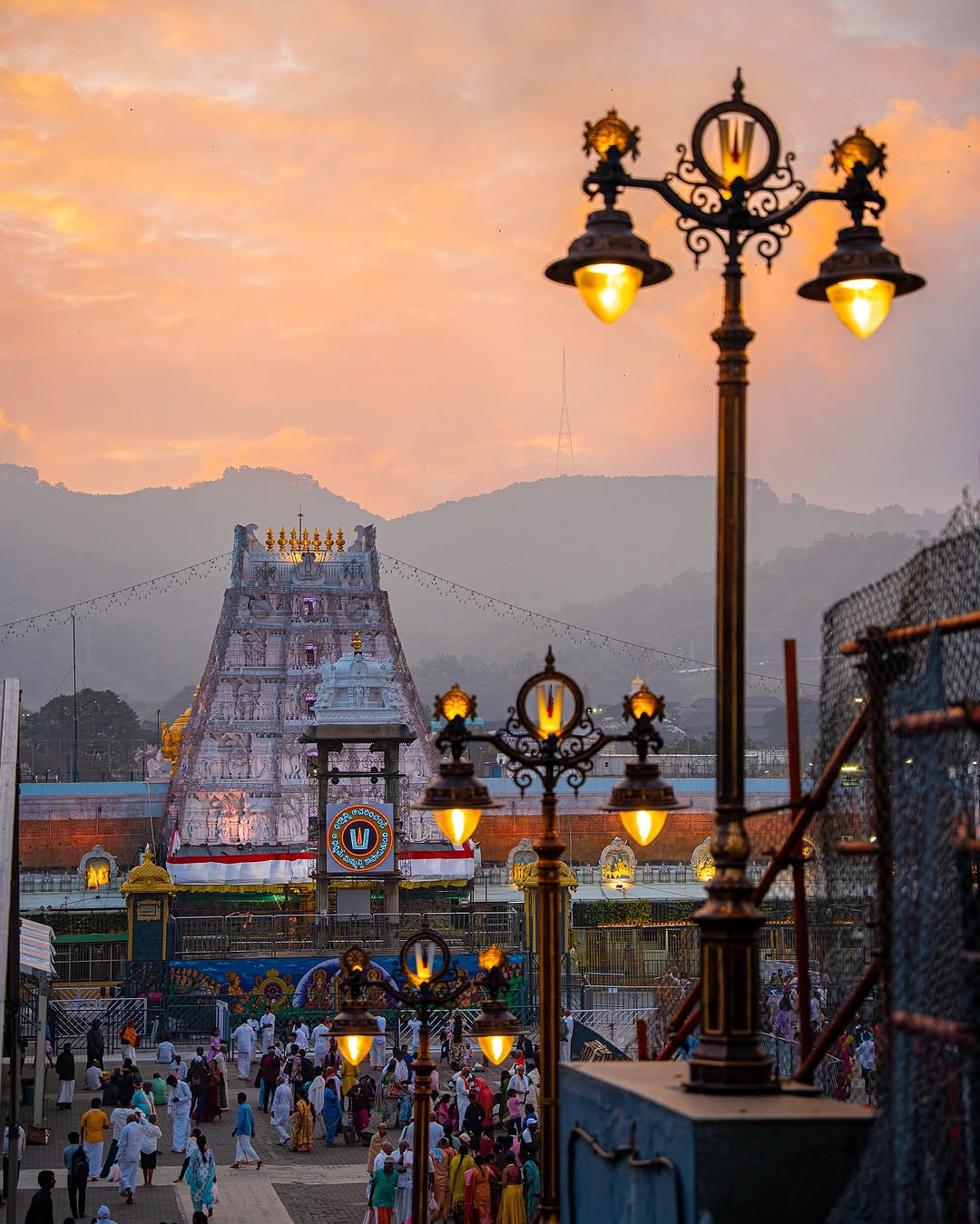
Tirumala • Seshachalam Hills • Tirupati, Andhra Pradesh
Tirumala Venkateswara Temple
Sitting 853 meters above sea level in the Seshachalam Hills, Tirumala is an unparalleled spiritual phenomenon. With a net worth exceeding that of many nations, it is the second most visited religious site in the entire world (following Vatican City and Mecca). Dedicated to Lord Venkateswara, it is globally renowned for its massive scale of devotion, baffling scientific anomalies, and legendary Annaprasadam.
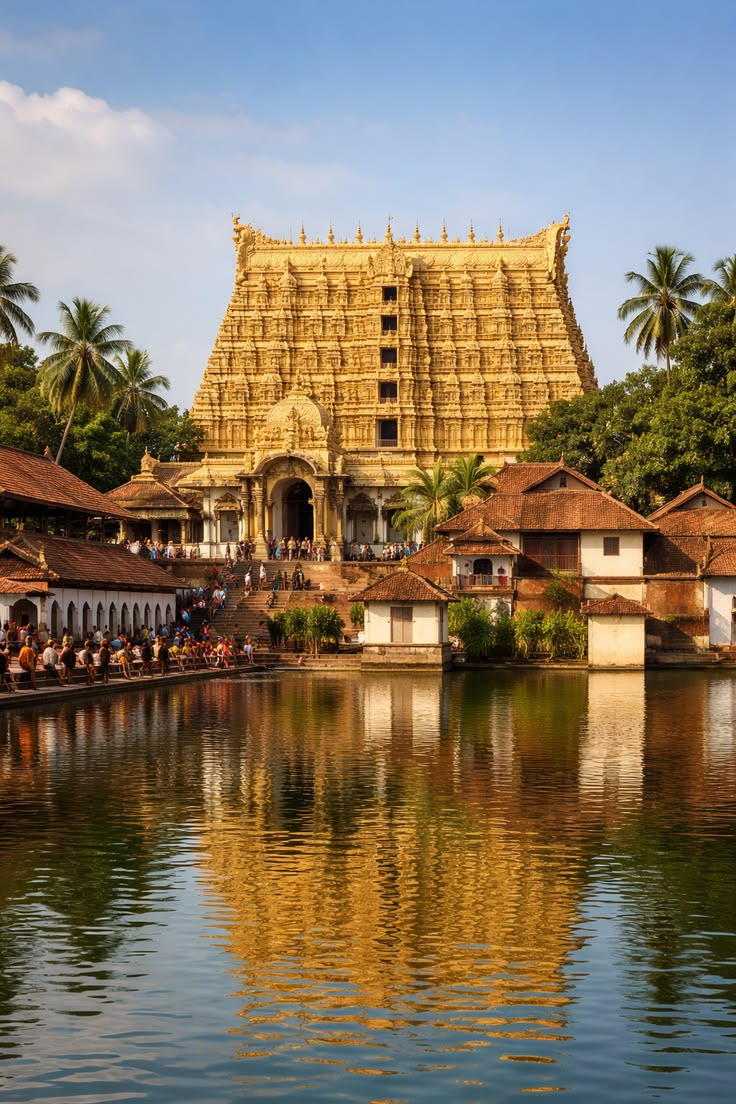
Thiruvananthapuram | Ananthapuri | Trivandrum, Kerala
Padmanabhaswamy Temple
A world-renowned temple dedicated to Lord Vishnu in reclining form, famous for its immense hidden wealth and spiritual significance.
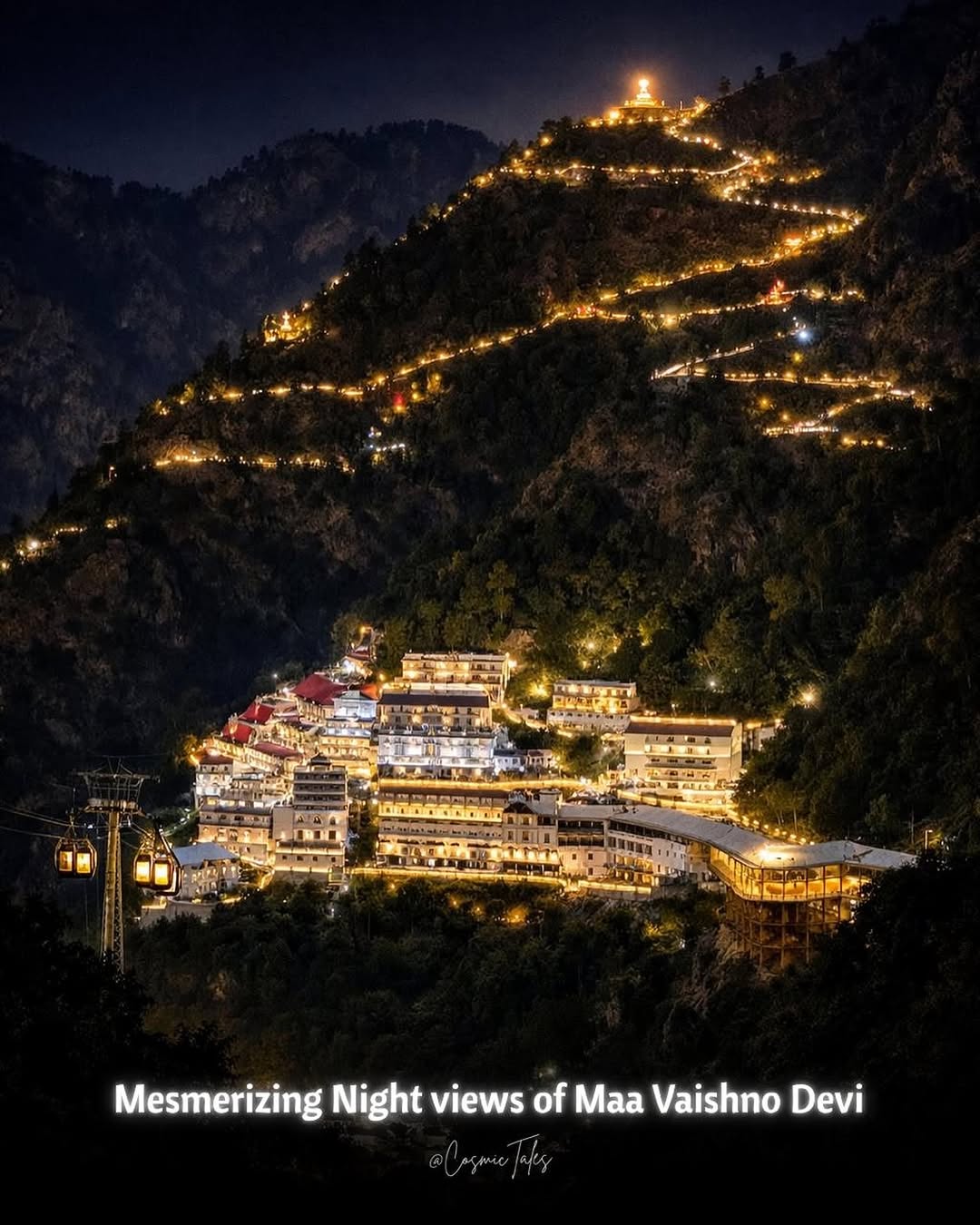
Katra | Trikuta Mountains, Jammu and Kashmir
Vaishno Devi Temple
One of the most revered Shakti shrines in India, located in a sacred cave in the Trikuta Mountains, attracting millions of pilgrims every year.
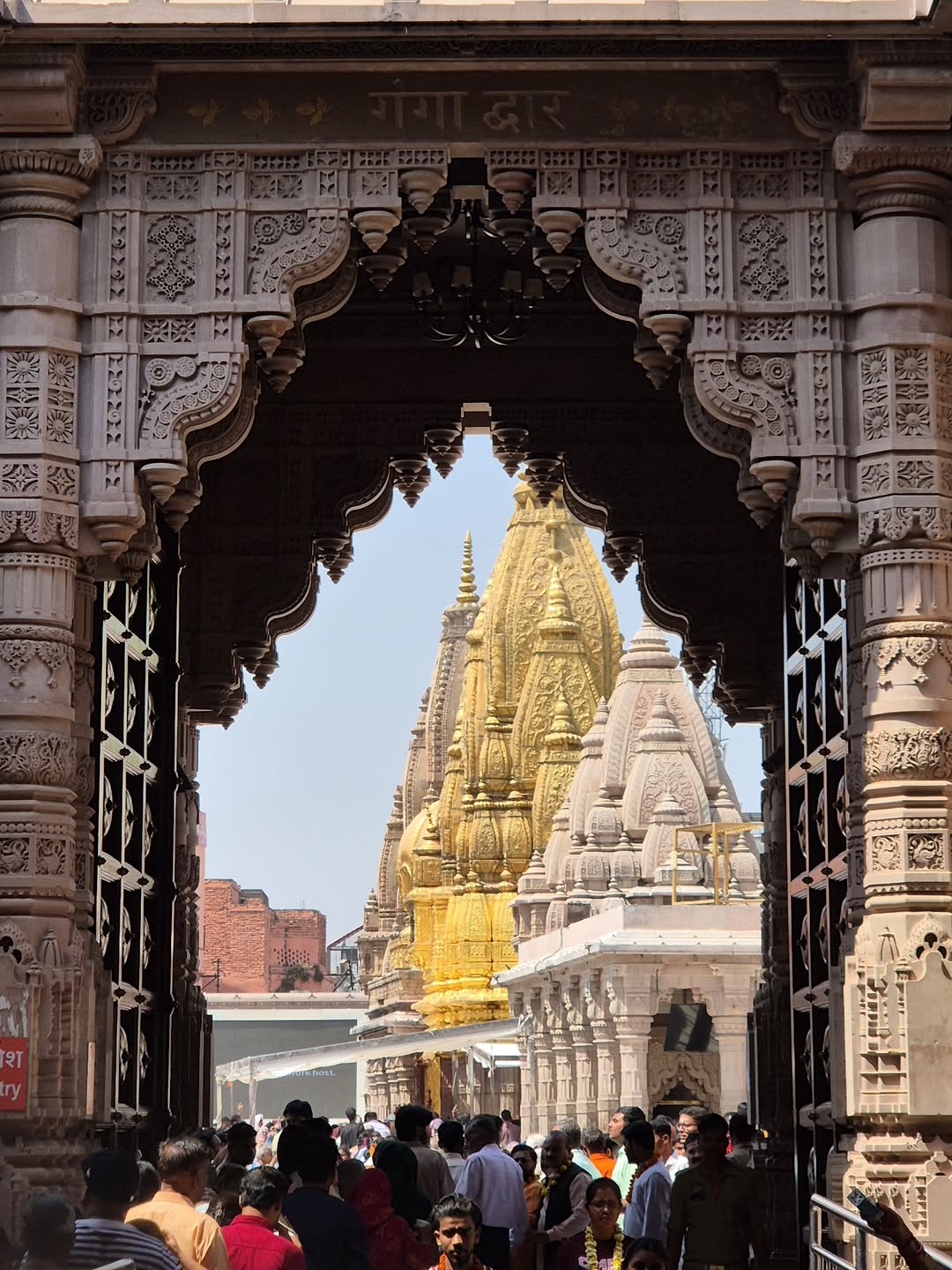
Varanasi | Kashi | Banaras, Uttar Pradesh
Shri Kashi Vishwanath Temple
Kāśi, the 'City of Light,' is the spiritual capital of India. Founded by Lord Shiva himself, the city is an ancient, living mandala where divine energy flows eternally. At its heart lies the Kashi Vishwanath Temple. For centuries, devotees have journeyed to its sacred ghats and labyrinthine lanes seeking purification, knowing that dying in Kashi offers a direct path to Moksha (ultimate liberation).
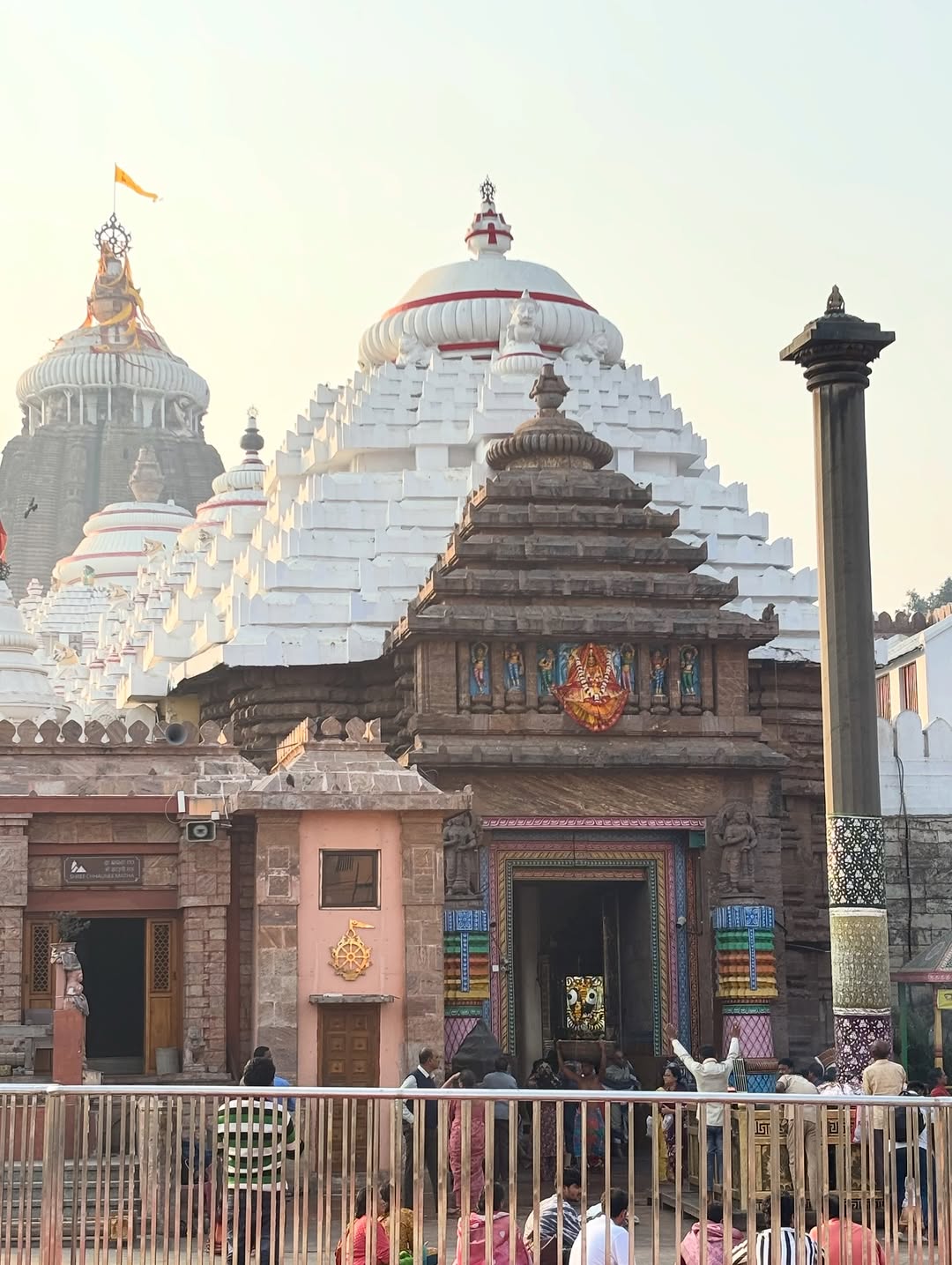
Puri, Odisha
Jagannath Temple
One of the sacred Char Dham pilgrimage sites, famous for its grand annual Ratha Yatra, the mystical 22 steps (Baisi Pahacha), and the deeply revered Mahaprasad cooked in the world's largest traditional kitchen.
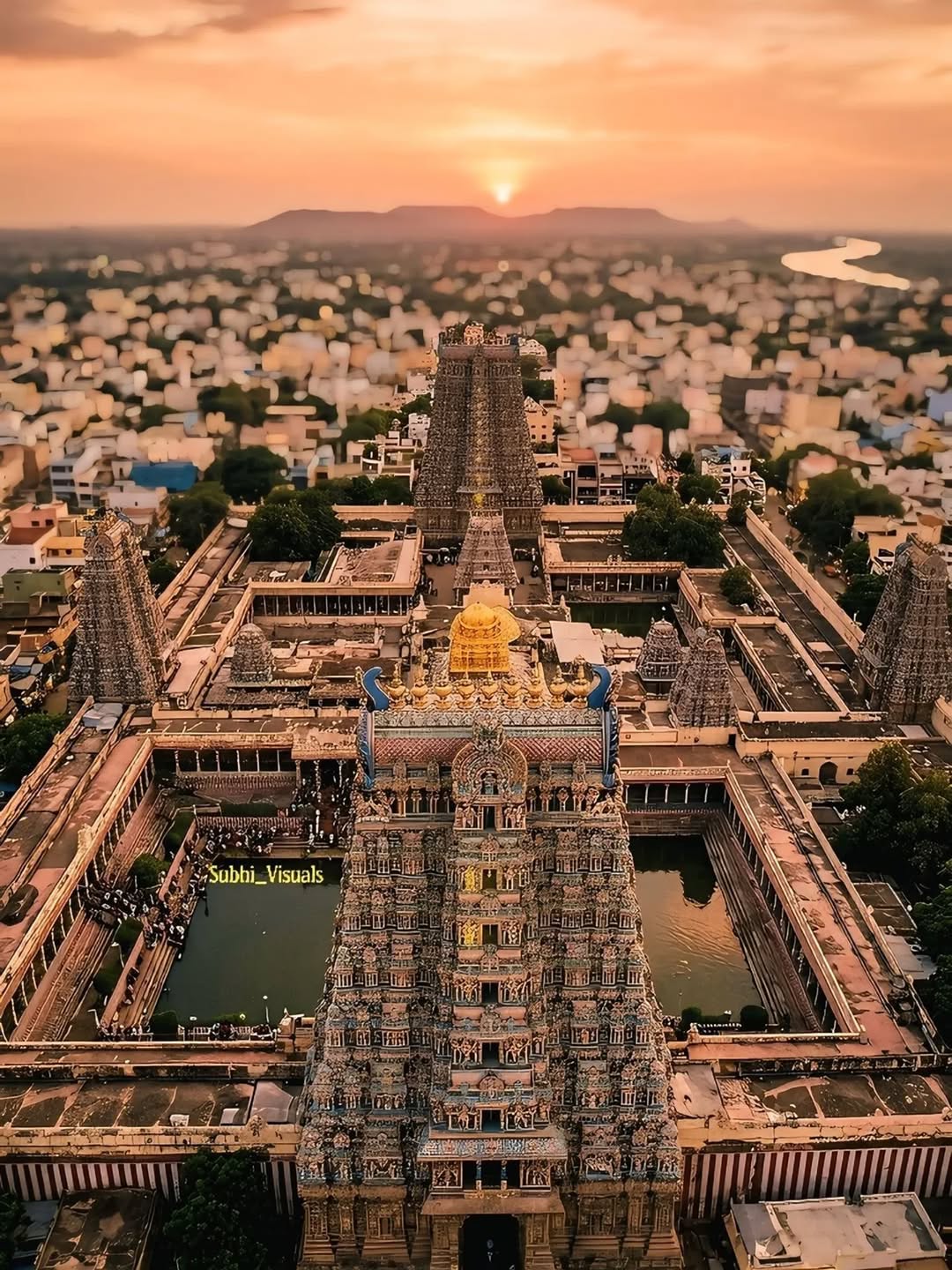
Madurai, Tamil Nadu
Meenakshi Amman Temple
Located in the heart of the ancient city of Madurai, this spectacular architectural marvel is dedicated to Goddess Meenakshi. It is famous for its towering, colorful gopurams and the unique tradition where the Goddess holds primary importance over her consort, Lord Shiva.
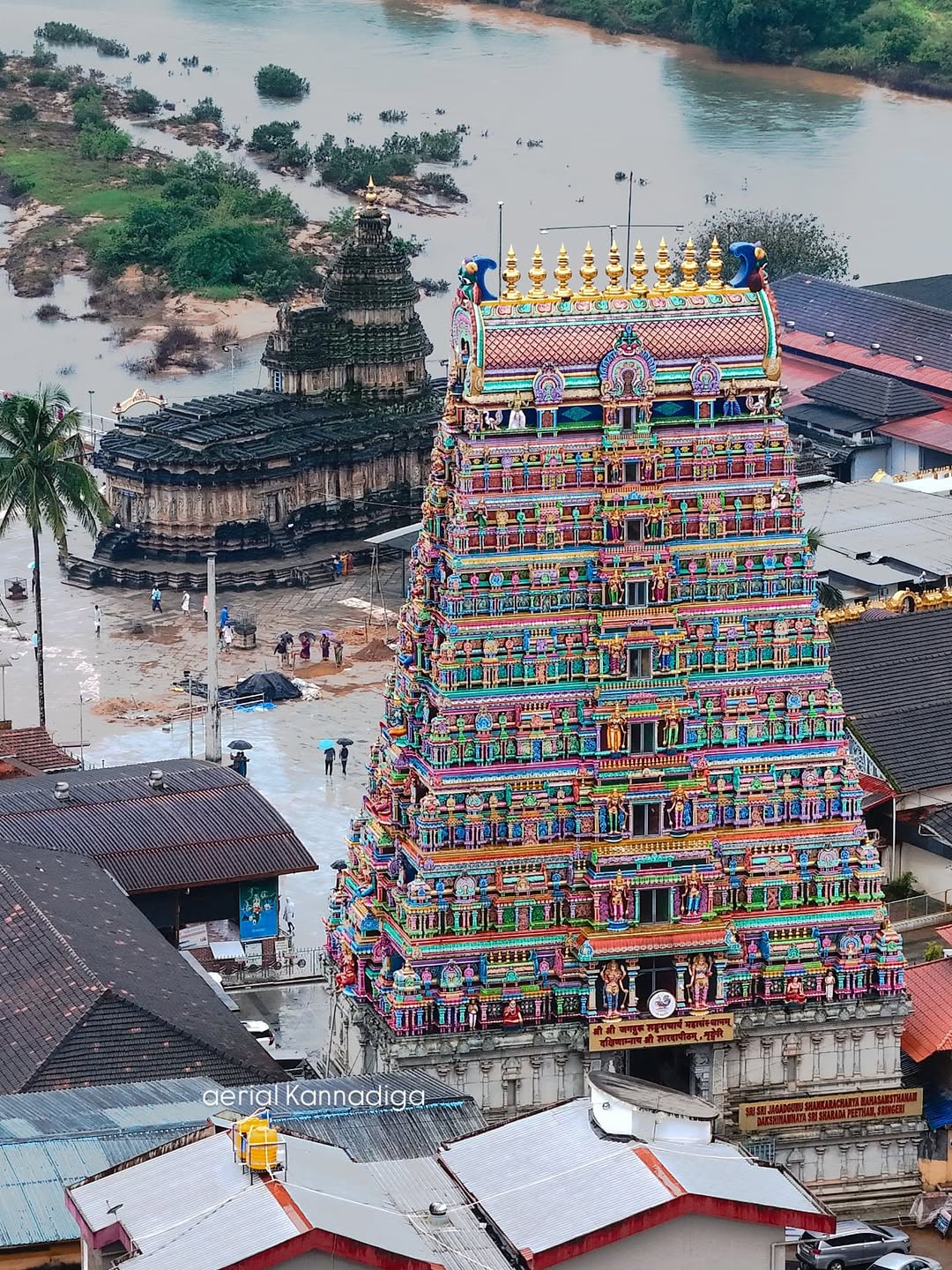
Sringeri, Karnataka
Sringeri Sharada Peetham
The first and foremost of the four original mathas established by the great theologian Adi Shankaracharya, serving as a supreme center for Advaita Vedanta, Vedic learning, and the worship of Goddess Sharada (Saraswati).
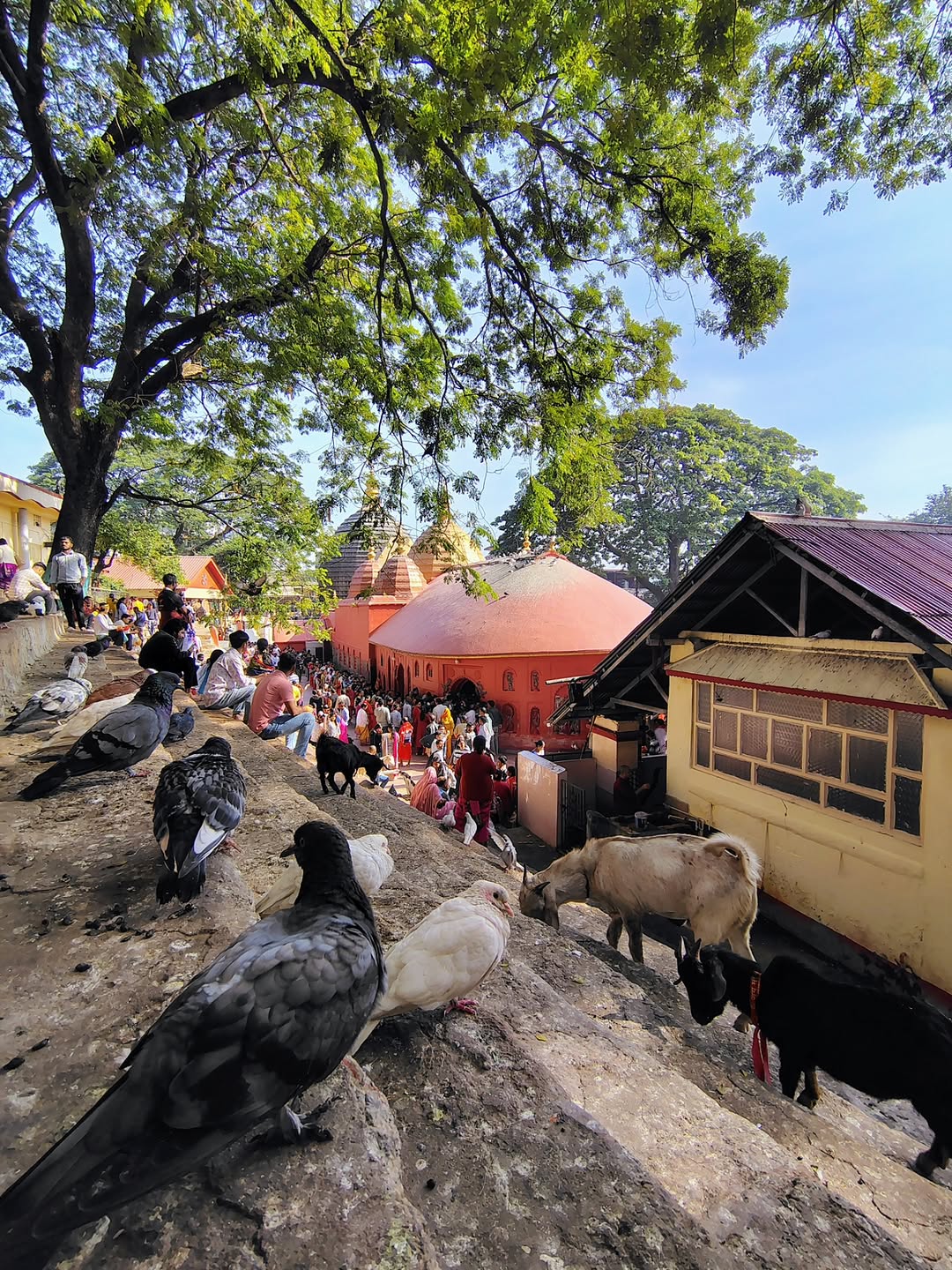
Guwahati, Assam
Kamakhya Temple
Situated on the Nilachal Hill, it is one of the oldest and most revered of the 51 Shakti Peethas, serving as the epicenter of Tantric Shaktism and celebrating the divine feminine power of creation.
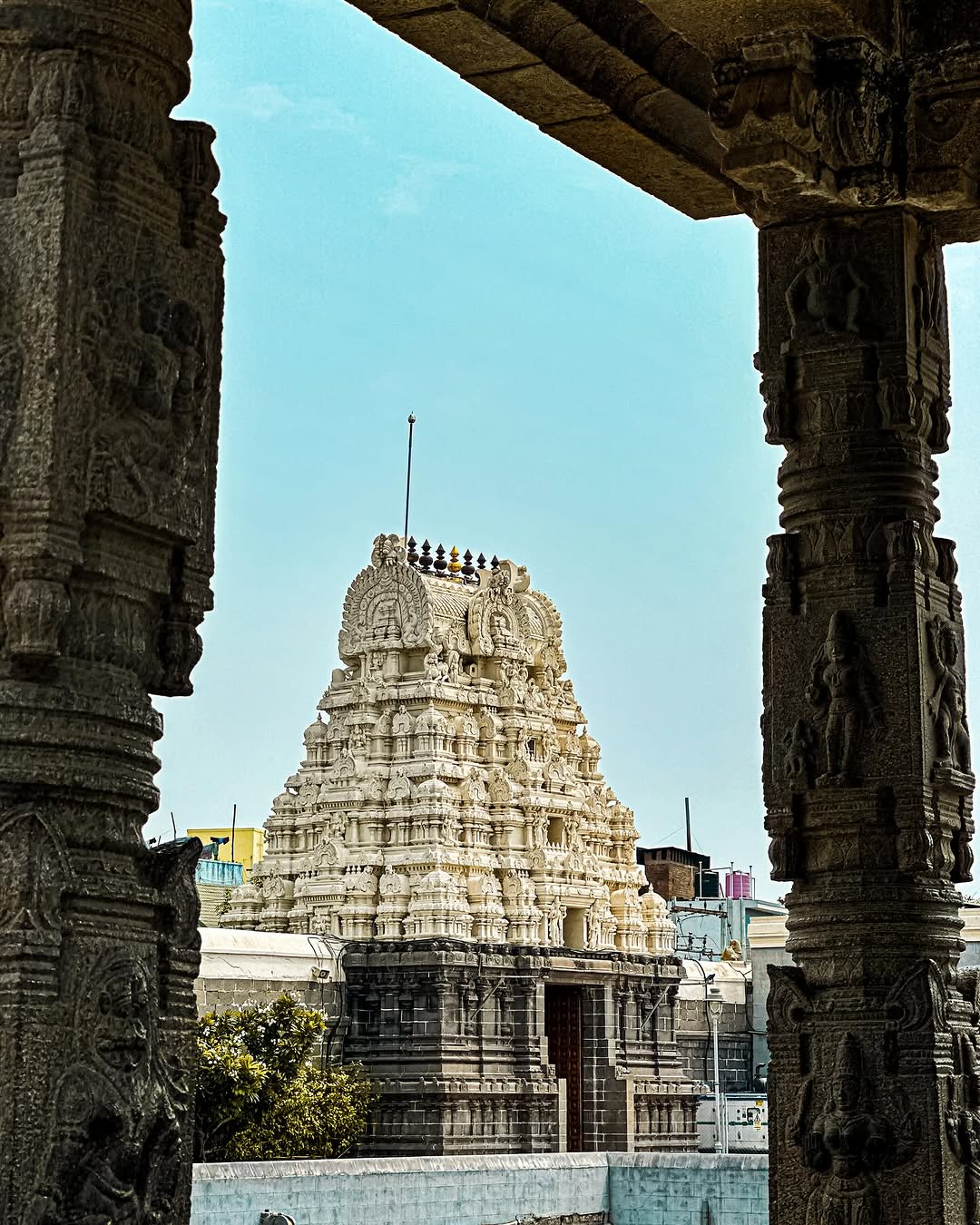
Kanchipuram, Tamil Nadu
Kamakshi Amman Temple
A supremely revered Shakti shrine in the historic city of Kanchipuram, famous for the powerful Sri Chakra installed by Adi Shankaracharya. Regarded as the Earth's 'Navel' (Nabhi Peetham), this temple sits at the heart of a city-wide sacred geometric grid. A pilgrimage here is a complete spiritual and cultural immersion, seamlessly blending cosmic energy, ancient traditions, world-renowned silk sarees, and the iconic Kanchipuram Kovil Idli.
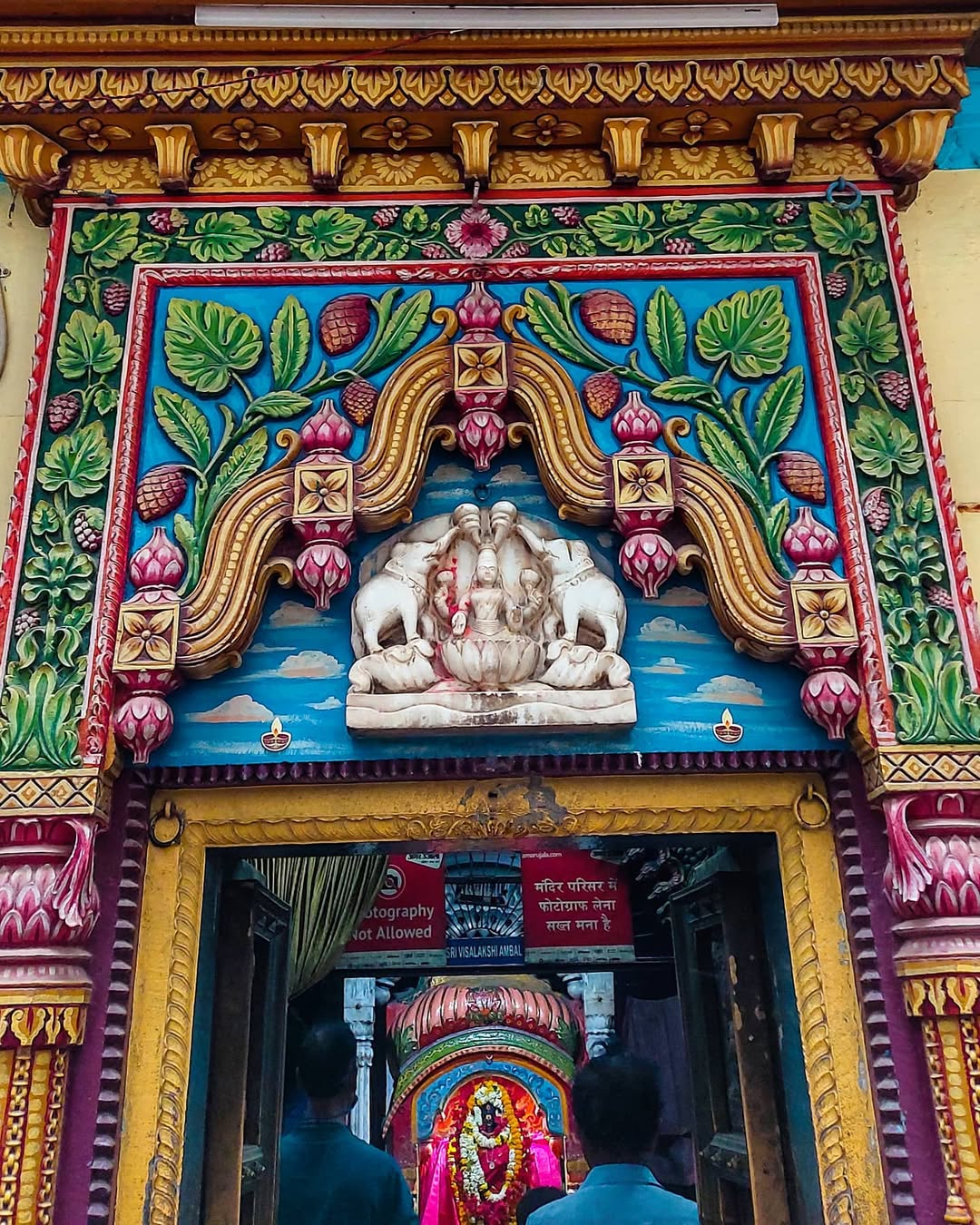
Varanasi | Kashi, Uttar Pradesh
Vishalakshi Gauri Temple
Situated just steps away from the sacred Ganges in Varanasi, this temple is one of the 51 Shakti Peethas. 'Vishalakshi' translates to 'She who has large, beautiful eyes.' Worshipped both as a supreme Shakti Peetha and a vital stop on the Nav Gauri Yatra, she is globally renowned as the bestower of absolute abundance, health, and moksha (liberation).
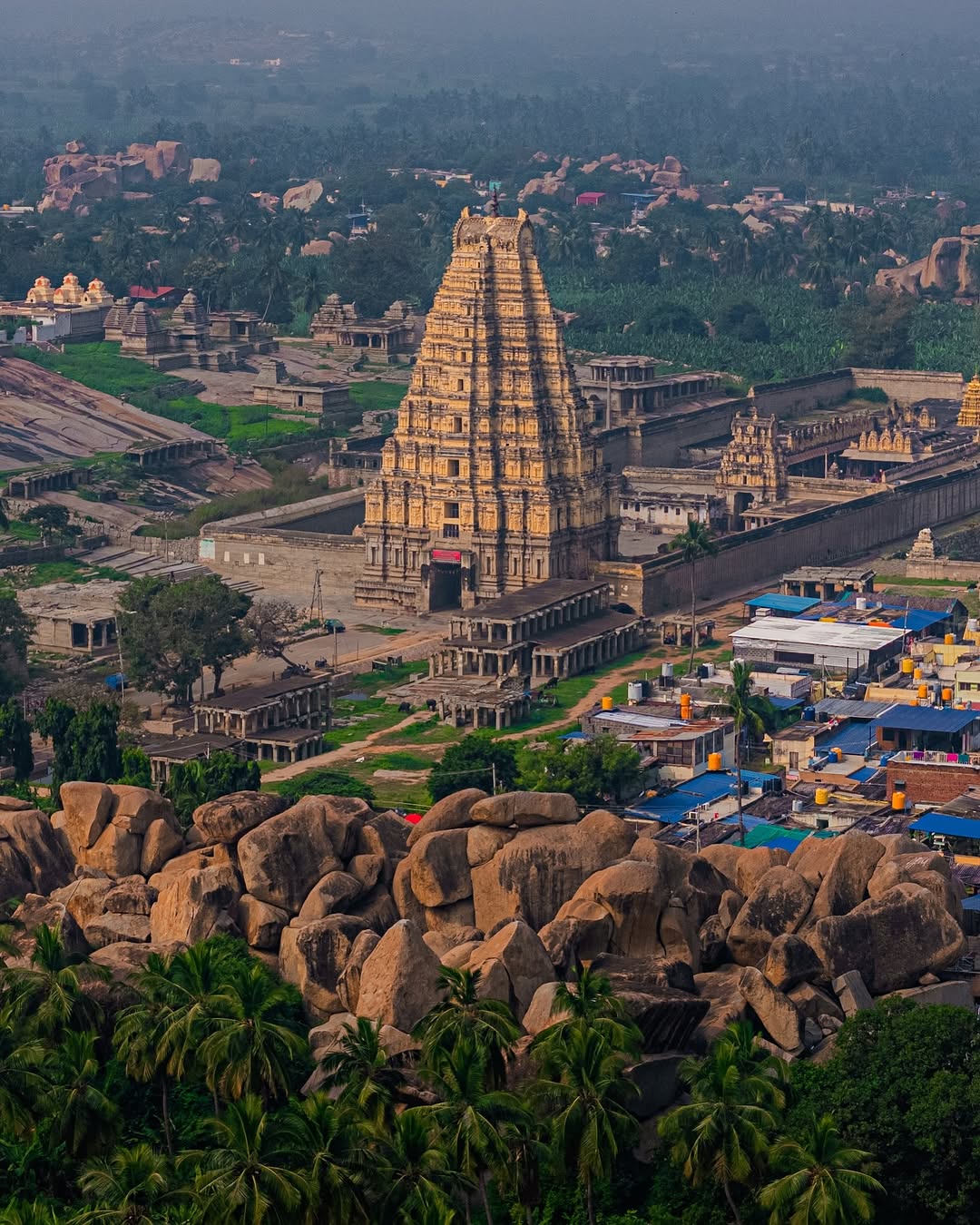
Hampi | Vijayanagara, Karnataka
Virupaksha Temple
The spiritual heart of Hampi, this ancient temple is dedicated to Lord Virupaksha, a form of Shiva. Connecting three distinct eras of time—the mythological Pampa Kshetra, the Kishkindha of the Ramayana, and the pinnacle of the Vijayanagara Empire—it is famous for its soaring gopuram, profound devotion, and a unique 15th-century pinhole camera effect that projects an inverted shadow of the main tower.
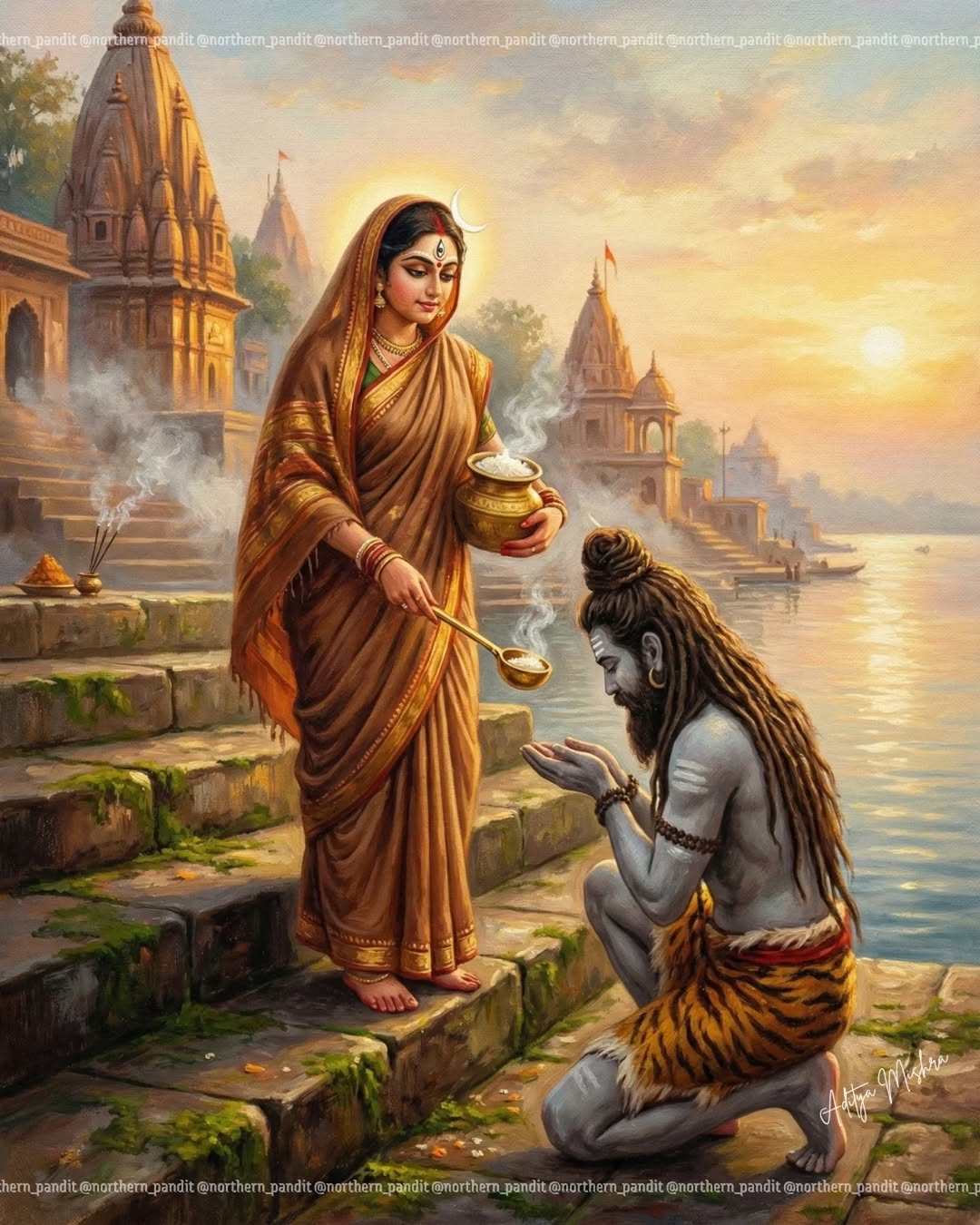
Varanasi | Kashi | Banaras, Uttar Pradesh
Kashi Annapurna Mandir
Located near the Kashi Vishwanath Temple, this shrine is dedicated to Goddess Annapurna, the divine mother of nourishment, who ensures that no one in the holy city of Kashi ever goes to sleep hungry.
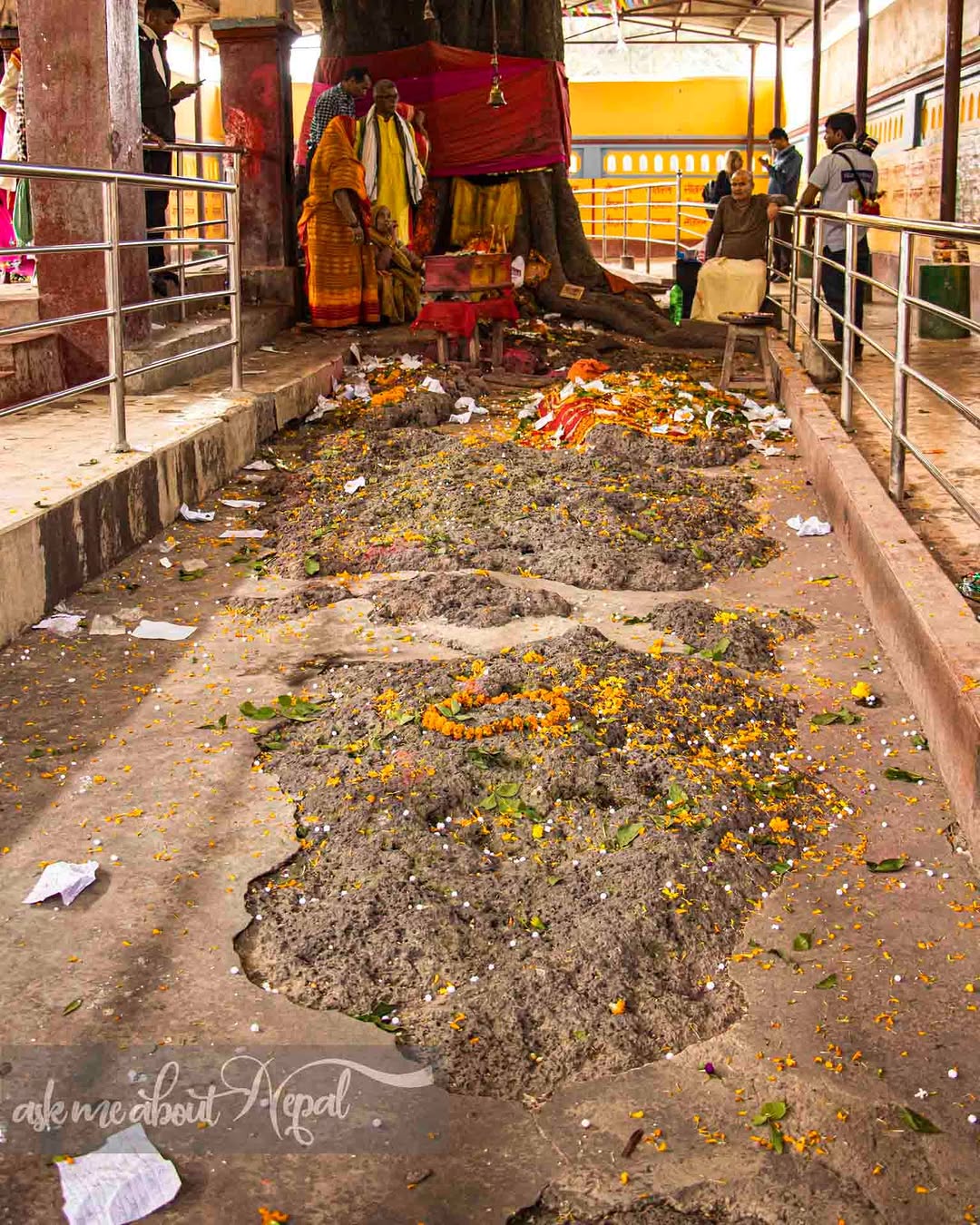
Dhanushadham | Janakpur, Madhesh Province (Nepal)
Dhanushadham Temple
Located a short distance from the historic city of Janakpur in Nepal, this revered pilgrimage site marks the exact spot where a fragment of Lord Shiva's divine bow (Pinaka) fell after being broken by Lord Rama during Goddess Sita's Swayamvara.
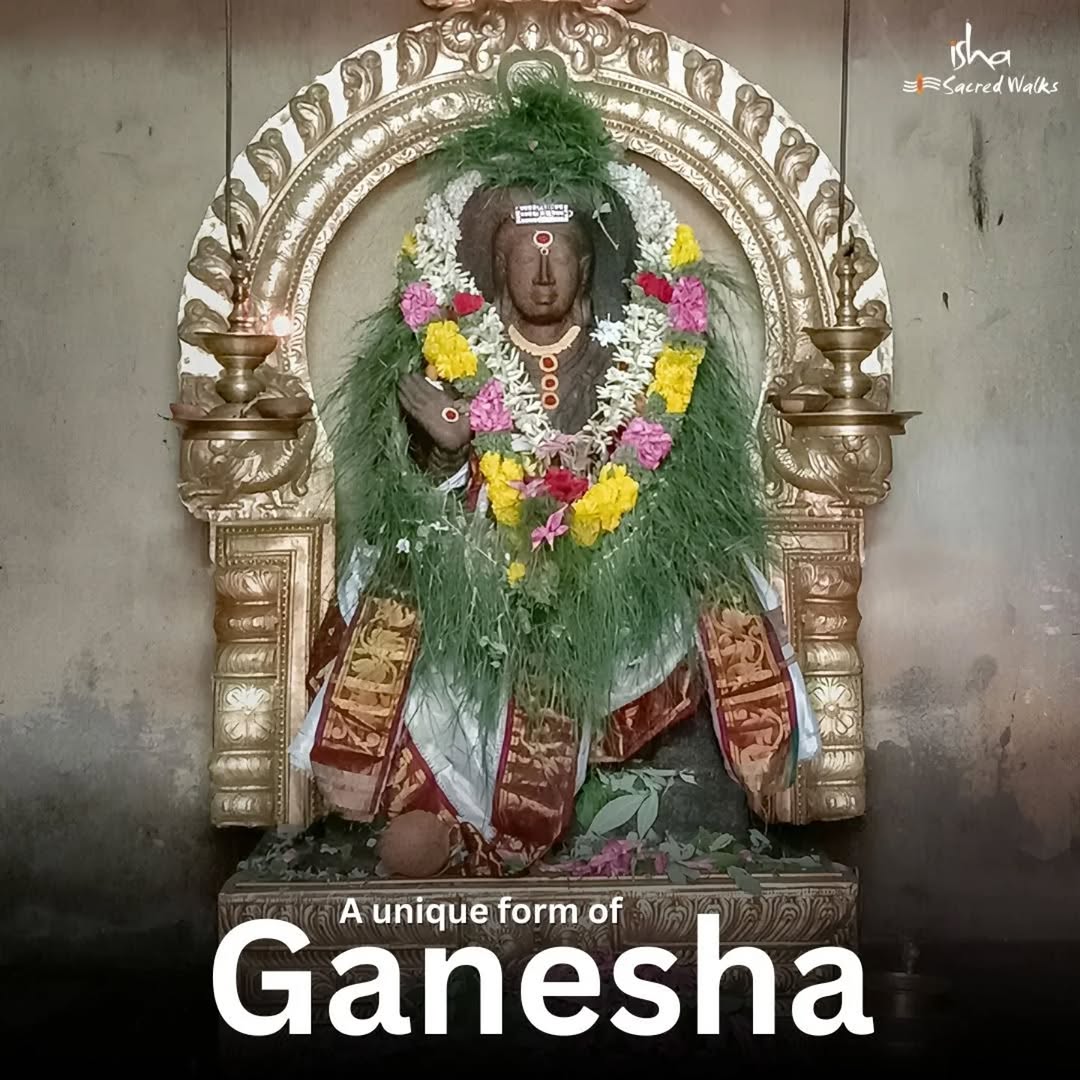
Sethalapathy (Thilatharpanapuri) | Thiruvarur, Tamil Nadu
Adi Vinayaka Temple
A highly unique and ancient shrine located on the banks of the Arasalar River, globally renowned for housing an idol of Lord Ganesha with a human face (Nara Mukha) and for being a supreme destination for ancestral rites.
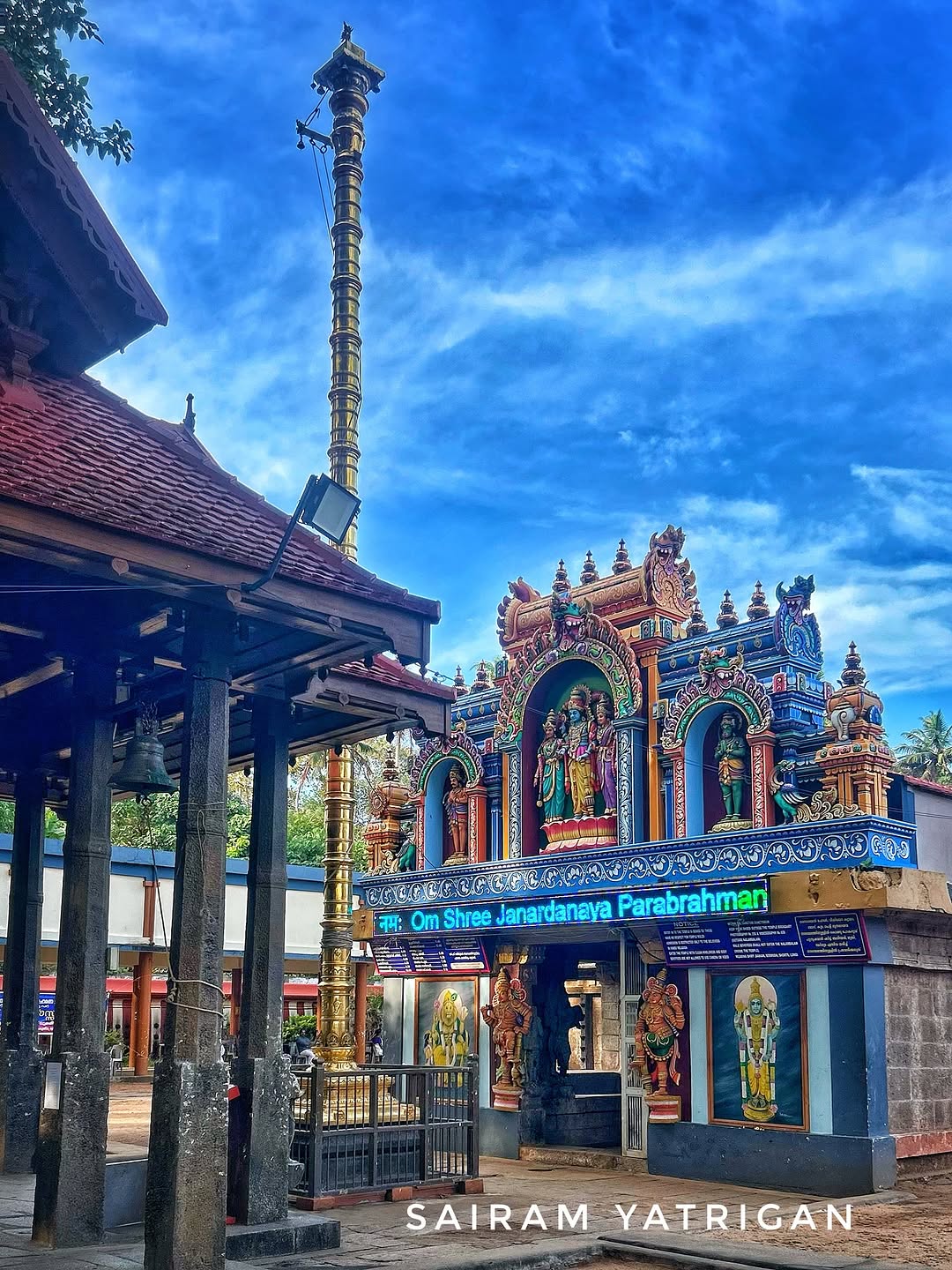
Varkala | Thiruvananthapuram, Kerala
Sree Janardhana Swamy Temple
An ancient 2,000-year-old hilltop shrine situated near the picturesque Papanasam Beach in Kerala. Known as the 'Varanasi of the South' (Dakshin Kashi), it is globally renowned for ancestral rites and spiritual purification.
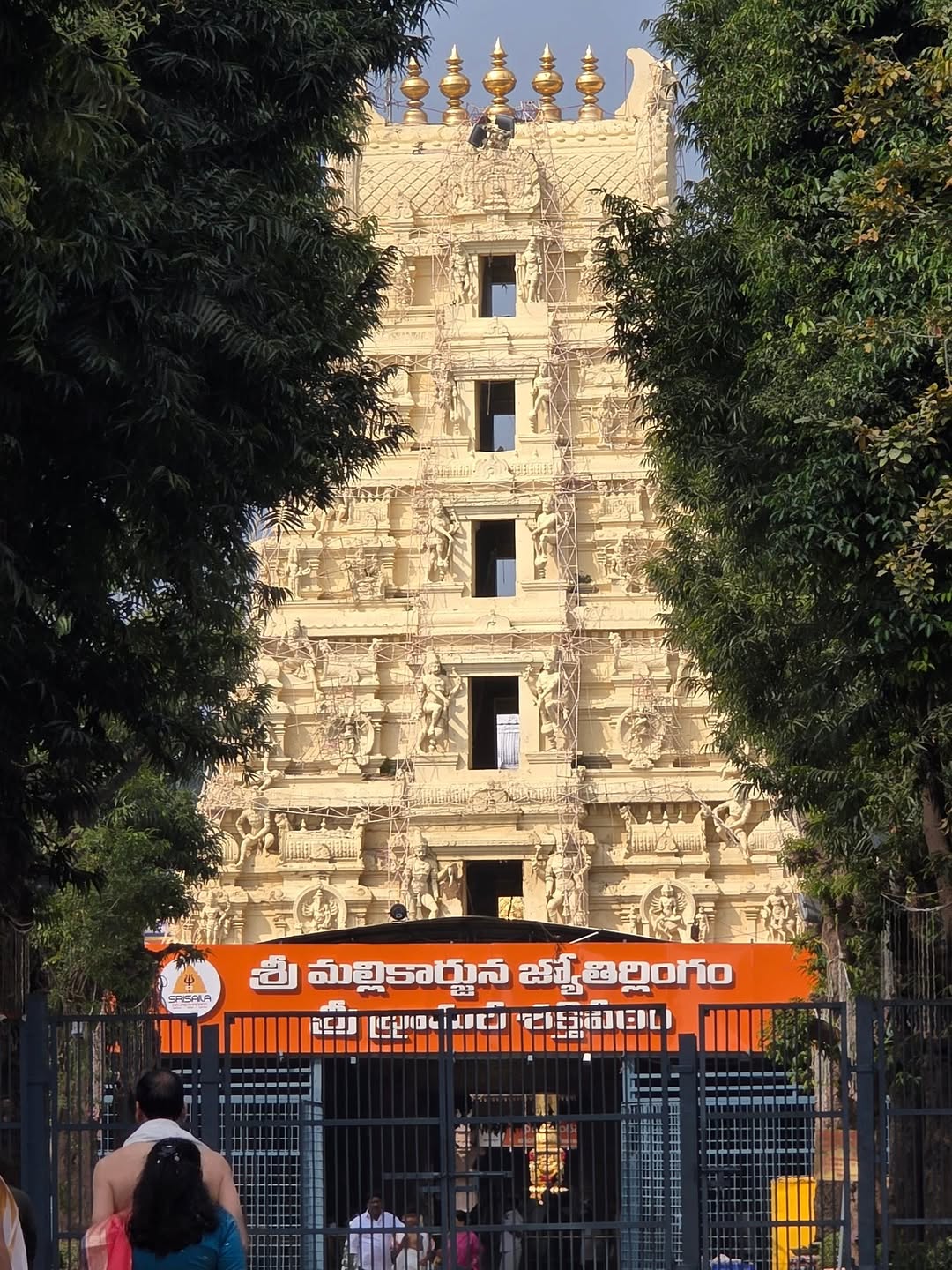
Srisailam, Andhra Pradesh
Mallikarjuna Swamy Devasthanam
Nestled deep in the lush Nallamala Hills along the banks of the Krishna River, Srisailam is an incredibly rare dual-shrine. Revered globally as both a Jyotirlinga and a Maha Shakti Peeth, it is known as 'Dakshina Kailasam'. It is said that every evening, Lord Shiva's feet touch this very land, making it the only place on earth outside of Mount Kailash where Shiva walks daily.
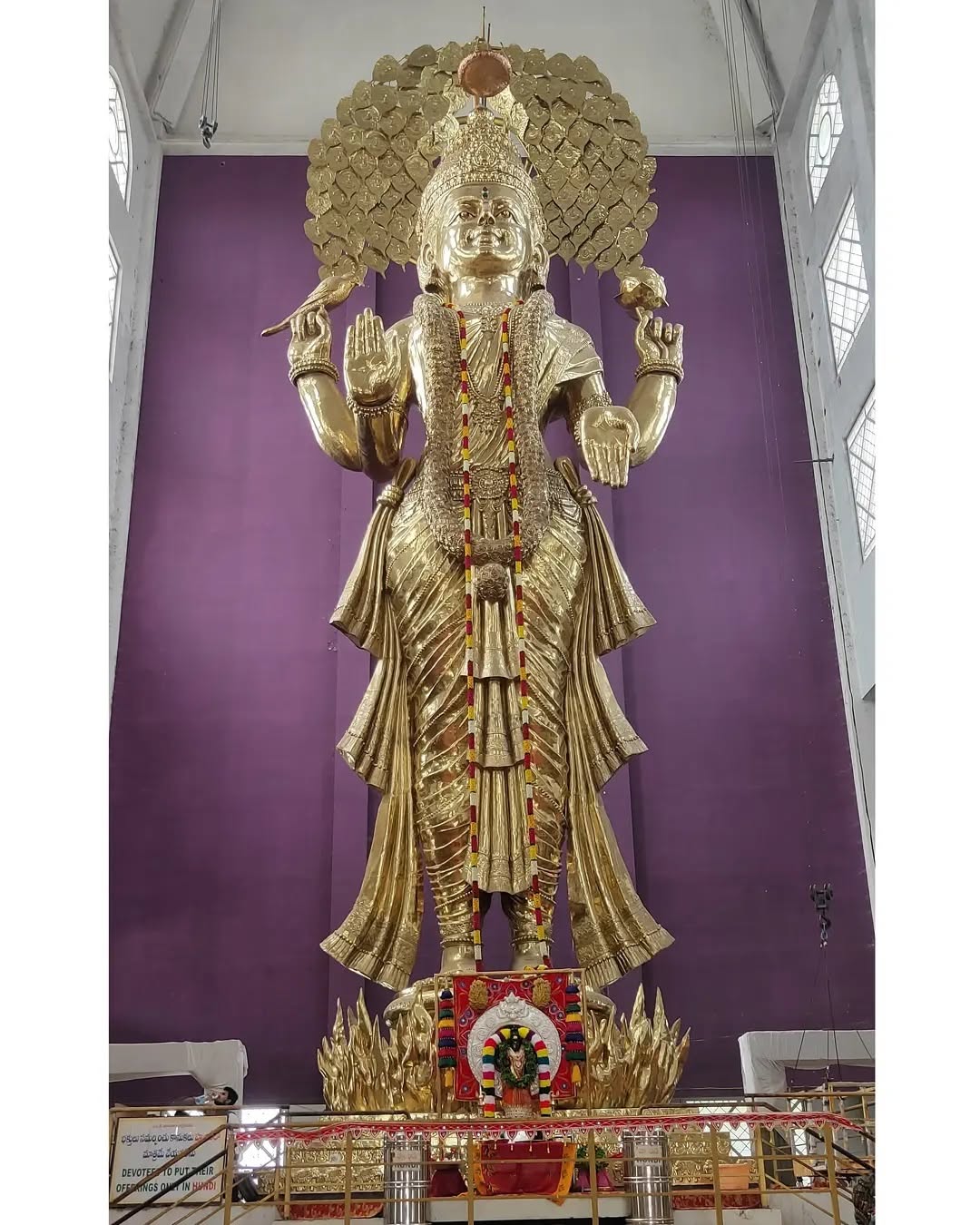
Penugonda, Andhra Pradesh
Sri Vasavi Kanyaka Parameshwari Temple
Located in the sacred town of Penugonda, widely revered as the 'Kasi of Vysyas', this magnificent temple is the spiritual epicenter and birthplace of Goddess Sri Vasavi Kanyaka Parameshwari. It stands as an eternal monument to her core message to the world: Dharma, Integrity, and Ahimsa (non-violence), commemorating the ultimate sacrifice she made to prevent war and bloodshed.
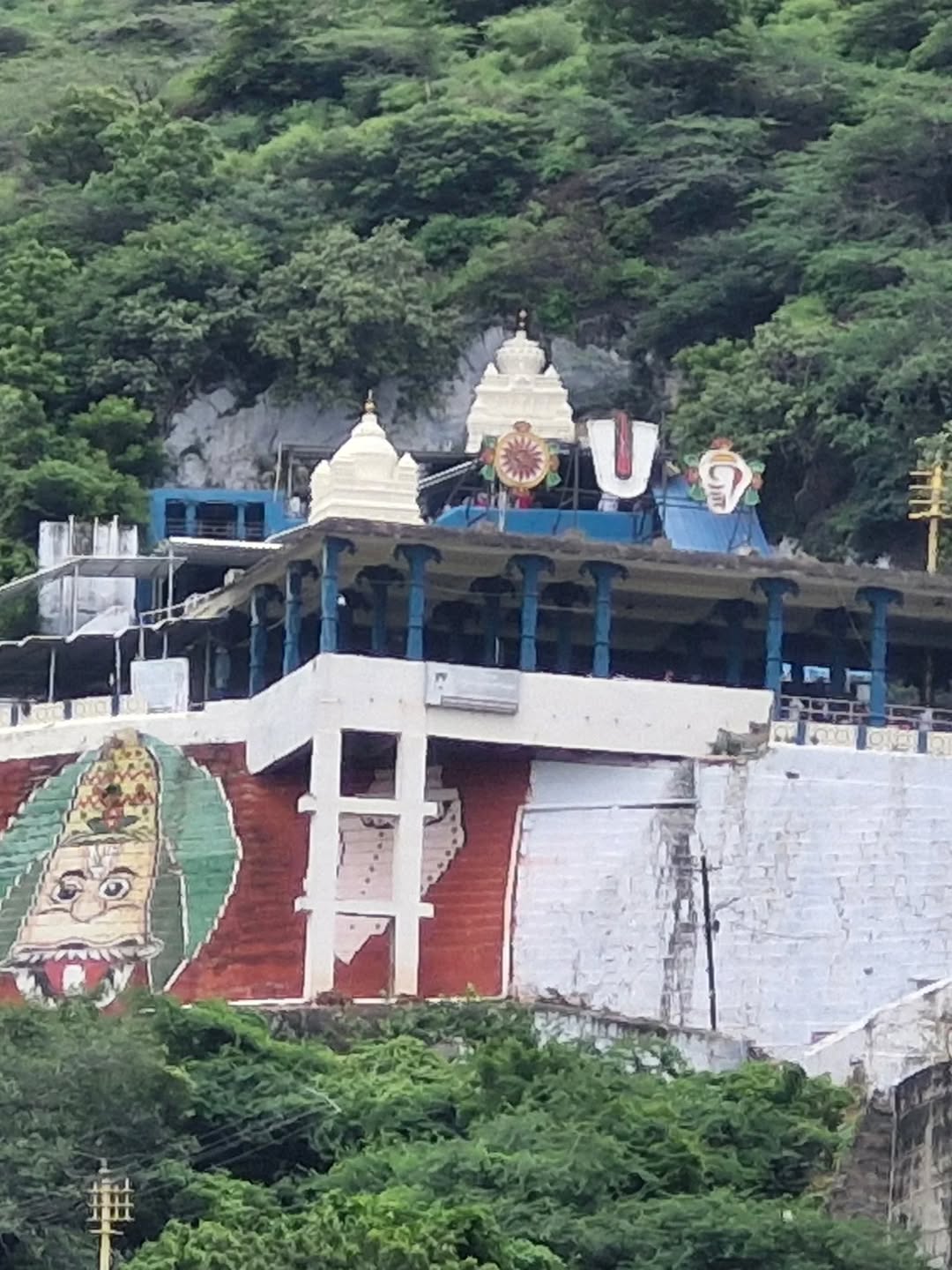
Mangalagiri (Guntur District), Andhra Pradesh
Panakala Narasimha Temple
Located on an auspicious elephant-shaped hill, Mangalagiri is one of the eight sacred Mahakshetrams of Lord Vishnu in India. It is world-famous for its living miracle—the hilltop deity of Panakala Narasimha, who literally 'drinks' jaggery water offered by devotees, echoing with a distinct gurgling sound that defies scientific explanation.
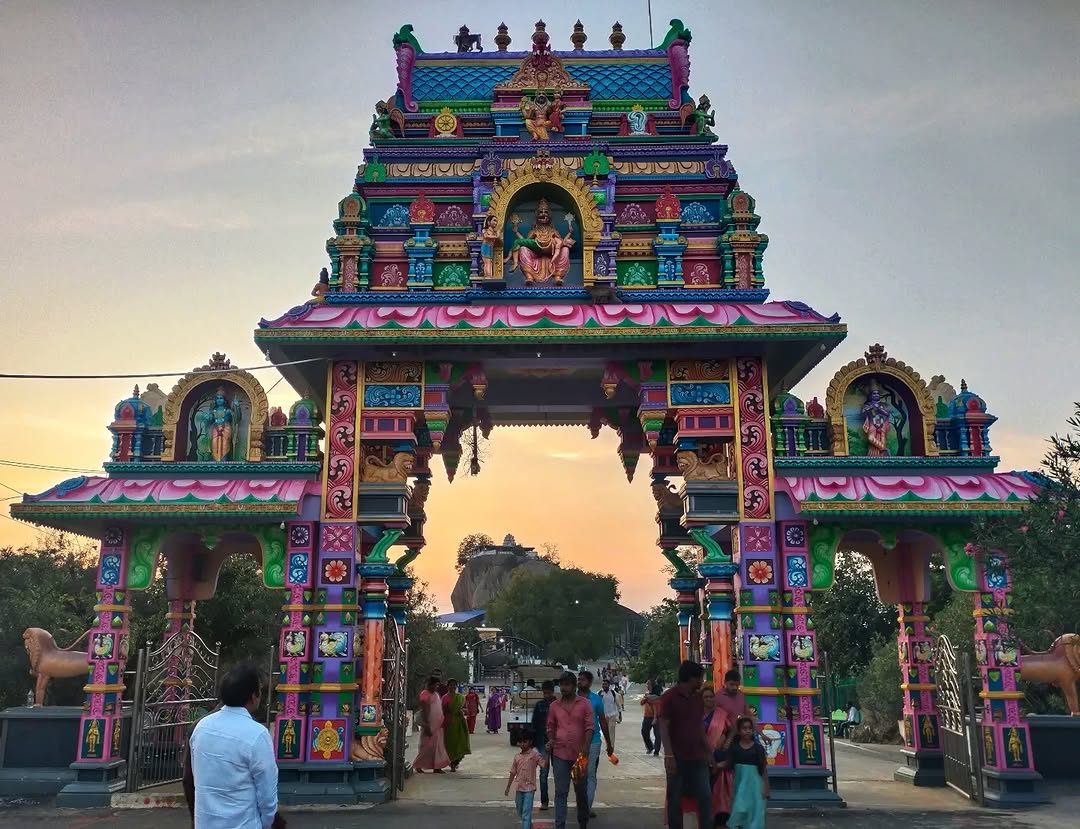
Malakonda (Prakasam District), Andhra Pradesh
Malyadri Narasimha Swamy Temple
Hidden within the dense forests of Prakasam district, Malakonda is a sacred 14th-century hill shrine. Known as Malyadri (Garland of Hills), it is renowned for its tranquil 9-inch Swayambhu idol of Lakshmi Narasimha and the profound cosmic rule that the temple opens to human devotees strictly on Saturdays.
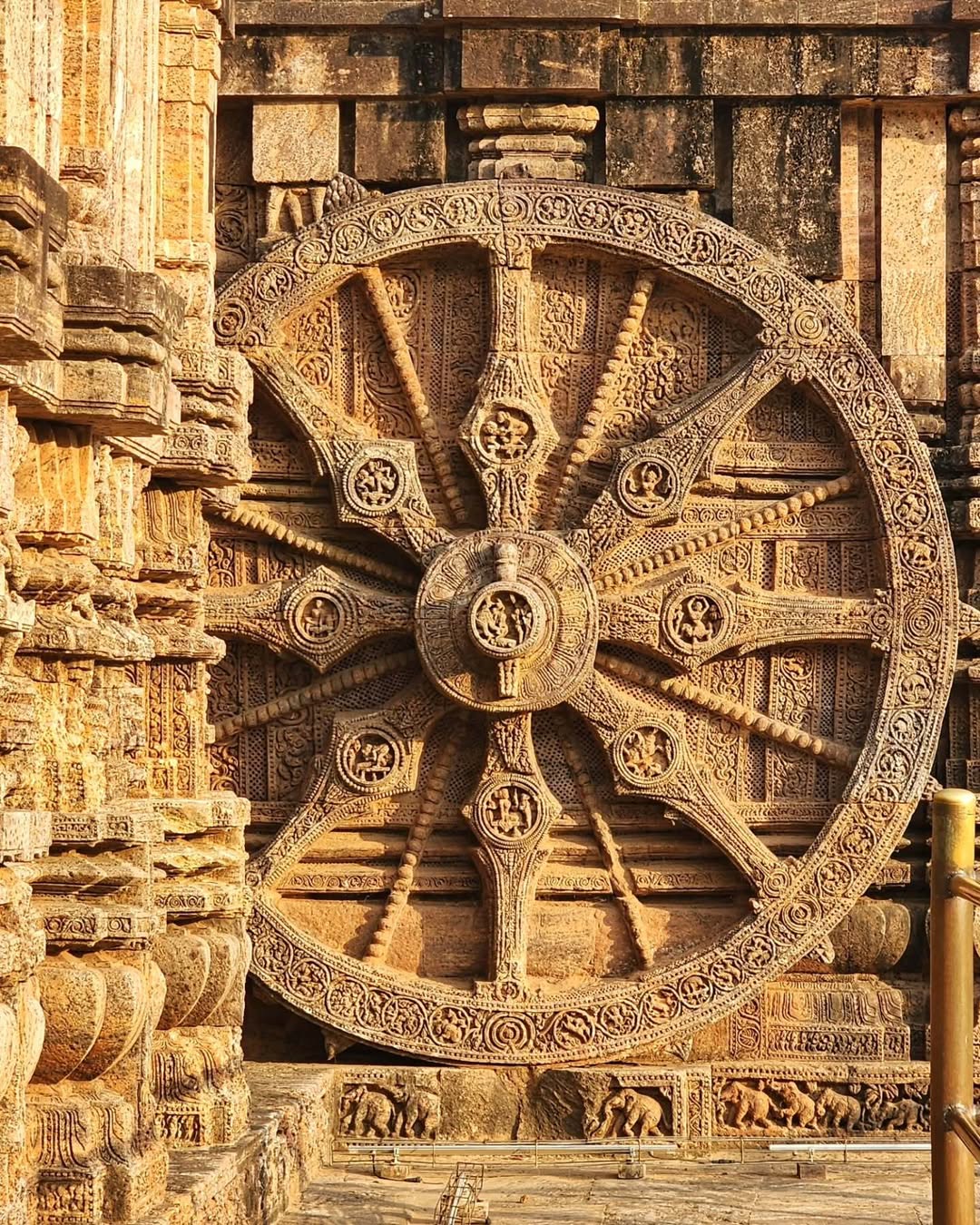
Konark (Puri District), Odisha
Konark Surya Mandir
Designed as a gargantuan celestial chariot pulled by seven horses, the Sun Temple of Konark is a 13th-century UNESCO World Heritage site and a pinnacle of human engineering. Built entirely without cement using interlocking stones and iron clamps, it is shrouded in mysteries—from its precise 24 sundial wheels to the legendary 52-ton magnet that once made its main idol levitate in mid-air within its now-collapsed 200-foot tower.
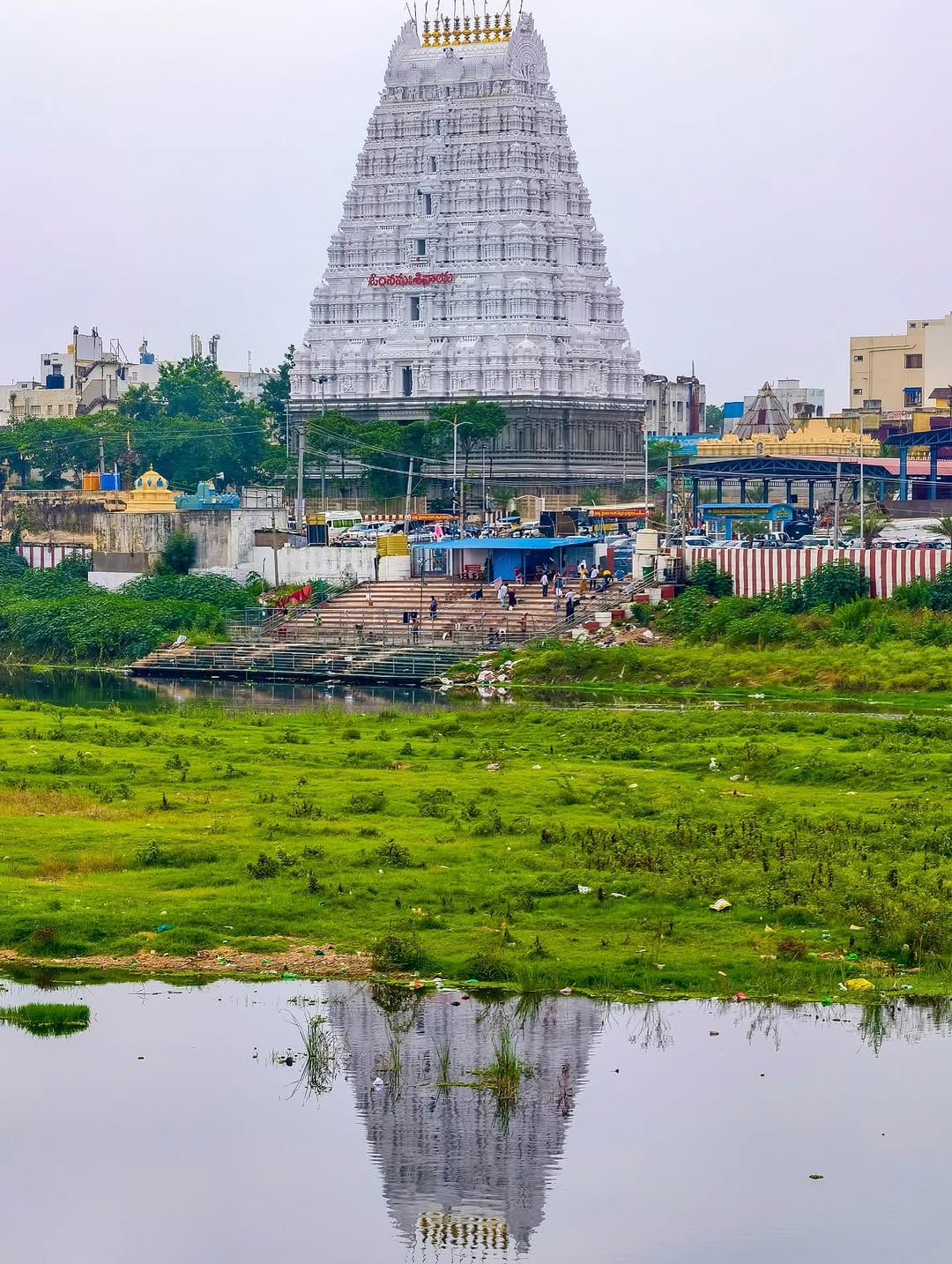
Srikalahasti (Tirupati District), Andhra Pradesh
Sri Kalahasteeswara Temple
Known as the 'Kailash of the South', Srikalahasti is a deeply mystical temple housing the Vayu Lingam (the elemental manifestation of wind). It is world-renowned for its powerful Rahu-Ketu dosha nivarana poojas and the awe-inspiring, visceral devotion of the tribal hunter, Bhakta Kannappa.
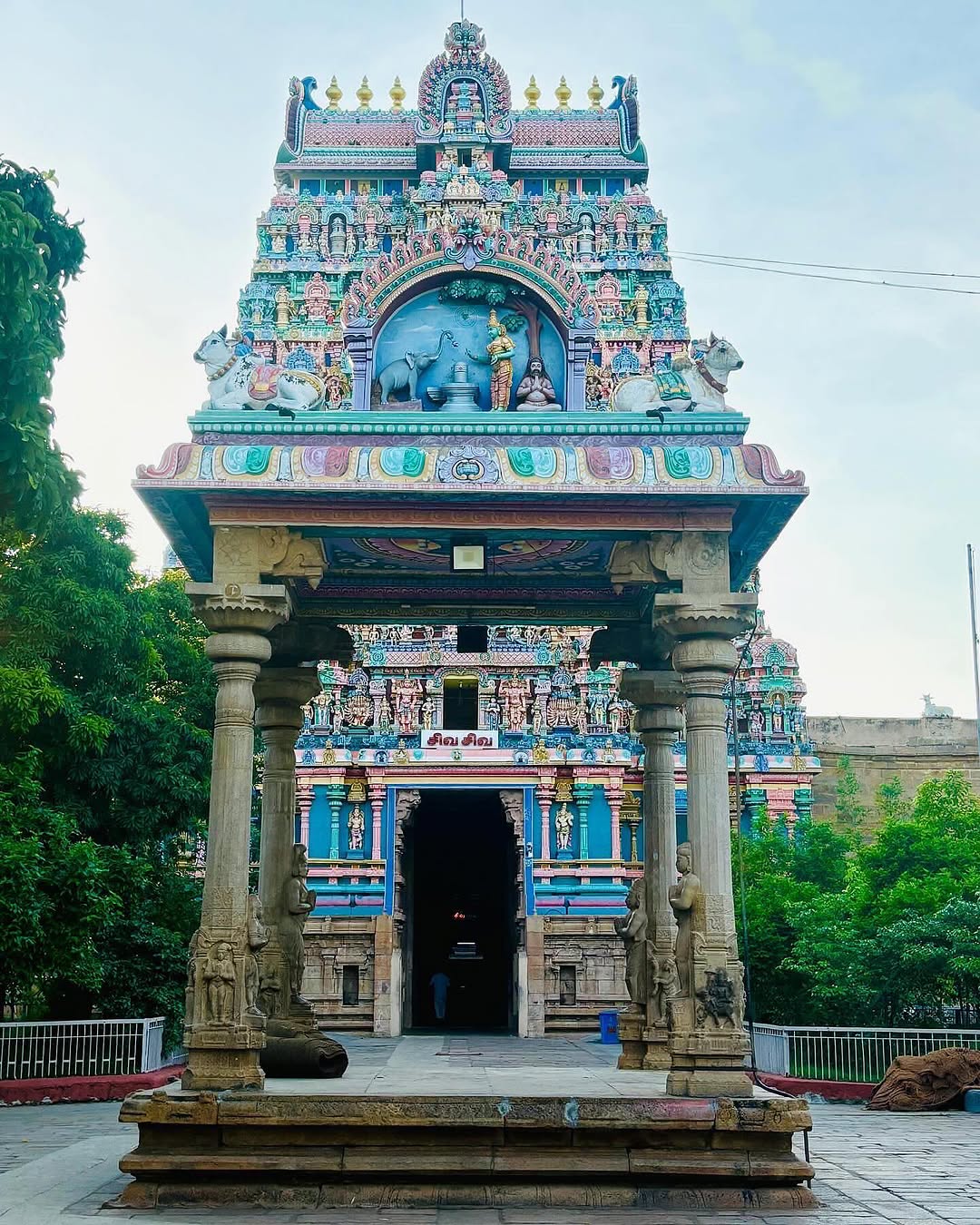
Thiruvanaikaval (Tiruchirappalli), Tamil Nadu
Jambukeswarar Akhilandeshwari Temple
Revered as the 'Appu Sthalam' (Water Element) of the Pancha Bhoota Stalas, this majestic 18-acre temple is a cosmic representation of water. It is world-famous for its sanctum where an underground spring eternally bathes the Shiva Lingam, and for the profoundly powerful Goddess Akhilandeshwari, the Ruler of the Universe.
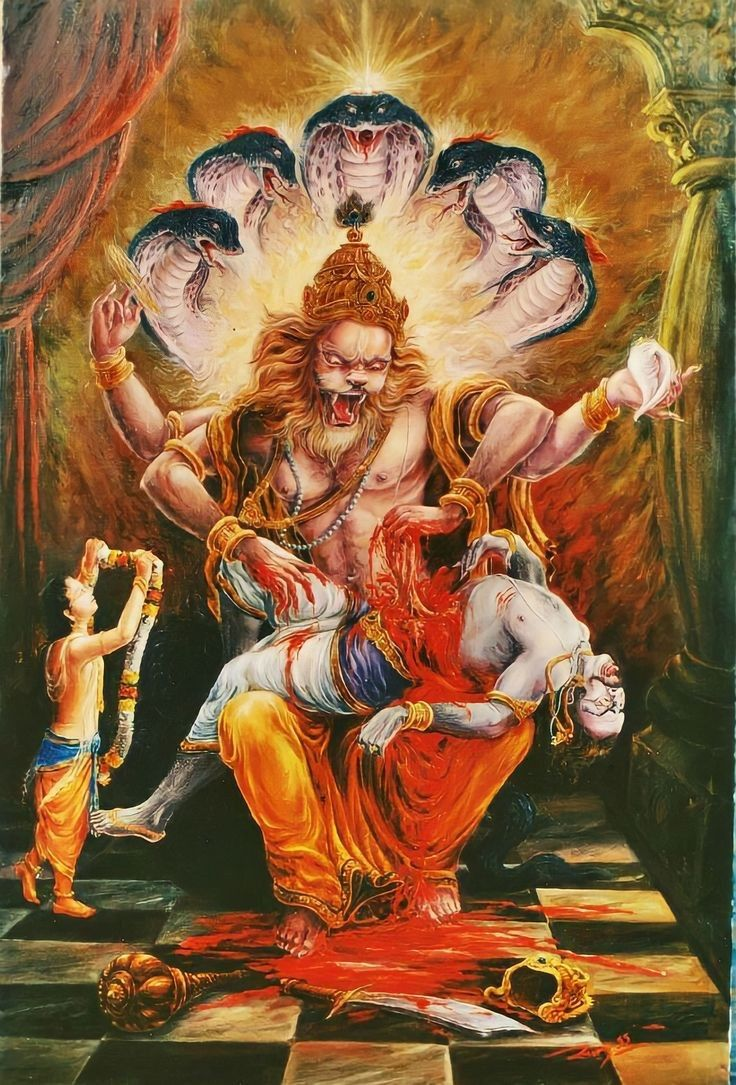
Ahobilam (Nandyal District), Andhra Pradesh
Ahobilam Nava Narasimha Kshetram
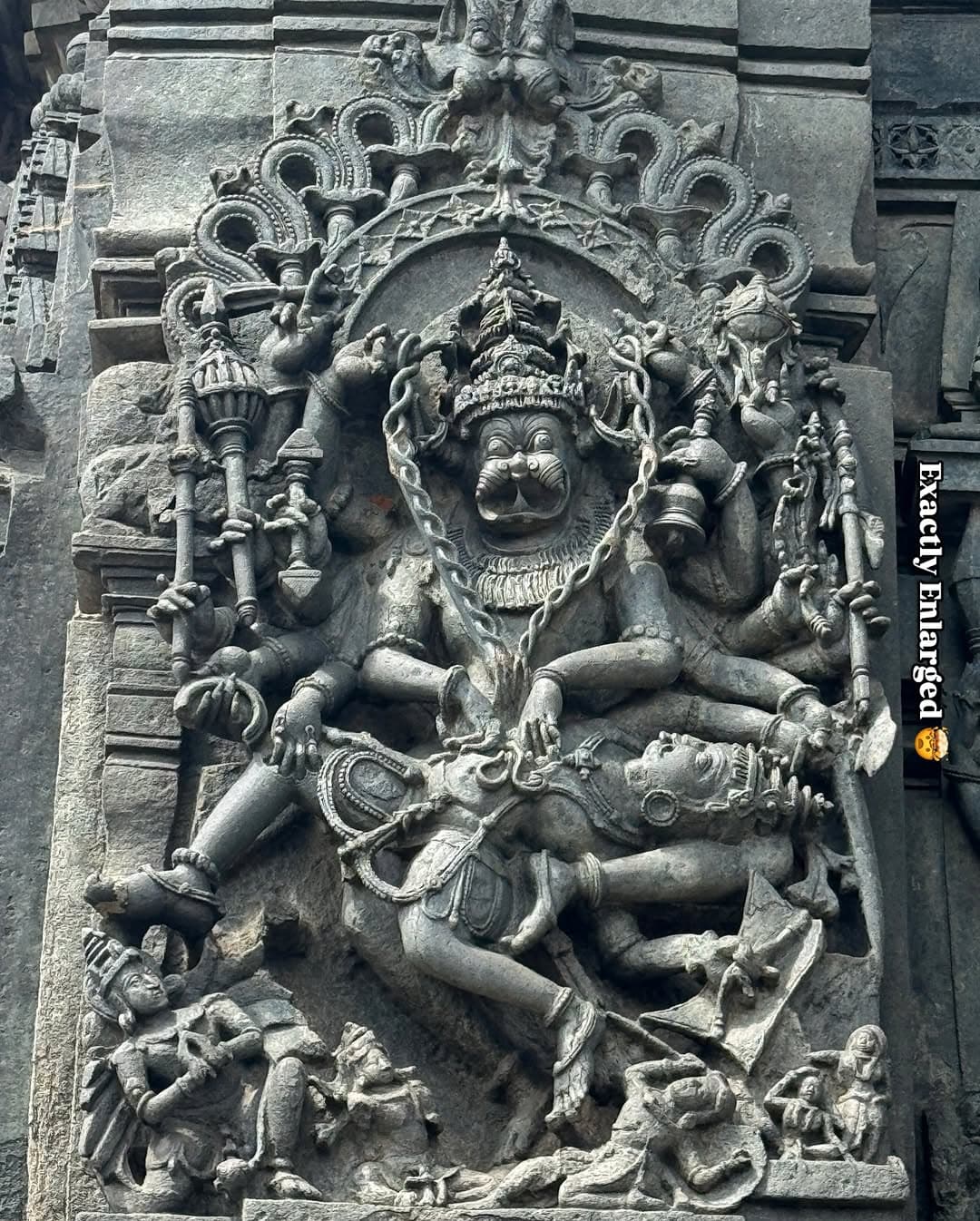
Nestled deep within the treacherous Nallamala Forest, Ahobilam is the exact legendary epicenter where Lord Vishnu took the terrifying half-lion, half-human form of Narasimha. Spanning rugged mountains, steep gorges, and dark caves, it houses nine distinct shrines (Nava Narasimha), making it one of the most rugged and spiritually electrifying pilgrimages in India.
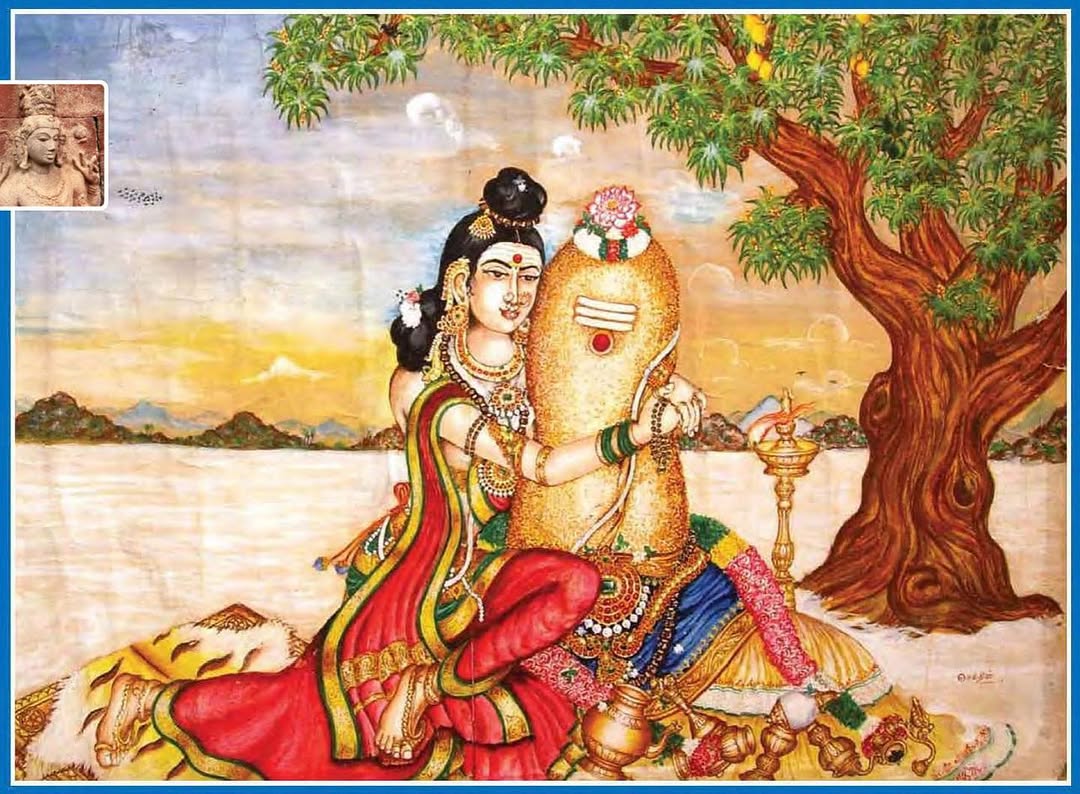
Kanchipuram, Tamil Nadu
Sri Ekambareswarar Temple
Covering a massive 23 acres in the sacred city of Kanchipuram, this spectacular temple represents the Earth Element (Prithvi) of the Pancha Bhoota Stalas. It is home to one of the most romantic and profoundly emotional legends in Hindu lore—the story of Goddess Parvati desperately embracing a fragile sand Lingam to protect it from a raging flood.
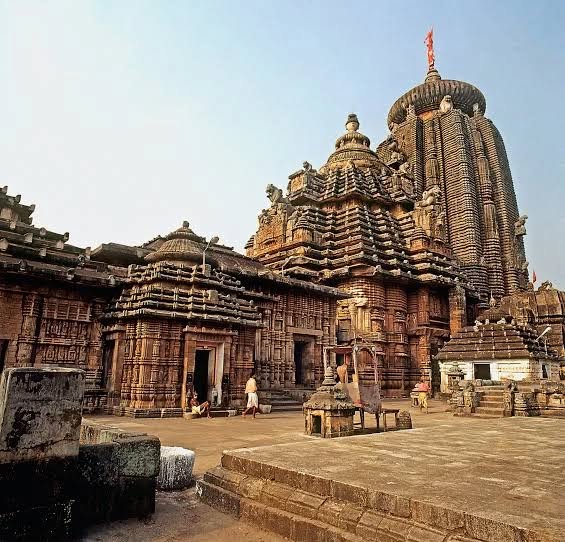
Bhubaneswar, Odisha
Sri Lingaraj Temple
Standing as the crowning glory of Bhubaneswar—the 'City of Temples'—Lingaraj is a breathtaking 11th-century architectural masterpiece. It is one of the rarest and most powerful temples in India because the Swayambhu (self-manifested) deity is worshipped not just as Lord Shiva, but as Harihara—the supreme, seamless merging of Shiva and Vishnu.
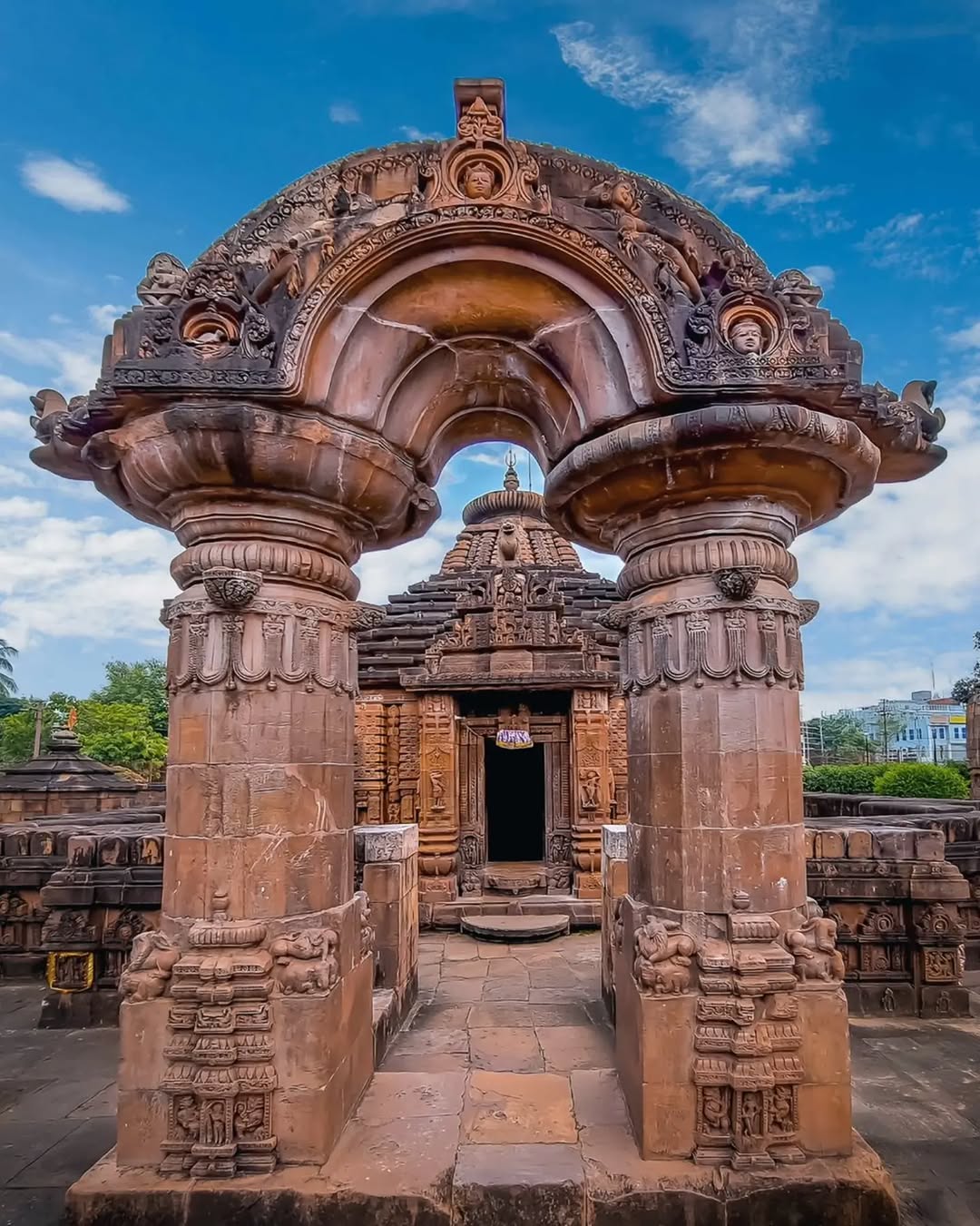
Bhubaneswar, Odisha
Sri Mukteswara–Siddheswara Temple Complex
Hailed universally as the 'Gem of Odisha Architecture', the Mukteswara temple is a breathtaking 10th-century masterpiece. Sitting in the same serene compound as the taller Siddheswara temple, it is world-renowned for its spectacular arched gateway (Torana) and a sacred well believed to grant children to barren women.
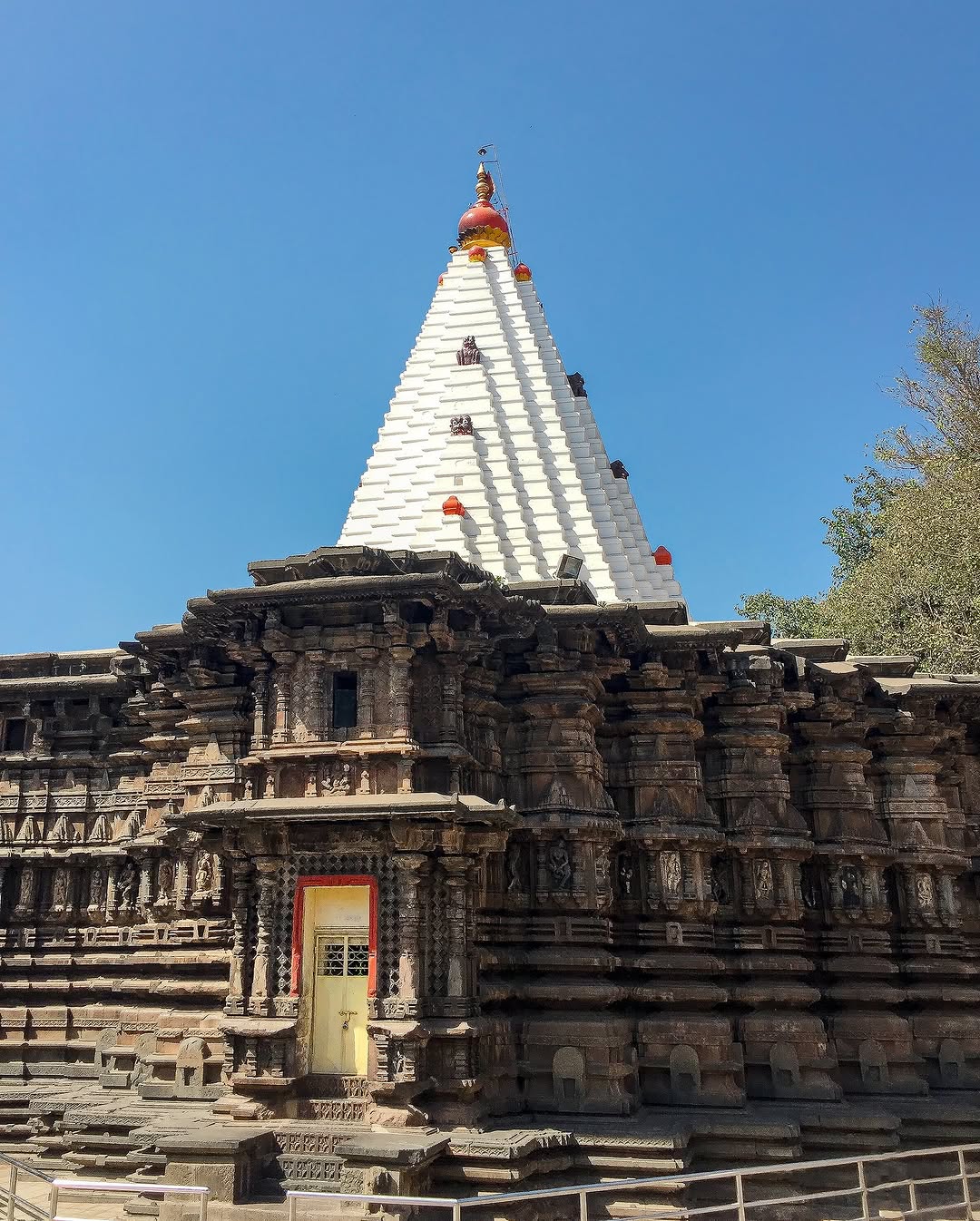
Kolhapur, Maharashtra
Shri Ambabai Mahalakshmi Temple
Revered as 'Dakshin Kashi', Kolhapur is the ultimate, independent spiritual seat of Goddess Lakshmi. As one of the 18 Maha Shakti Peethas, it is an architectural and astronomical marvel, globally famous for the 'Kiranotsav'—where the setting sun bows down to touch the feet of the Mother of the Universe.
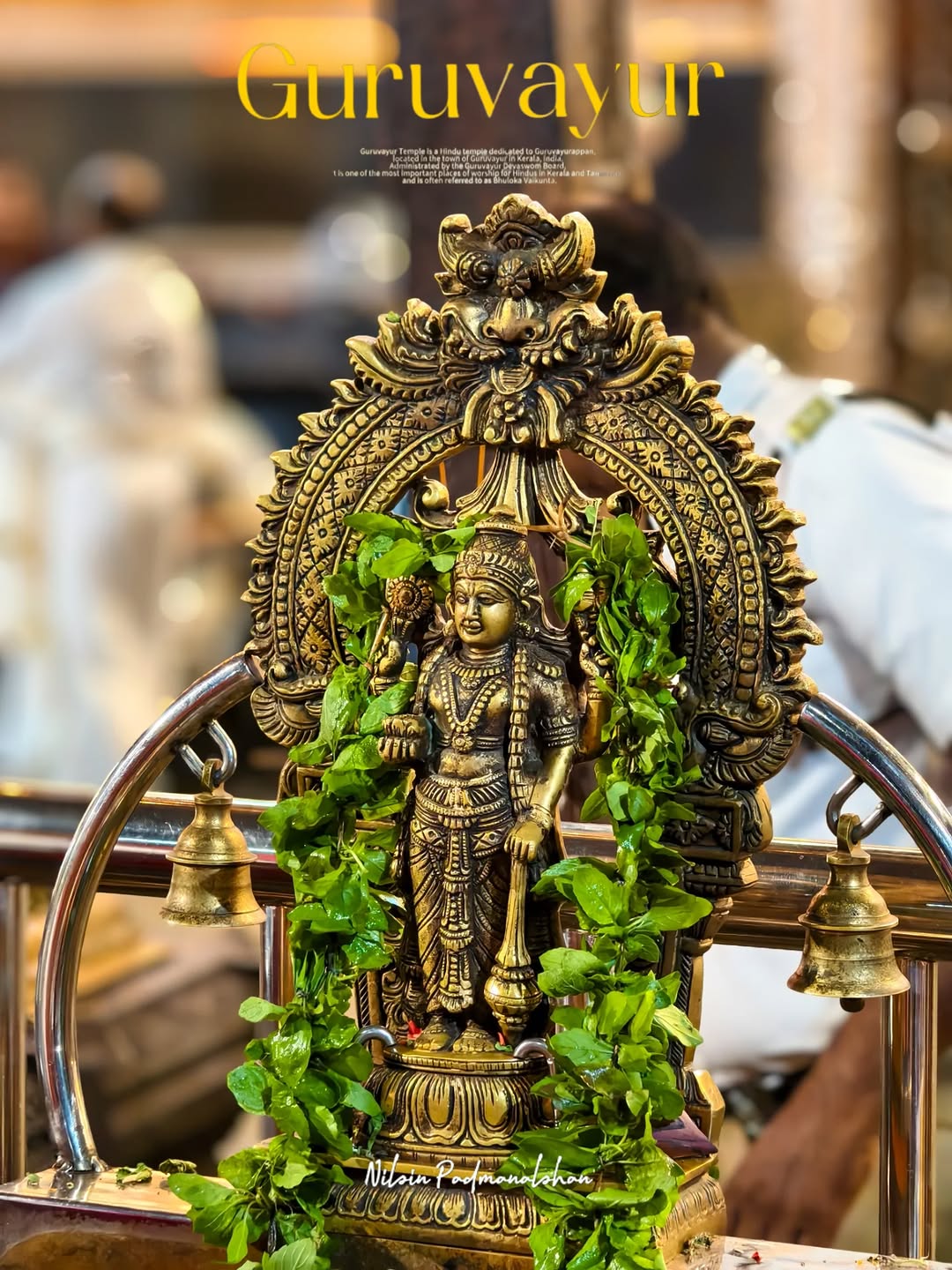
Guruvayur (Thrissur District), Kerala
Guruvayur Sri Krishna Temple
Revered globally as 'Bhuloka Vaikuntham' (Heaven on Earth), Guruvayur is the spiritual heart of Kerala. It houses a mesmerizing, 4-armed idol of Lord Vishnu, but He is universally worshipped here with the intense maternal love reserved for a playful baby—Unnikrishnan. It is a supreme center of healing, devotion, and monumental elephant culture.

Ngari Prefecture (Transhimalaya), Tibet Autonomous Region, China
Mount Kailash (Kailasa Parvat)
Standing at 6,638 m (21,778 feet) in the remote, freezing expanse of the Tibetan Himalayas, Mount Kailash is not merely a mountain; it is the ultimate spiritual epicenter of the universe. Revered by billions across four major religions, this massive, unclimbed pyramid of black rock is the eternal, physical abode of Lord Shiva and Goddess Parvati. Known as the 'Snow Jewel Mountain,' it is a place of absolute, terrifying cosmic stillness and serves as the primary peak of the sacred Pancha Kailash.
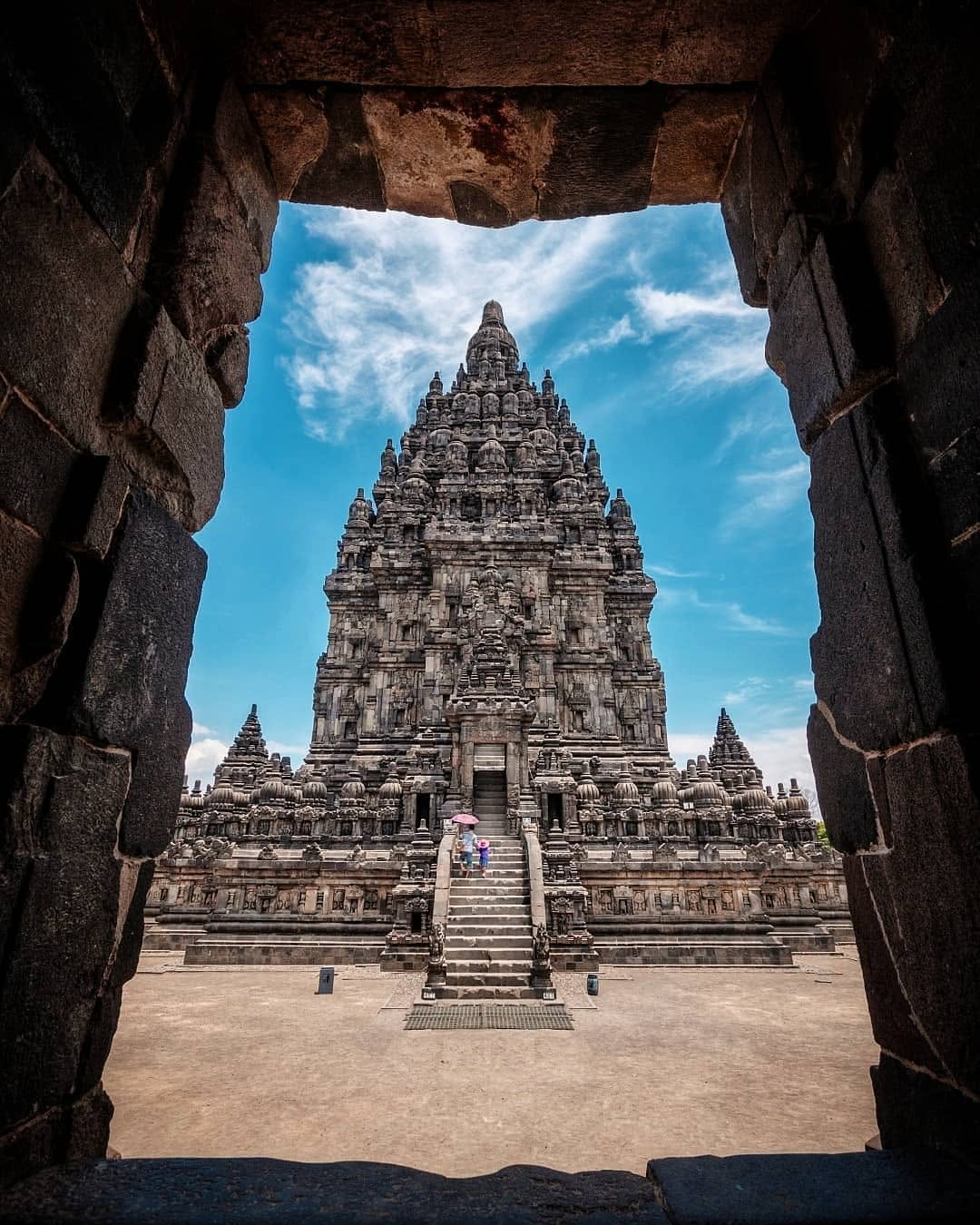
Bokoharjo, Sleman Regency, Special Region of Yogyakarta, Indonesia
Prambanan Temple (Candi Prambanan)
Soaring 47 meters into the sky, Prambanan is a masterpiece of 9th-century Hindu architecture and the largest Hindu temple site in Indonesia. Characterized by its tall, pointed spires, the complex is a magnificent, symmetrical tribute to the Trimurti—the expression of God as the Creator (Brahma), the Preserver (Vishnu), and the Destroyer (Shiva).
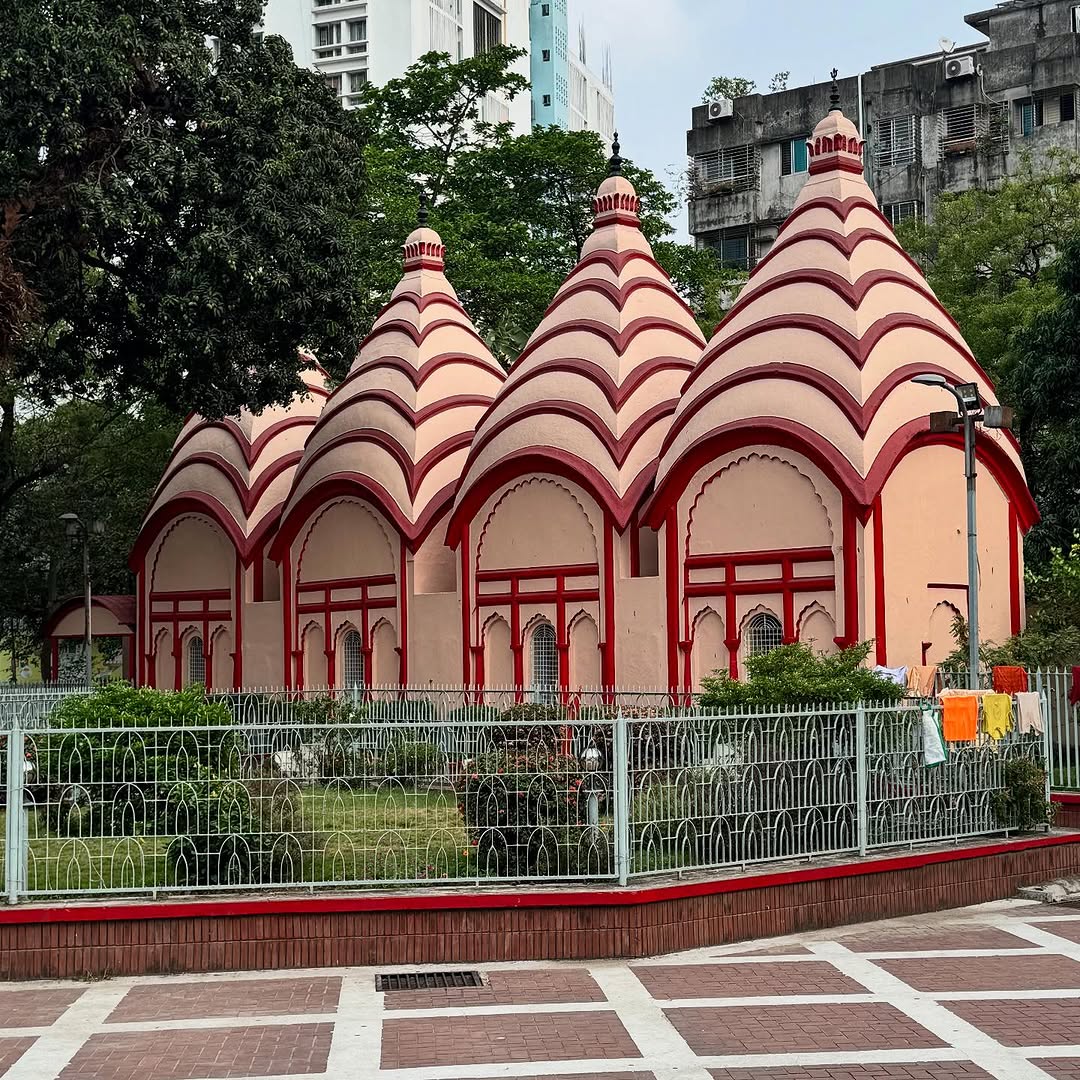
Dhaka, Dhaka Division, Bangladesh
Dhakeshwari Temple (Dhakeshwari Jatiya Mandir)
Located in the heart of the capital, the Dhakeshwari Jatiya Mandir is the most important and prominent Hindu place of worship in Bangladesh. The name 'Dhakeshwari' literally translates to 'Goddess of Dhaka,' and it is widely believed that the city itself was named after this powerful presiding deity.
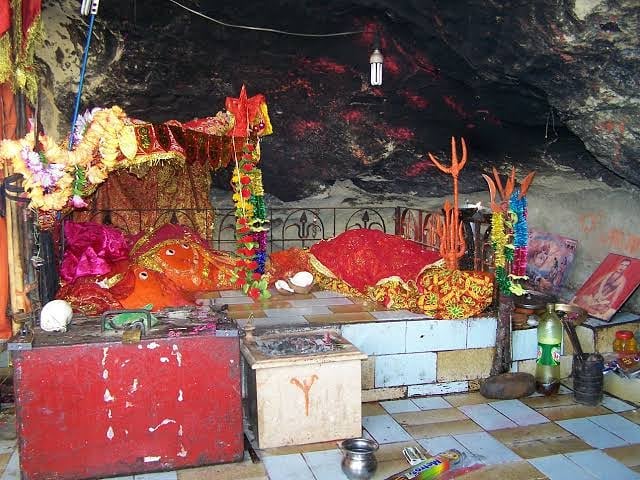
Hingol National Park, Lasbela District, Balochistan, Pakistan
Hinglaj Mata Mandir
Hidden within a mountain cave in the remote, rugged, and breathtakingly arid Hingol National Park along the Makran coast, Hinglaj Mata Mandir is one of the most powerful and ancient Shakti Peethas in the world. Despite being located deep in an Islamic republic, it draws tens of thousands of Hindu pilgrims annually and stands as a profound symbol of primal spirituality and interfaith harmony.
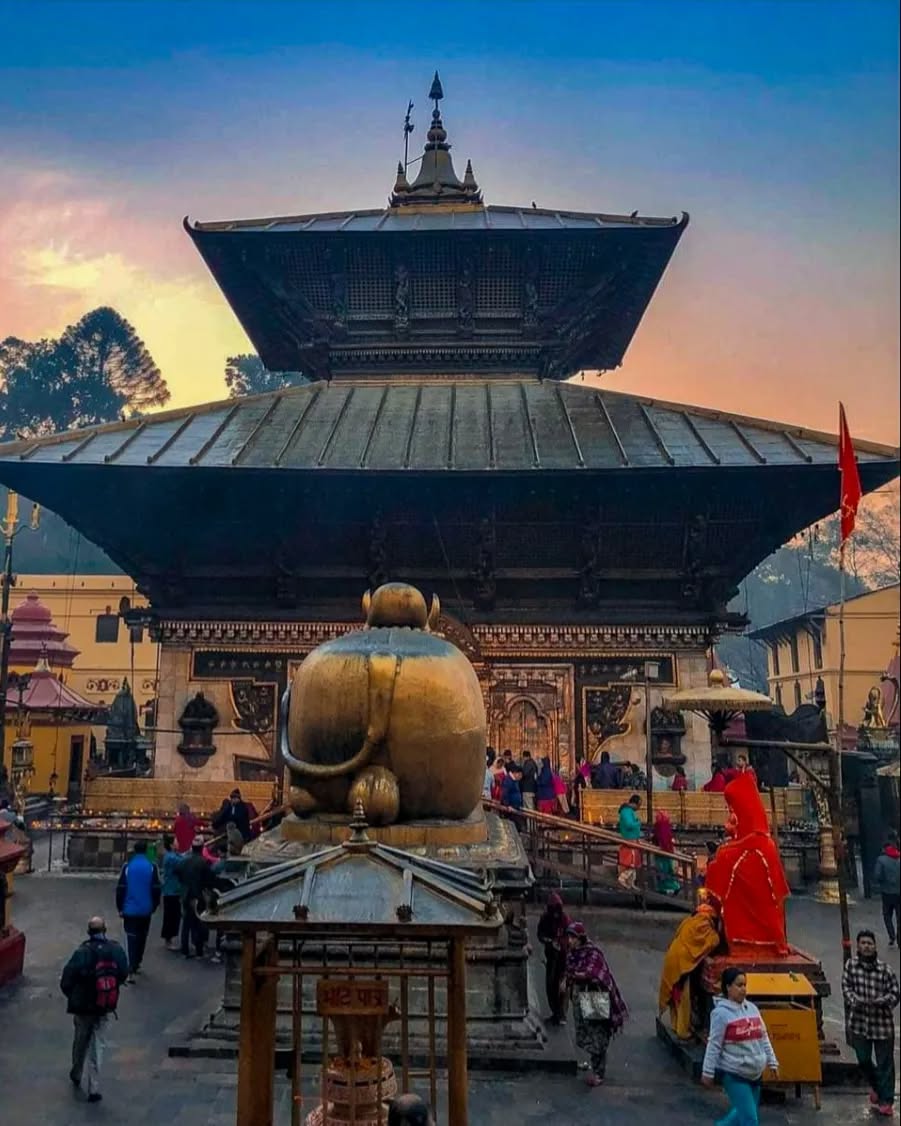
Kathmandu, Bagmati Province, Nepal
Pashupatinath Temple
Situated on both banks of the sacred Bagmati River on the eastern outskirts of Kathmandu, Pashupatinath is one of the holiest, oldest, and most prominent Shiva temples in the world. It is the seat of Nepal's national deity and represents an intense, raw convergence of life, death, and liberation, where continuous cremation pyres burn just outside the sanctuary of the eternal Lord.
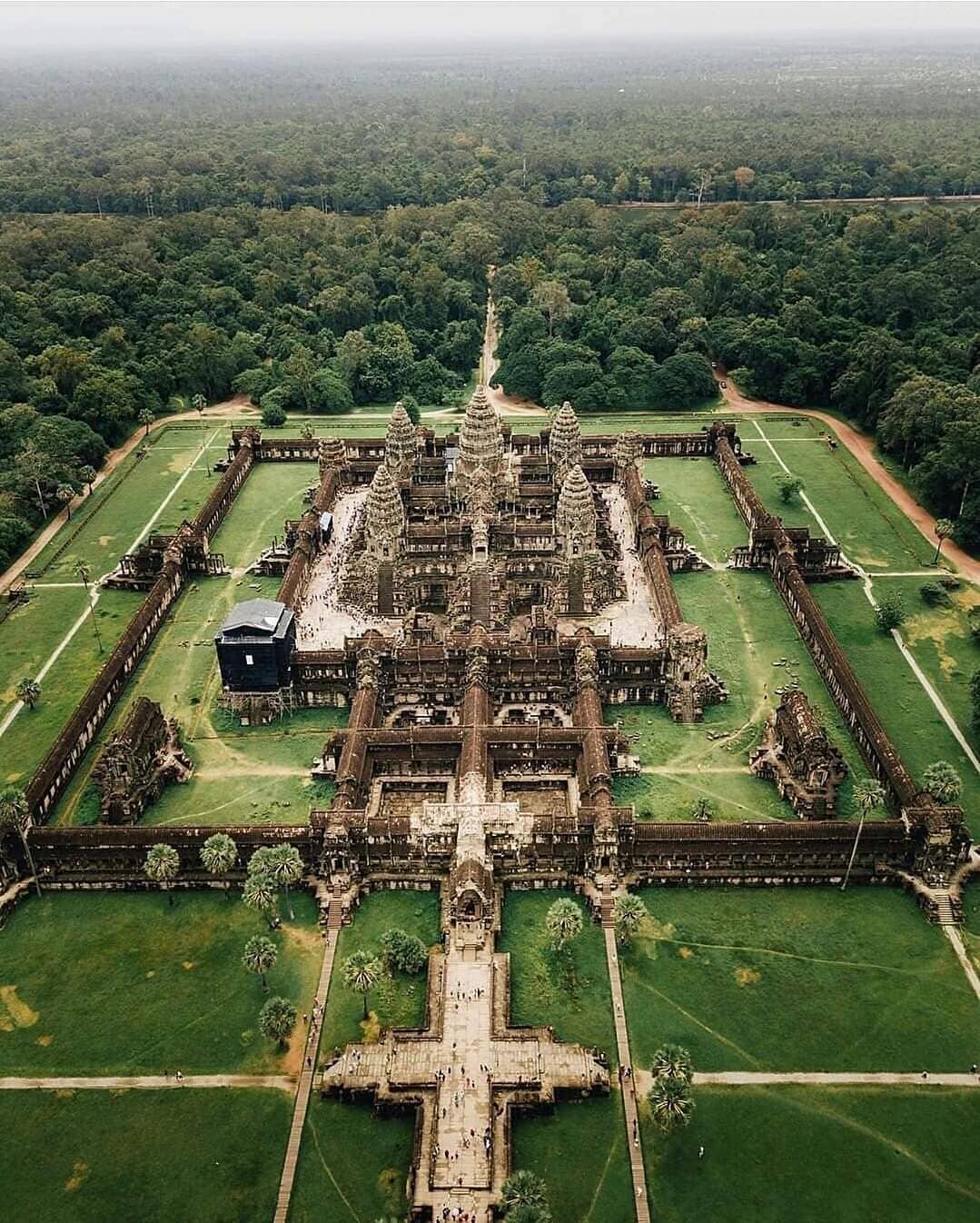
Siem Reap, Siem Reap Province, Cambodia
Angkor Wat
Angkor Wat is the ultimate architectural expression of the Khmer Empire and the largest religious monument on Earth. Originally dedicated to Lord Vishnu and later transformed into a Buddhist sanctuary, it is a literal 'Heaven on Earth'—a massive stone representation of the Hindu cosmos, surrounded by a vast moat that mirrors the cosmic ocean.
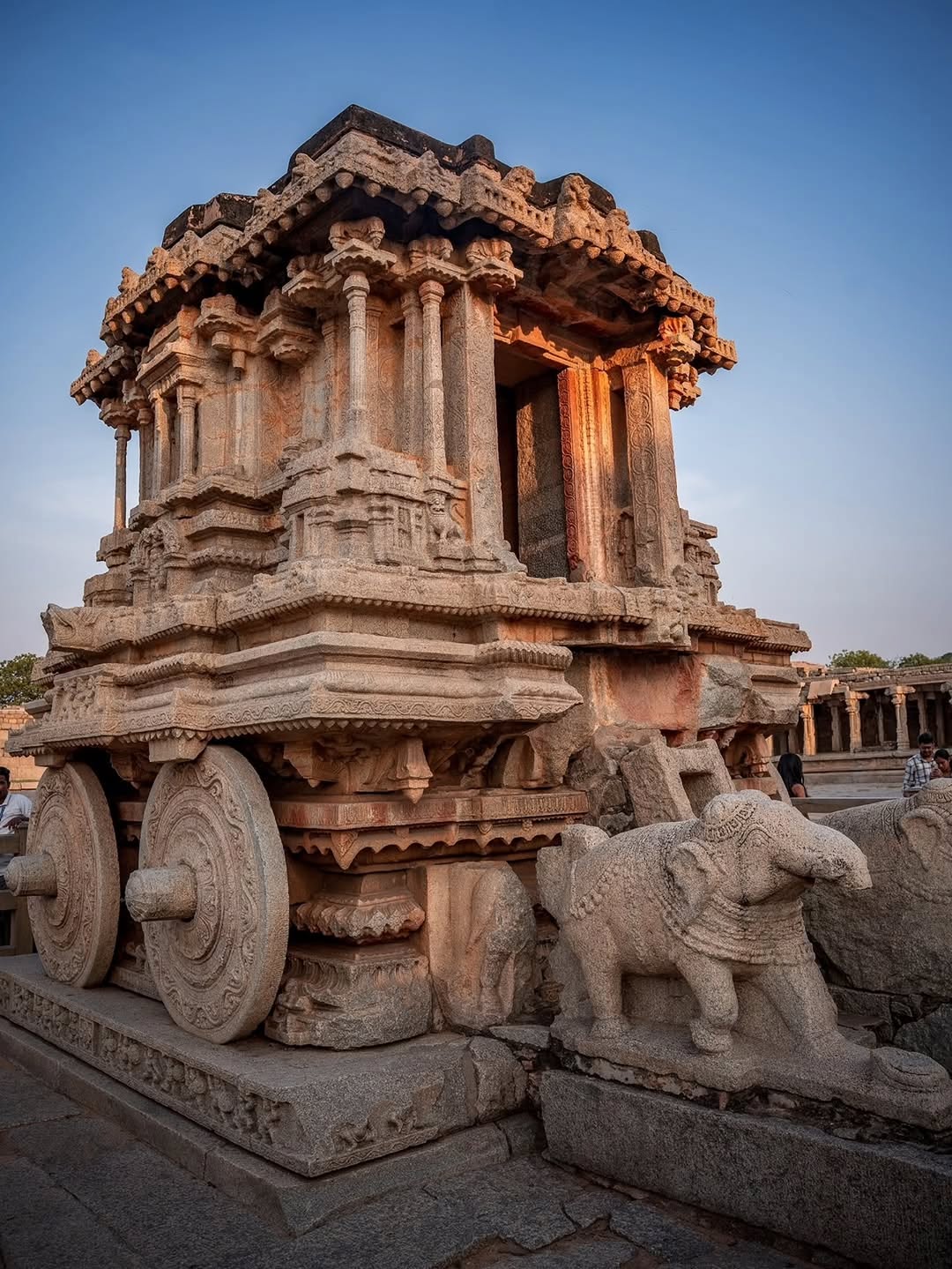
Hampi, Karnataka, India
Shree Vijaya Vitthala Temple
Located among the boulder-strewn ruins of Hampi, the Vijaya Vitthala Temple is the undisputed masterpiece of Vijayanagara architecture. It is not just a temple, but a sprawling complex of pavilions, halls, and shrines, most famous for its extraordinary iconic Stone Chariot and the mystical pillars that emit musical notes when struck.
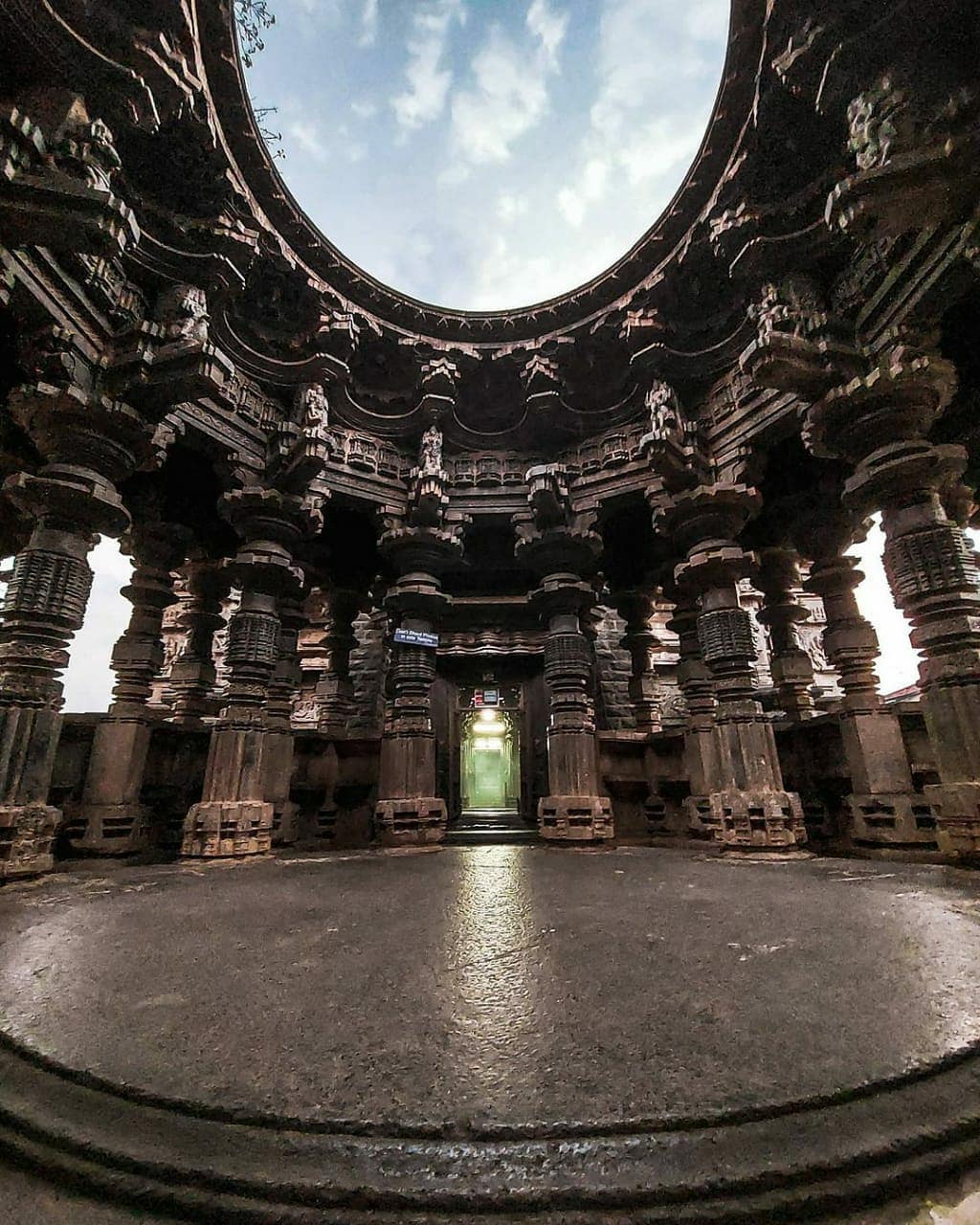
Khidrapur, Kolhapur District, Maharashtra, India
Kopeshwar Temple
Nestled on the banks of the Krishna River at the border of Maharashtra and Karnataka, the Kopeshwar Temple is a breathtaking 12th-century architectural marvel. Famous for its mesmerizing open-to-sky 'Swarga Mandap' and the striking absence of Lord Shiva's trusted mount, Nandi, the temple is an exquisite blend of profound mythology and unparalleled stone craftsmanship.
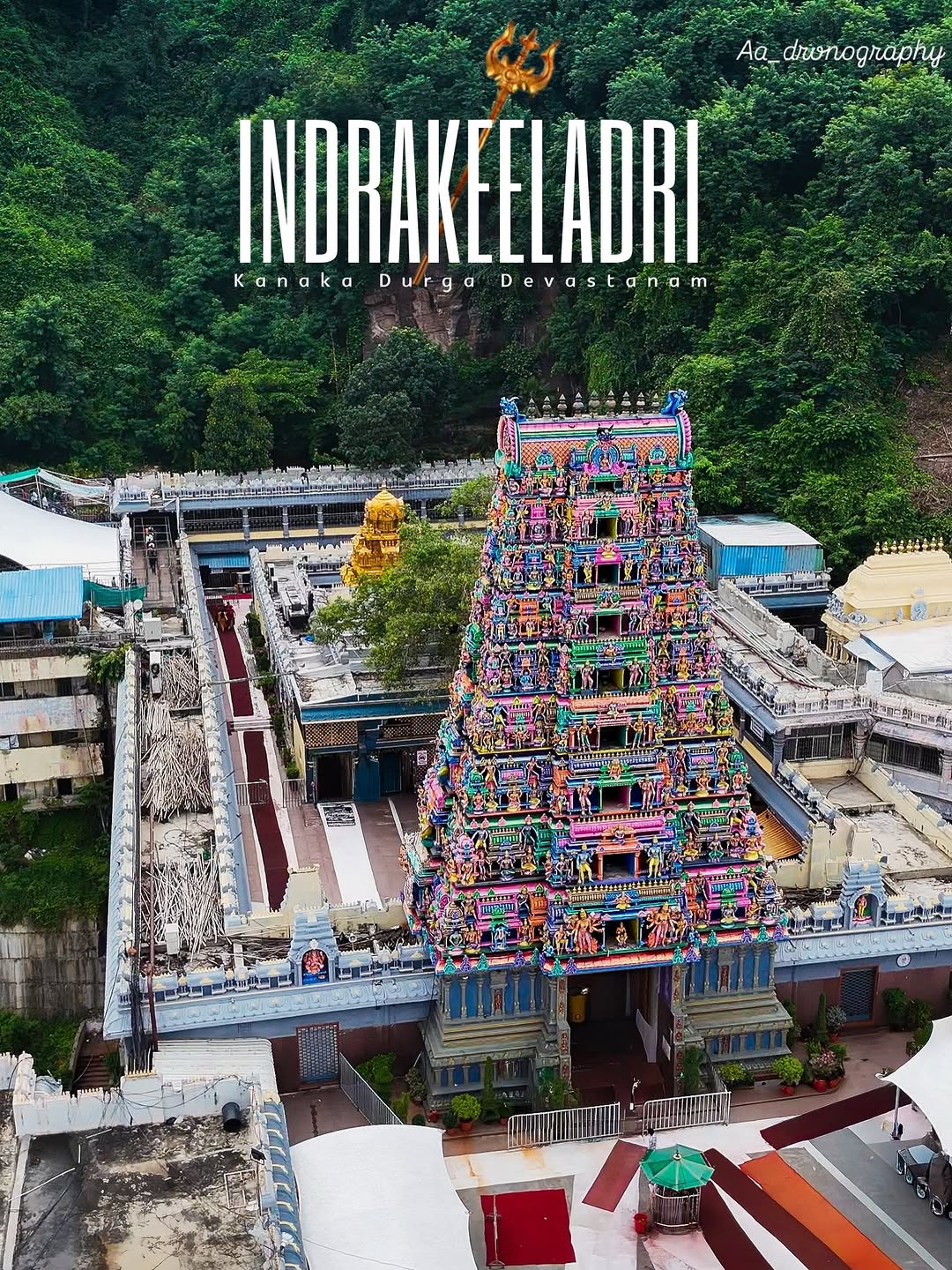
Vijayawada, Andhra Pradesh, India
Kanaka Durga Temple
Perched majestically atop the Indrakeeladri hill overlooking the sacred Krishna River, the Kanaka Durga Temple is the spiritual heart of Vijayawada. The 4-foot idol of the Goddess is revered as Swayambhu (self-manifested) and is worshipped in her eight-armed Mahishasuramardini form. Although not officially listed in the 18 Maha Shakti Peethas regarding Sati's fallen body parts, it is universally revered as a highly powerful Shakti Peeth due to its intense divine feminine energy. Local myths also suggest a deep, undiscovered cave exists beneath the current temple structure, containing a more ancient form of the goddess.
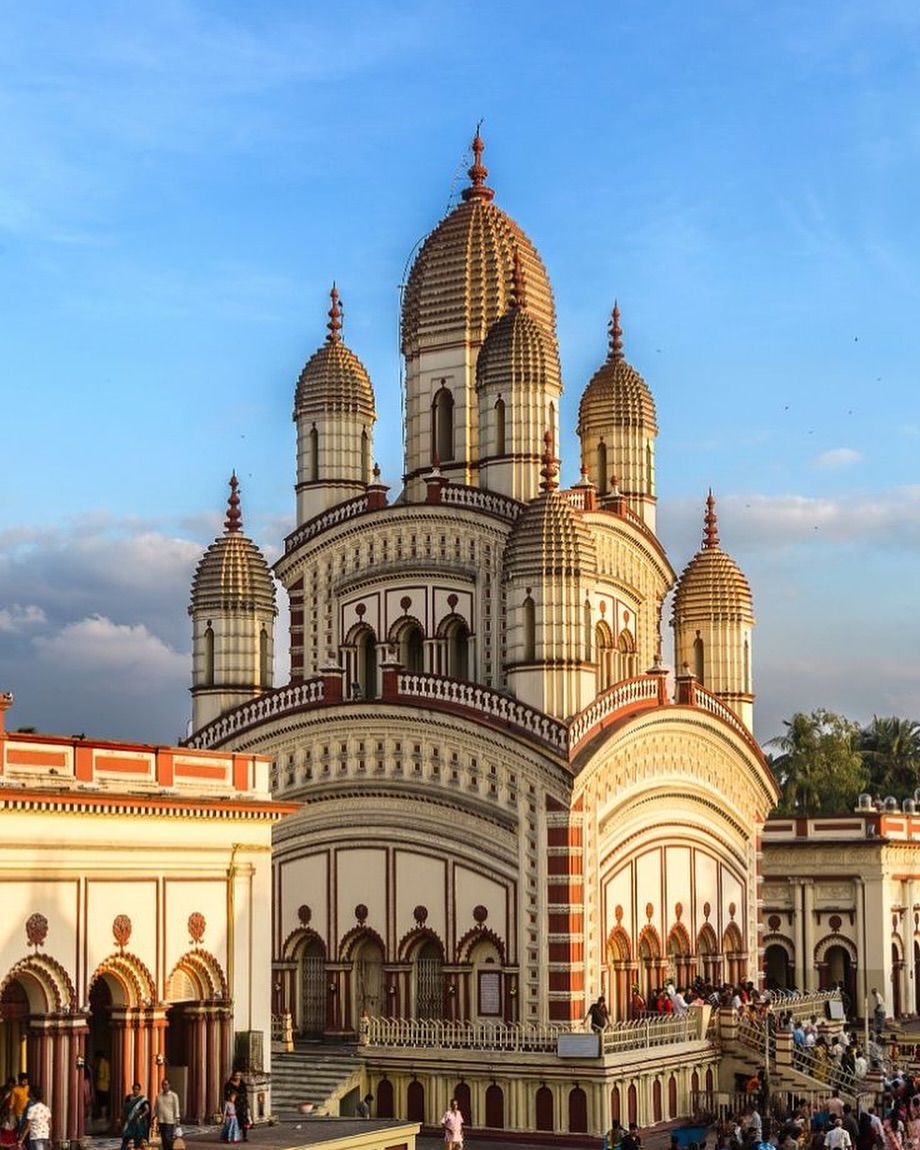
Dakshineswar, Kolkata, West Bengal, India
Dakshineswar Kali Mandir
Situated on the eastern bank of the Hooghly River, Dakshineswar Kali Mandir is a magnificent 19th-century temple complex. It is a symbol of spiritual liberation and was the site where Sri Ramakrishna experienced profound divine visions, making it a cornerstone of modern Indian spiritual history.
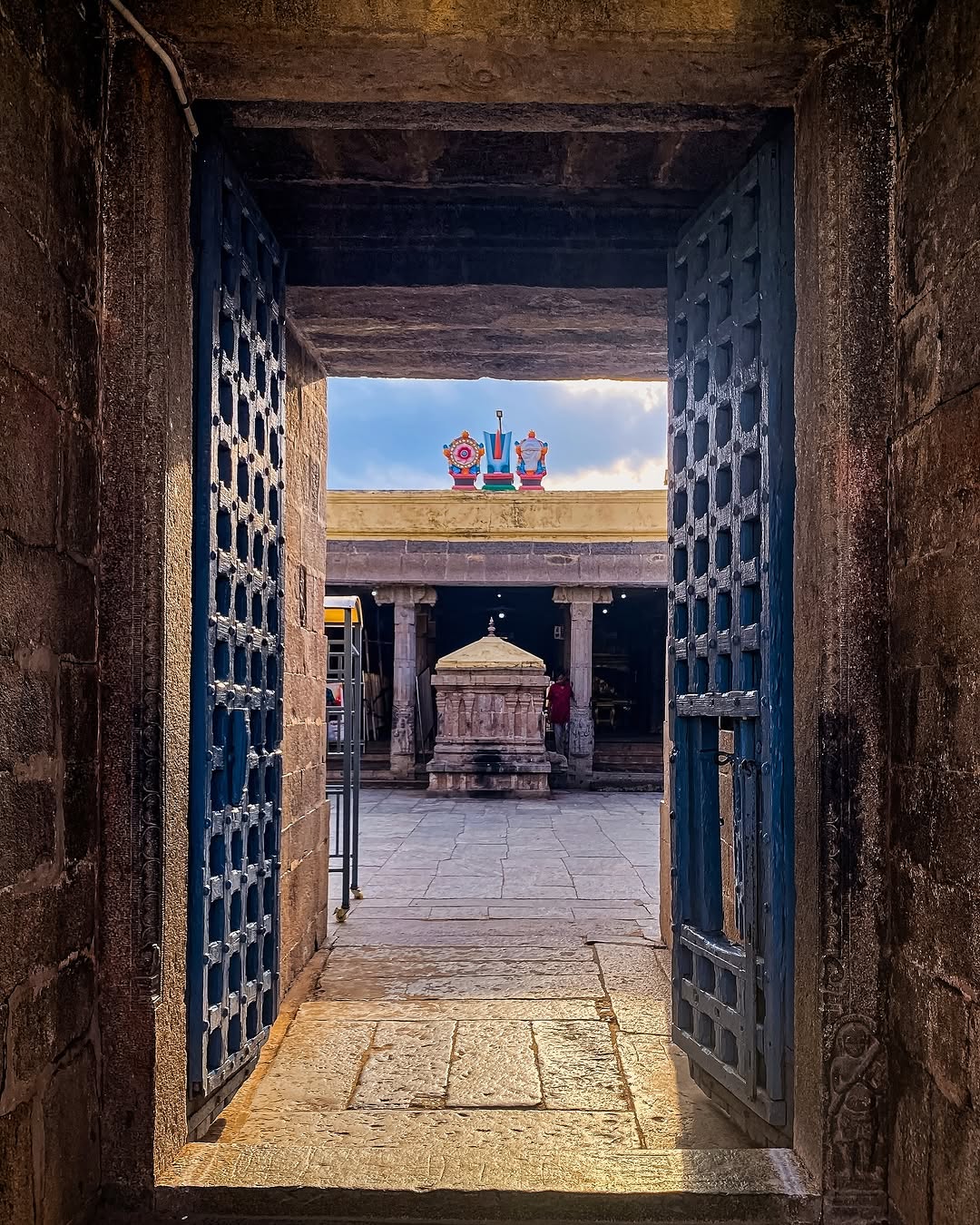
Thiruvidandhai (Near Chennai), Tamil Nadu, India
Nithya Kalyana Perumal Temple
Located on the scenic East Coast Road (ECR) near the shores of the Bay of Bengal, the Nithya Kalyana Perumal Temple is a magnificent 7th-century shrine dedicated to Lord Vishnu in his Varaha (boar) avatar. Celebrated as the 62nd of the 108 Divya Desams, it is universally renowned as a powerful 'Parihara Sthalam' for removing obstacles related to marriage.
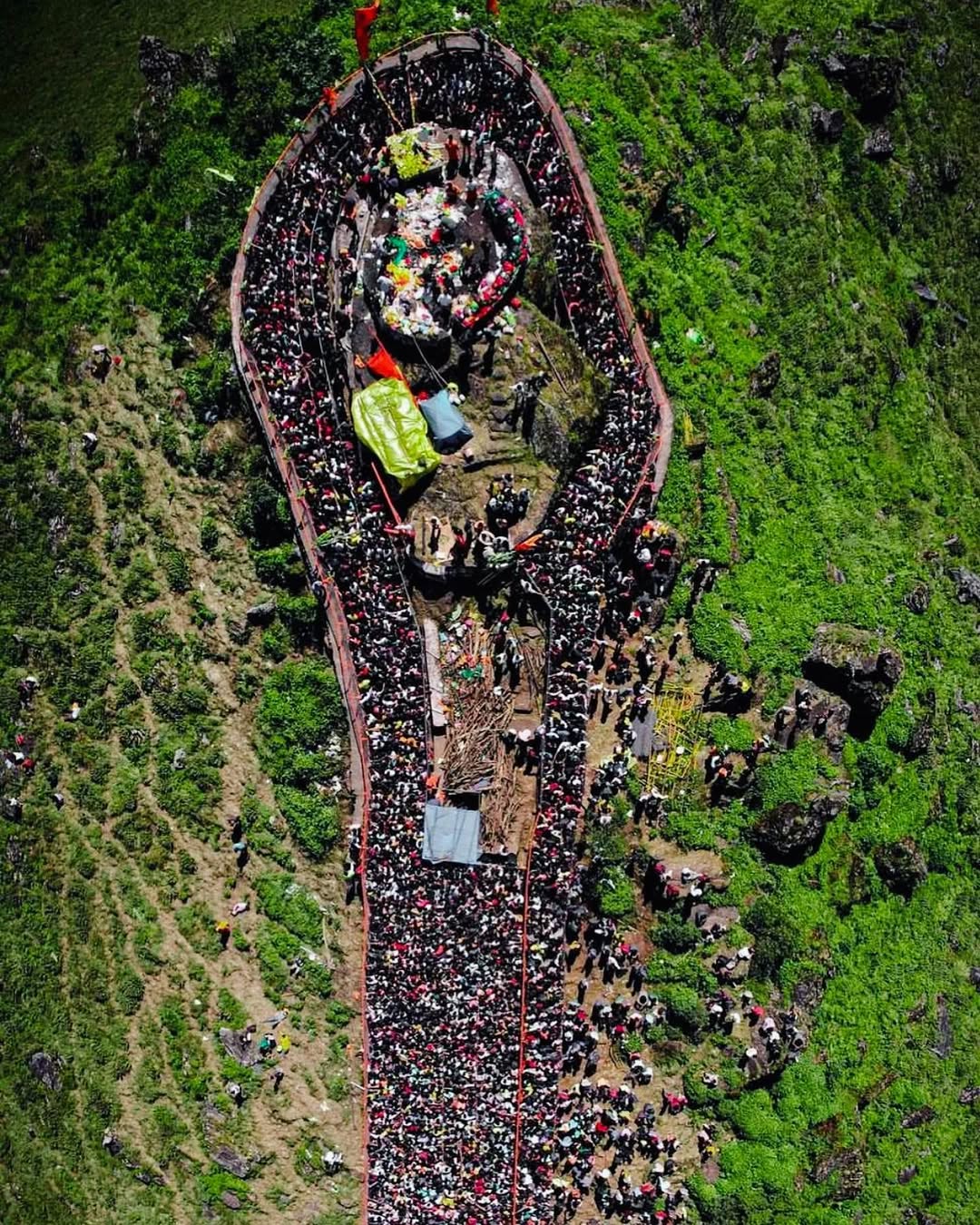
Bindiga (Near Chikkamagaluru), Karnataka, India
Deviramma Betta Temple
Perched atop a remarkably steep, wind-swept peak in the Baba Budangiri range of the Western Ghats, the Deviramma Betta Temple is one of Karnataka's most unique pilgrimage sites. What makes this shrine extraordinary is that the hilltop sanctum is open to devotees for only one single day out of the entire year.
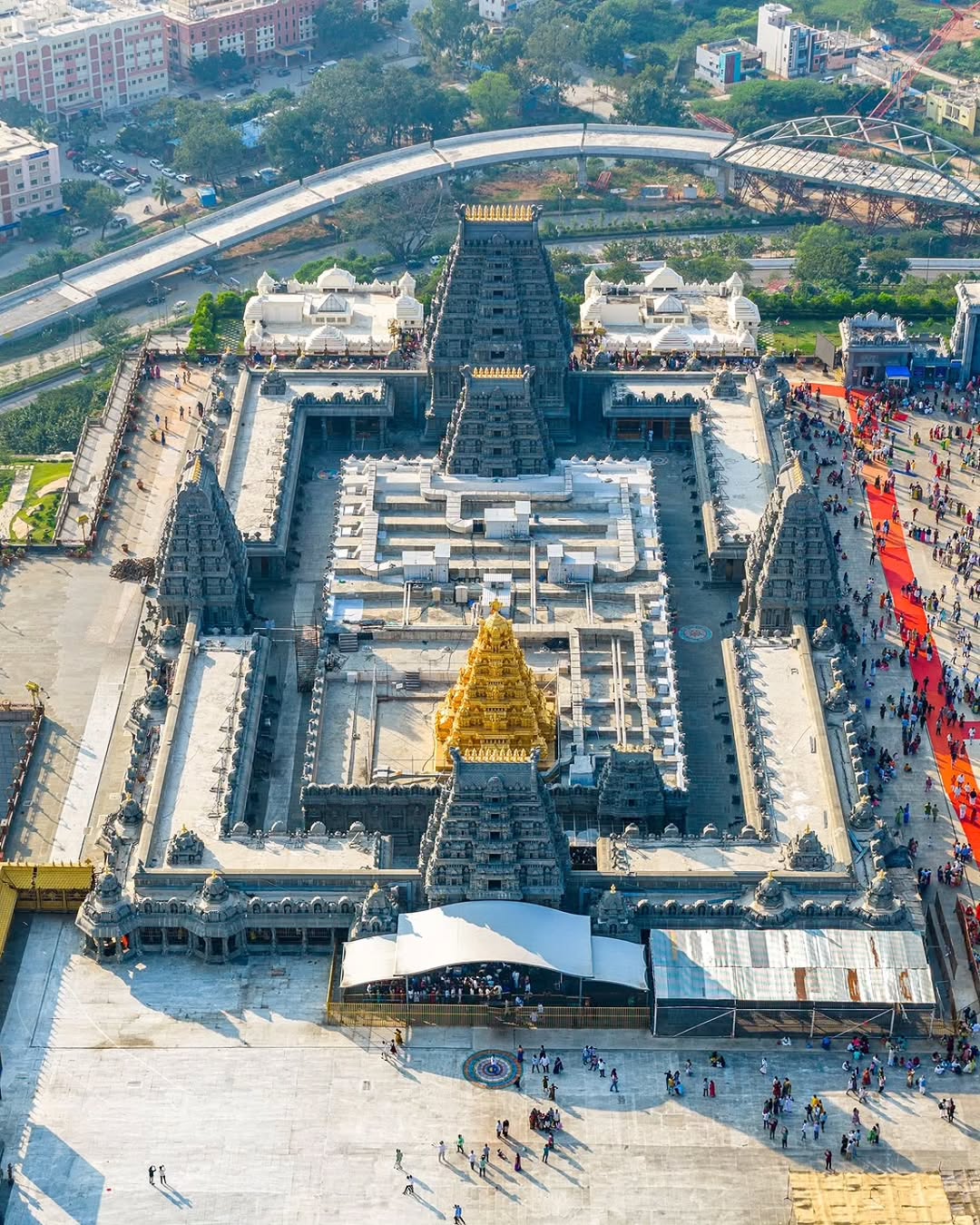
Yadagirigutta, Yadadri Bhuvanagiri District, Telangana, India
Sri Lakshmi Narasimha Swamy Temple, Yadadri
Perched majestically on a hillock, the Yadadri Temple is a breathtaking fusion of ancient, raw cave sanctity and monumental modern revival. Often envisioned as 'Telangana's Tirupati', it houses the self-manifested (Swayambhu) idols of Lord Narasimha in five distinct, powerful forms within a natural, uncarved cave.
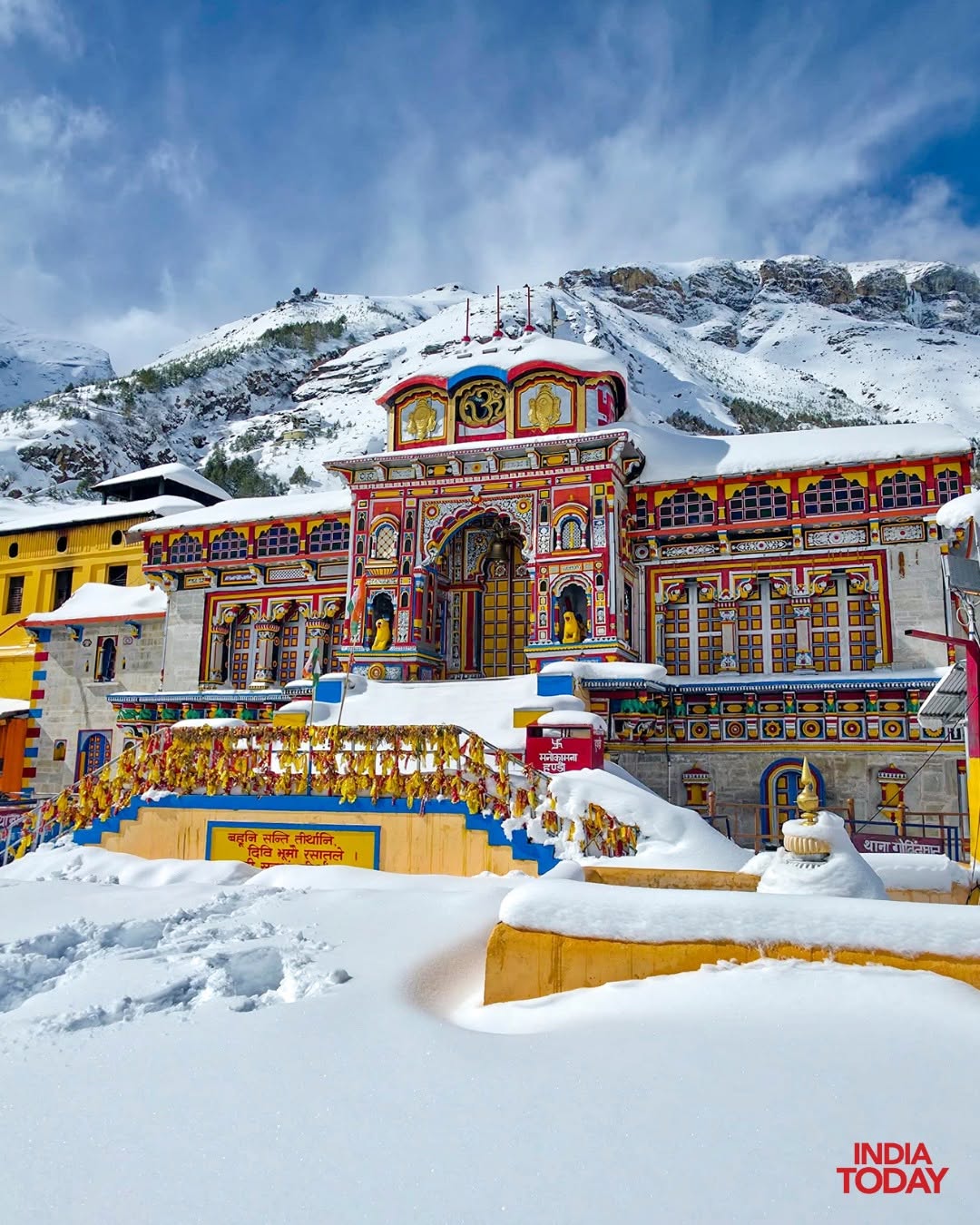
Badrinath, Uttarakhand, India
Badrinath Temple (Badrinarayan Temple)
Nestled in the lap of the Himalayas between the Nar and Narayana mountain ranges, Badrinath is the most revered of the four sites in India's Char Dham pilgrimage. The temple is dedicated to Lord Vishnu, who is depicted here in a rare meditative posture (Padmasana), representing a state of absolute self-realization and eternal peace amidst the freezing heights of the Alaknanda valley.
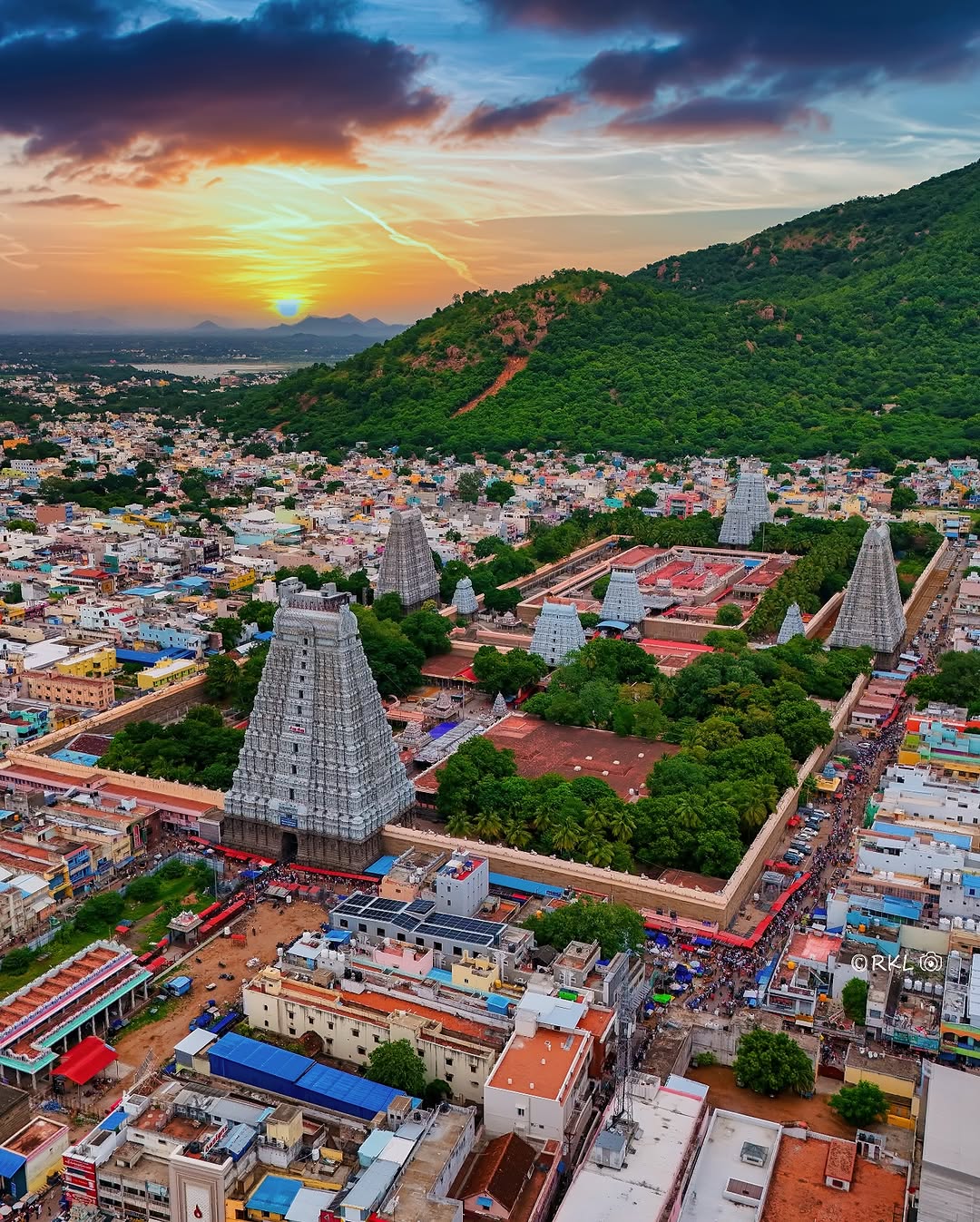
Tiruvannamalai, Tamil Nadu, India
Arunachaleswarar Temple (Annamalaiyar Temple)
Located at the base of the sacred Arunachala hill, the Arunachaleswarar Temple is one of the largest and most magnificent temple complexes in India. It is a cornerstone of Shaivite spirituality, representing 'Agni' (Fire) in the Pancha Bhoota Stalam (five elemental temples), where the mountain itself is revered as a colossal, self-manifested Shiva Lingam.
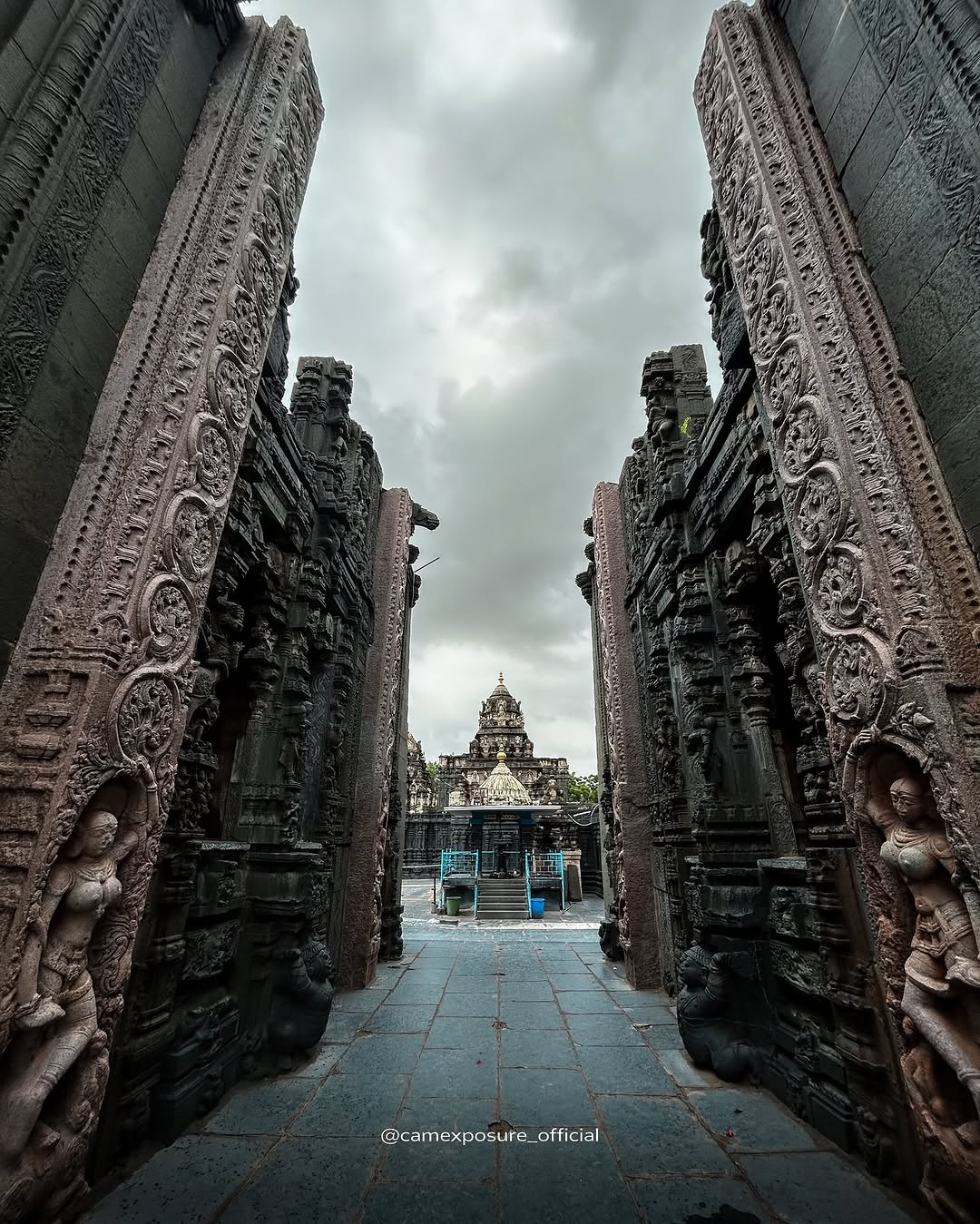
Palampet, Mulugu District, Telangana, India
Ramalingeshwara Swamy Temple (Ramappa Temple)
Situated near the shores of the Ramappa Lake, the Ramalingeshwara Swamy Temple is a masterpiece of Kakatiya art and engineering. Strikingly, it is the only known temple in India named not after the presiding deity or the king who commissioned it, but after its chief sculptor and architect: Ramappa.
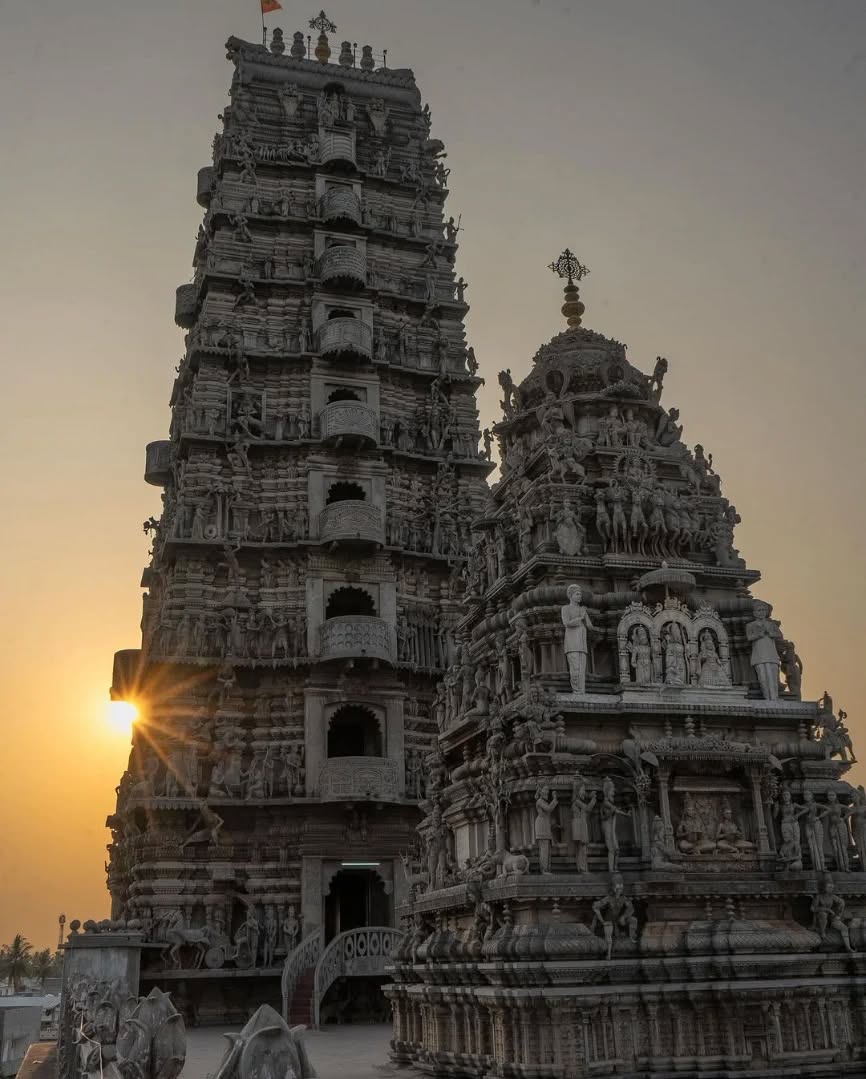
Gollalamamidada, Kakinada District, Andhra Pradesh, India
Gollalamamidada Temples
Fondly known as 'Gopurala Mamidada' (The Mamidada of Towers), Gollalamamidada is a lush green agricultural village in Andhra Pradesh that boasts unexpectedly towering, magnificent temples. It is primarily famous for two spectacular shrines: a grand Sri Rama Temple with a staggering 170-foot Rajagopuram, and a beautiful Surya Narayana (Sun God) temple situated serenely in the middle of a lake.
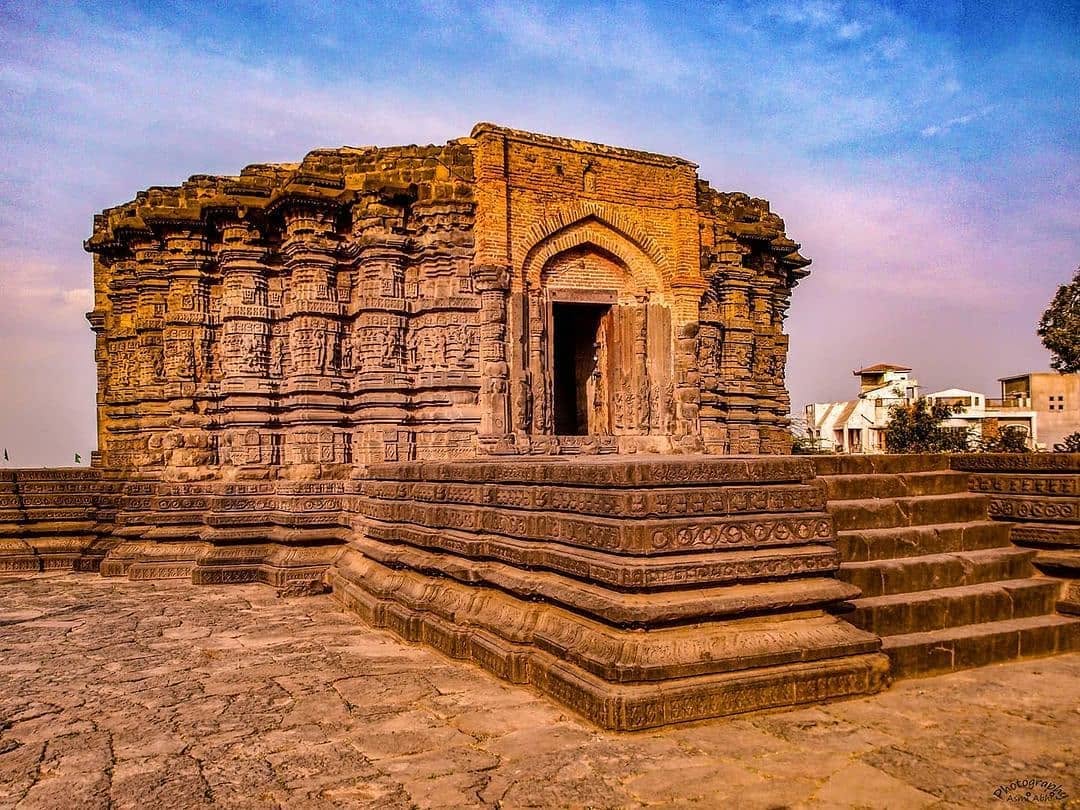
Lonar, Buldhana District, Maharashtra, India
Daitya Sudan Temple
Situated near the rim of the world-famous Lonar meteor crater, the Daitya Sudan Temple is a 13th-century architectural masterpiece. Dedicated to Lord Vishnu, the temple commemorates the divine slaying of the demon Lonasura, intertwining ancient religious mythology with one of Earth's rarest and most catastrophic geological phenomena.
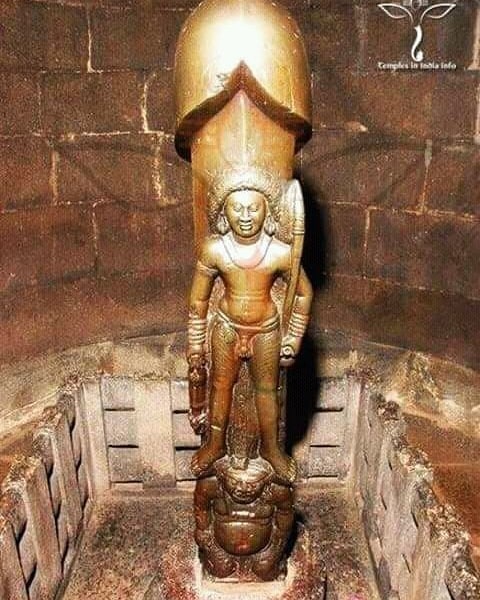
Gudimallam, Tirupati District, Andhra Pradesh, India
Gudimallam Temple
Situated on the banks of the Swarnamukhi River near Tirupati, the Parasurameswara Temple at Gudimallam is an archaeological and spiritual marvel. It houses what is widely considered to be the oldest continuously worshipped Shiva Lingam in the world, dating back to the 2nd or 3rd century BCE, offering a rare glimpse into the dawn of Hindu temple worship.
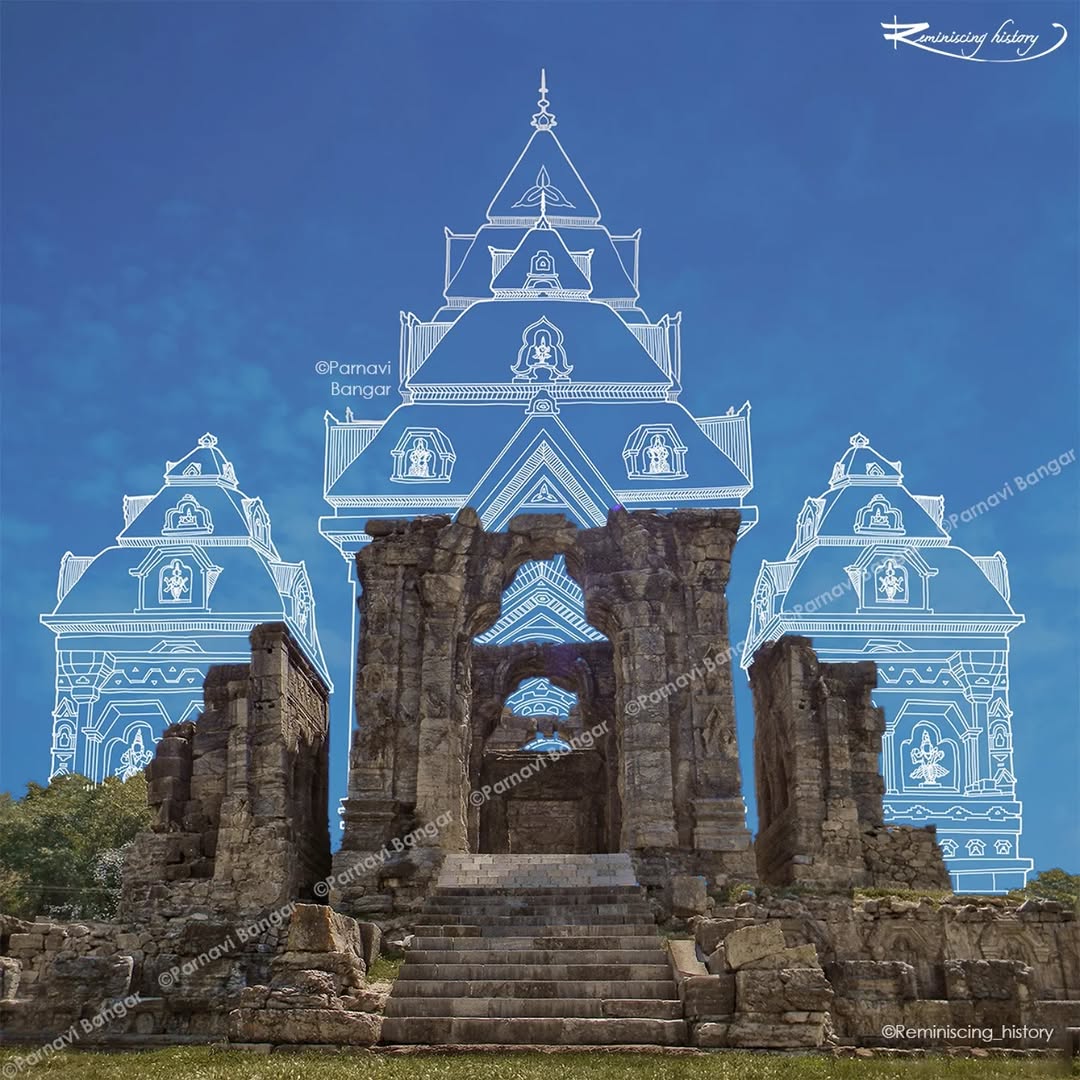
Anantnag (near Mattan), Jammu and Kashmir, India
Martand Sun Temple
Set against the breathtaking backdrop of the snow-capped Pir Panjal range in the Kashmir Valley, the ruins of the Martand Sun Temple stand as a melancholic yet magnificent testament to the architectural brilliance of ancient India. Before its destruction, it was one of the grandest and most imposing temples dedicated to the Sun God in the world.
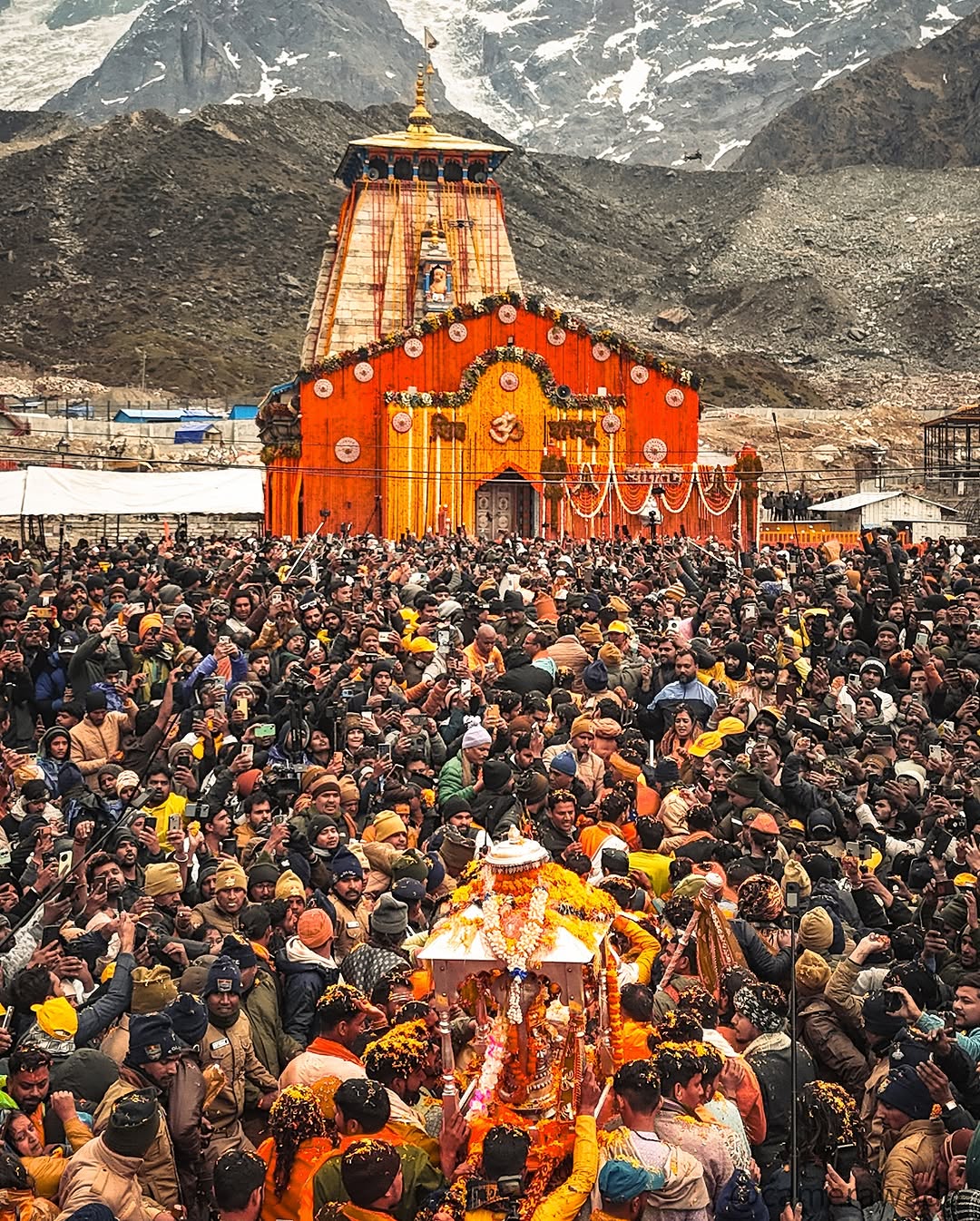
Kedarnath, Rudraprayag District, Uttarakhand, India
Kedarnath Temple
Located at a breathtaking altitude of 3,583 meters (11,755 ft) near the Chorabari Glacier and the roaring Mandakini river, Kedarnath is one of the holiest and most remote Shiva temples in the world. It is the highest of the 12 Jyotirlingas and stands as a formidable symbol of spiritual resilience amidst the unforgiving Himalayan terrain.
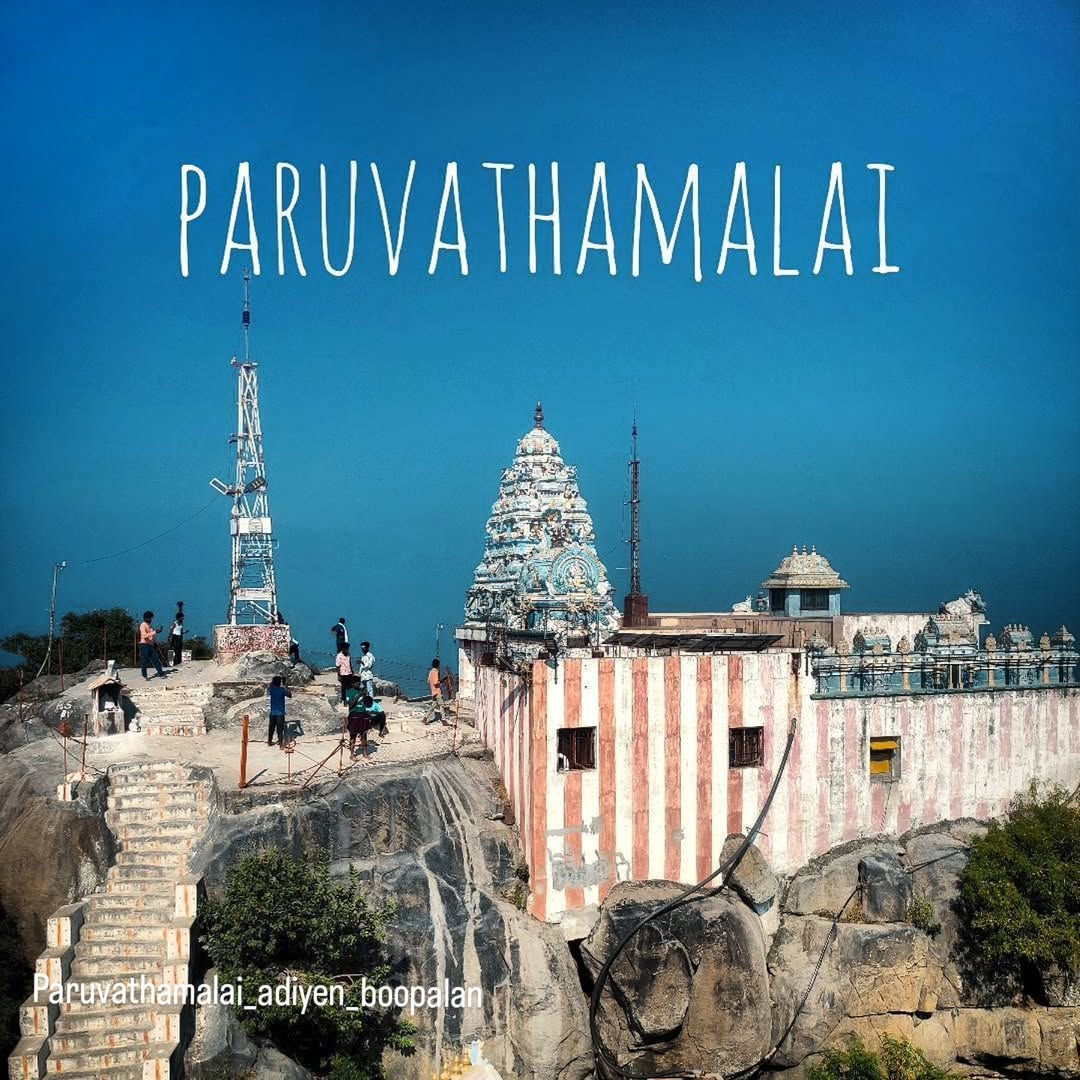
Polur, Tiruvannamalai District, Tamil Nadu, India
Parvathamalai Temple
Rising to an altitude of over 4,500 feet in the Eastern Ghats, Parvathamalai is a sacred and thrilling pilgrimage destination. Known for its notoriously steep and challenging trekking route involving vertical rock faces, iron rods, and chains, the peak houses an ancient Shiva temple. It is heavily associated with Tamil Siddhars (mystics) and offers a rare tradition where devotees are allowed to personally perform pooja and abhishekam to the main deity.
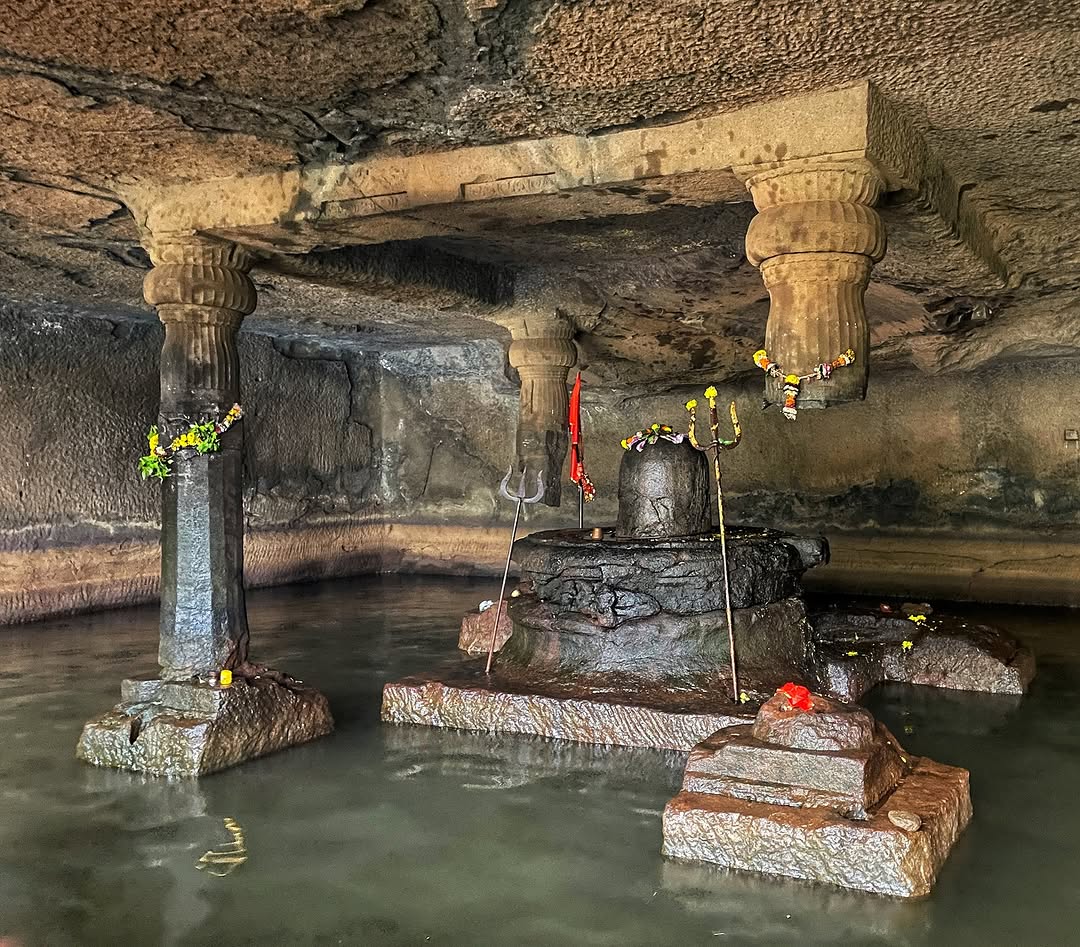
Ahmednagar District (Harishchandragad), Maharashtra, India
Kedareshwar Cave Temple
Hidden within the rugged Sahyadri mountains inside the ancient Harishchandragad Fort, the Kedareshwar Cave Temple is a mystical and visually striking shrine. The cave houses a massive Shiva Lingam that sits permanently submerged in freezing, waist-deep water. It is most famous for its solitary standing pillar and the apocalyptic legend attached to it.
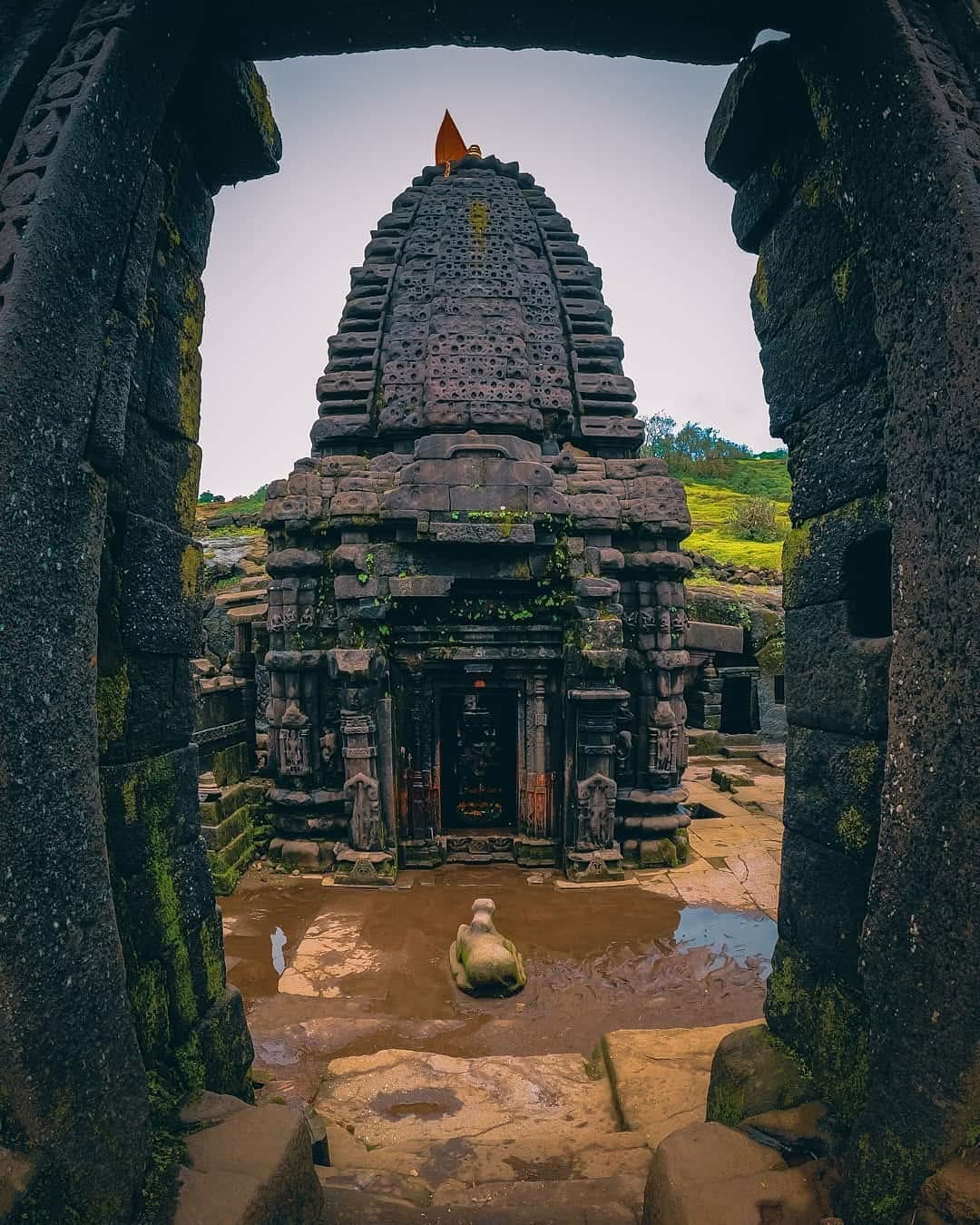
Ahmednagar District (Harishchandragad), Maharashtra, India
Harishchandreshwar Temple
Situated on the vast, windswept plateau of the Harishchandragad fort in the Sahyadri mountains, the Harishchandreshwar Temple is a magnificent testament to ancient Indian rock architecture. Surrounded by mystical caves, ancient water cisterns, and dense forests, it serves as the spiritual anchor of this historic fort, standing in striking contrast to the raw nature of the adjacent Kedareshwar Cave.
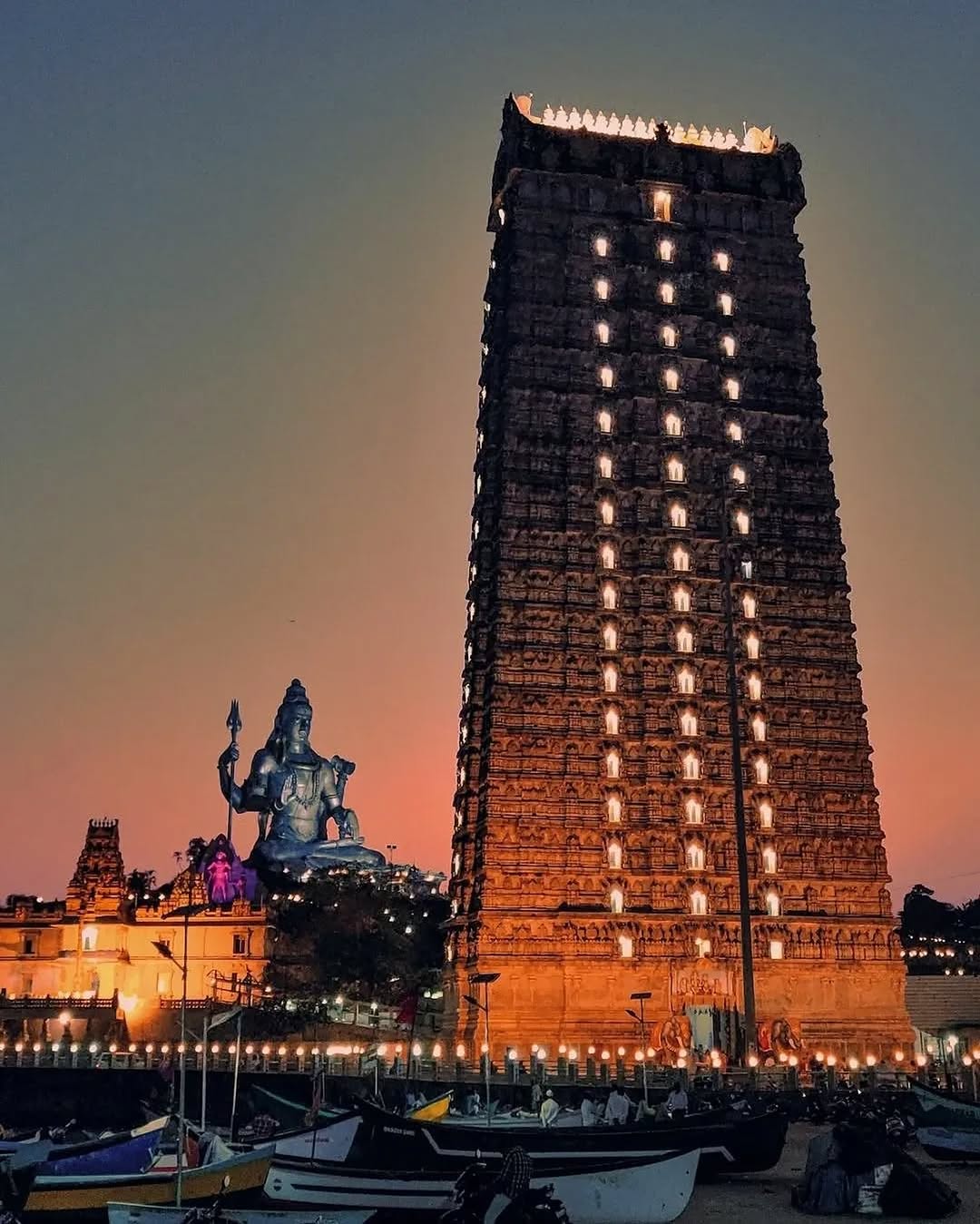
Murudeshwar, Uttara Kannada District, Karnataka, India
Murudeshwar Temple
Perched dramatically on Kanduka Hill and surrounded by the waters of the Arabian Sea on three sides, the Murudeshwar Temple is a breathtaking spiritual marvel. It is globally famous for housing the world's second-tallest Lord Shiva statue and a spectacular 20-story Rajagopuram (the second tallest in the world) that offers panoramic views of the ocean and the monumental deity.
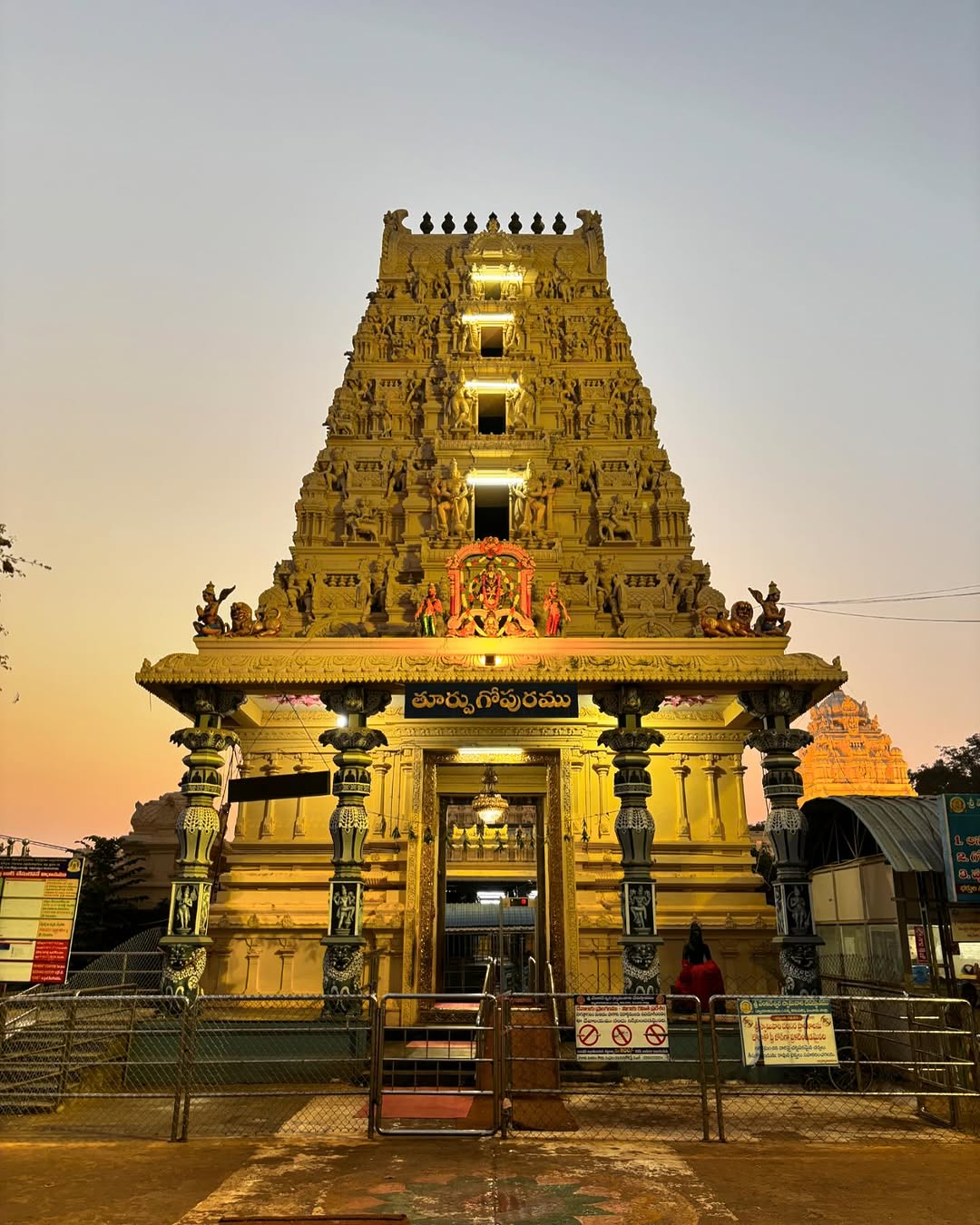
Dwaraka Tirumala, Eluru District, Andhra Pradesh, India
Dwaraka Tirumala Temple
Popularly known as 'Chinna Tirupati' (Mini Tirupati), Dwaraka Tirumala is a highly revered Vaishnavite shrine situated on the Seshadri hill. It serves as an alternative pilgrimage site for devotees who are unable to fulfill their vows at the main Tirupati temple. The temple is uniquely famous for housing two main idols in the exact same sanctum—a self-manifested bust of the Lord and a full-sized consecrated standing idol.
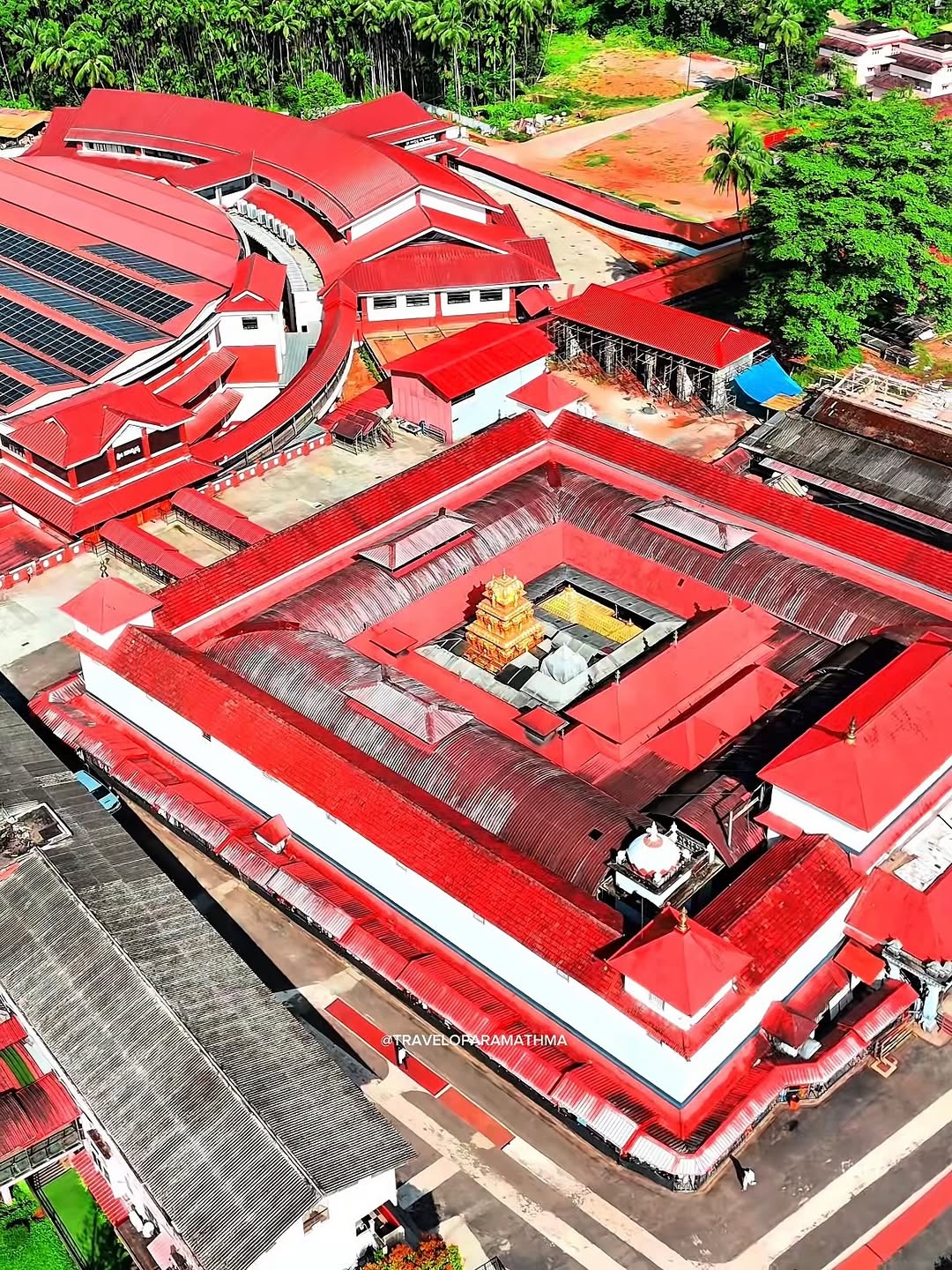
Dharmasthala, Dakshina Kannada District, Karnataka, India
Sri Manjunatha Swamy Temple
Situated on the banks of the Nethravathi River, Dharmasthala is one of South India's most revered pilgrimage centers. It is famous for its strict adherence to 'Dharma' (righteousness), its massive free-feeding kitchens (Annadaanam), and its unique administrative justice system where the Dharmadhikari resolves civil disputes.
Basar, Nirmal District, Telangana, India
Gnana Saraswati Temple
Situated on the serene banks of the river Godavari, the Gnana Saraswati Temple at Basara is one of the two most famous temples dedicated to the Goddess of Wisdom in India (the other being the Sharada Peeth in Kashmir). It is widely celebrated as the ultimate destination for 'Aksharabhyasam'—the sacred ritual where children are formally introduced to the world of alphabets and education.
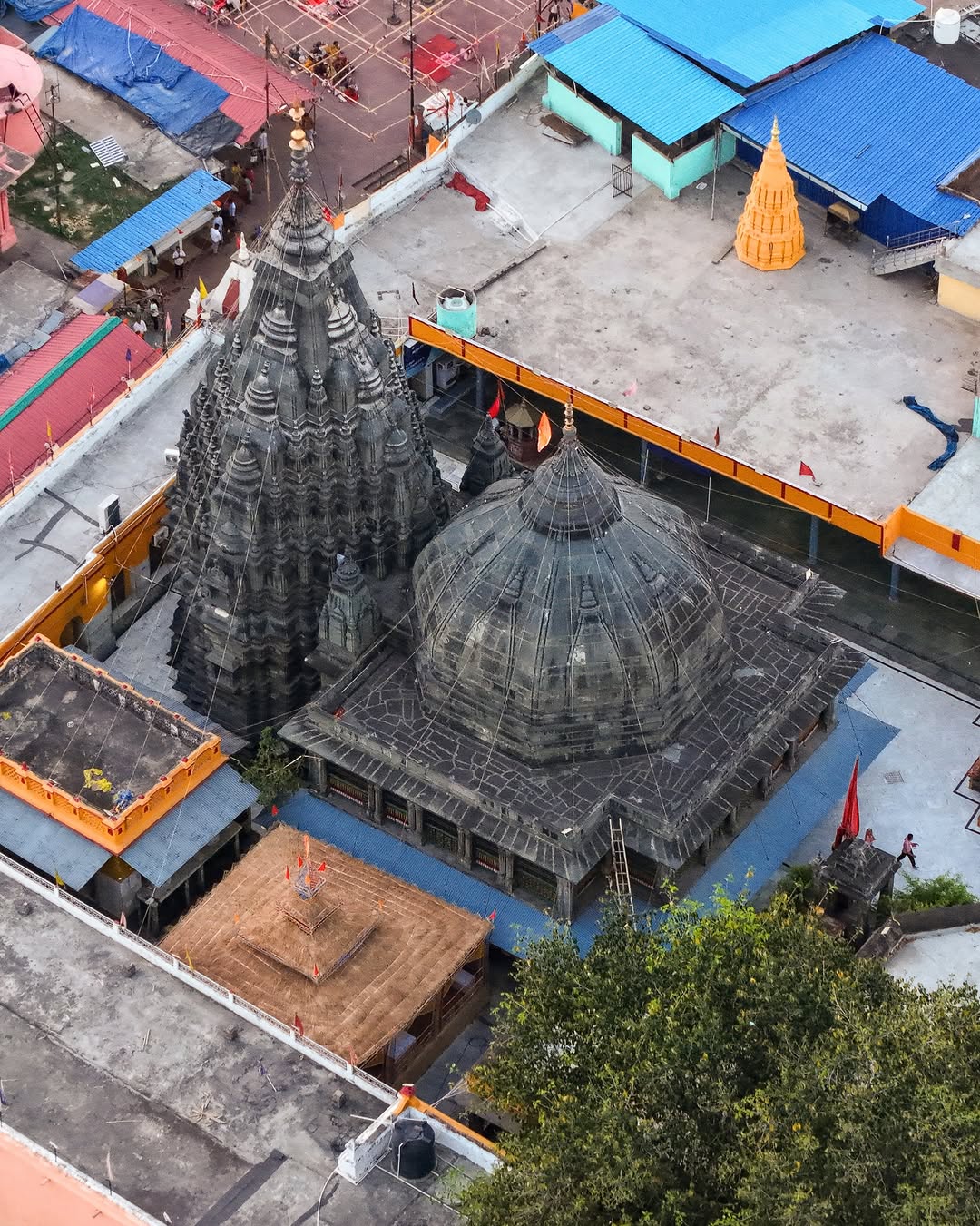
Gaya, Bihar, India
Vishnupad Temple
Gaya Ji is considered the absolute supreme destination in Hinduism for performing 'Pind Daan' and 'Shraddha'—rituals designed to offer salvation (Moksha) to departed ancestors. The spiritual heart of the city is the Vishnupad Temple, situated on the banks of the Falgu River. Instead of a traditional idol, the temple houses a 40-centimeter-long footprint of Lord Vishnu imprinted on solid rock, surrounded by a silver-plated basin.
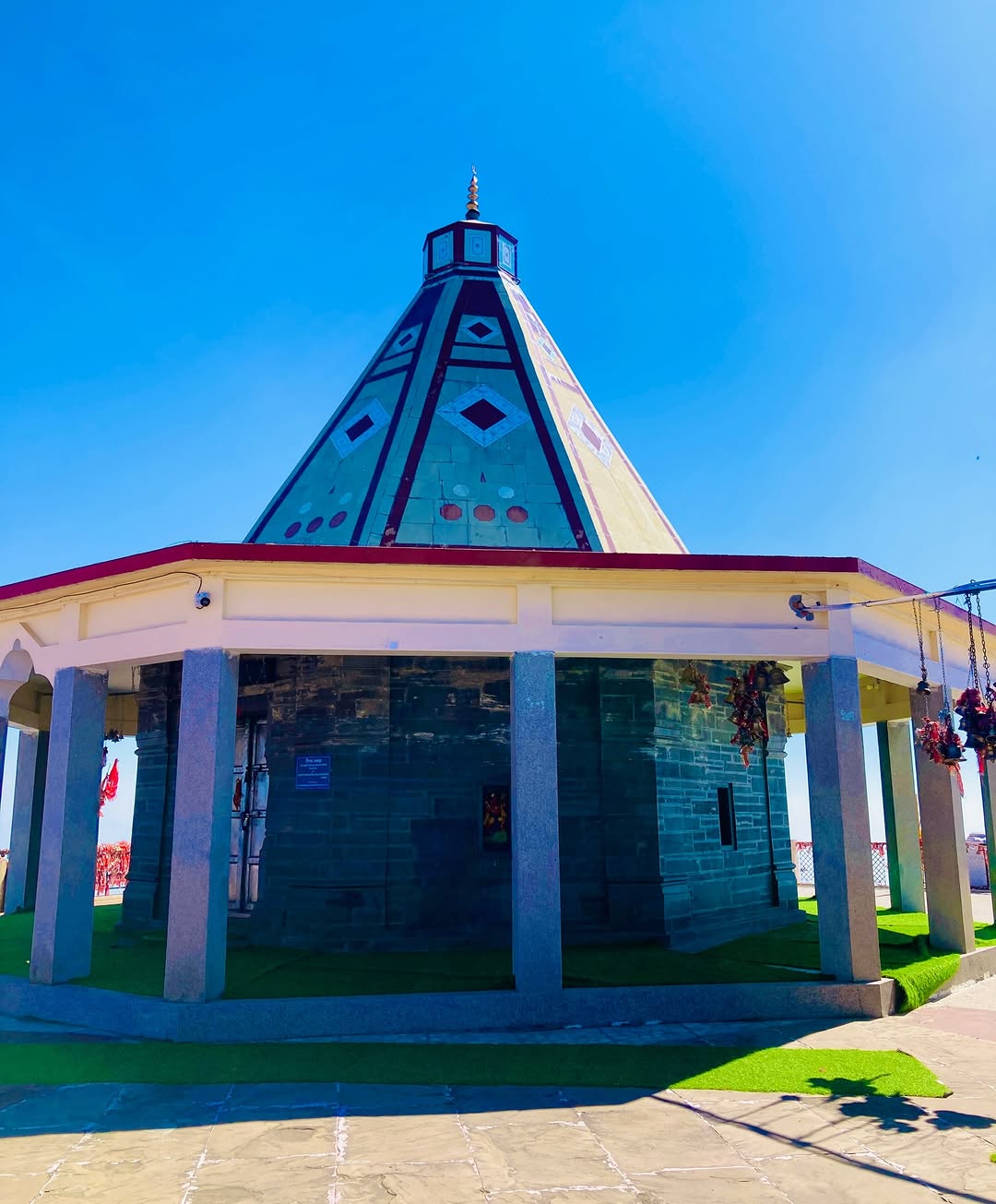
Jamnikhal, Tehri Garhwal District, Uttarakhand, India
Maa Chandrabadni Temple
Perched at an elevation of 2,277 meters on the breathtaking Chandrakoot Mountain, the Maa Chandrabadni Temple is a revered Maha Shakti Peeth. Surrounded by panoramic 360-degree views of the Garhwal Himalayas (including the Kedarnath and Badrinath peaks), the temple is profoundly unique because it houses no idol. Instead, the cosmic feminine power is worshipped strictly through an ancient Shri Yantra carved directly into the mountain rock.
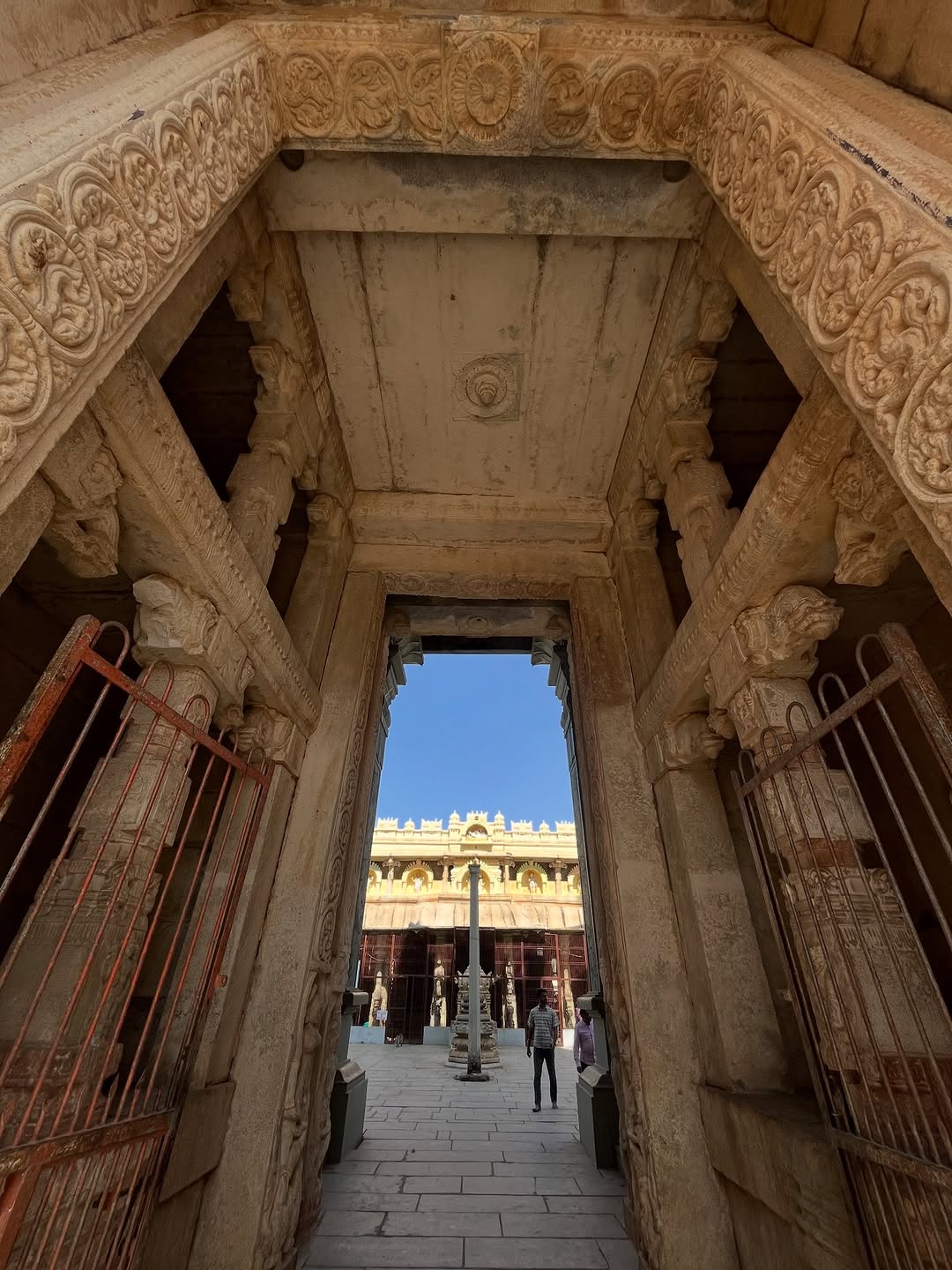
Yelandur, Chamarajanagar District, Karnataka, India
Sri Biligiri Ranganatha Swamy Temple
Biligirirangana Betta (BR Hills) is situated in a beautiful mountain range connecting the Western and Eastern Ghats. Lord Ranganatha here is famous as 'Biligiri Ranganatha'. The hill gets its name 'Biligiri' (White Hill) because the soil and rocks here are naturally white. It is a sacred shrine uniquely located right in the middle of a dense wildlife sanctuary and tiger reserve.
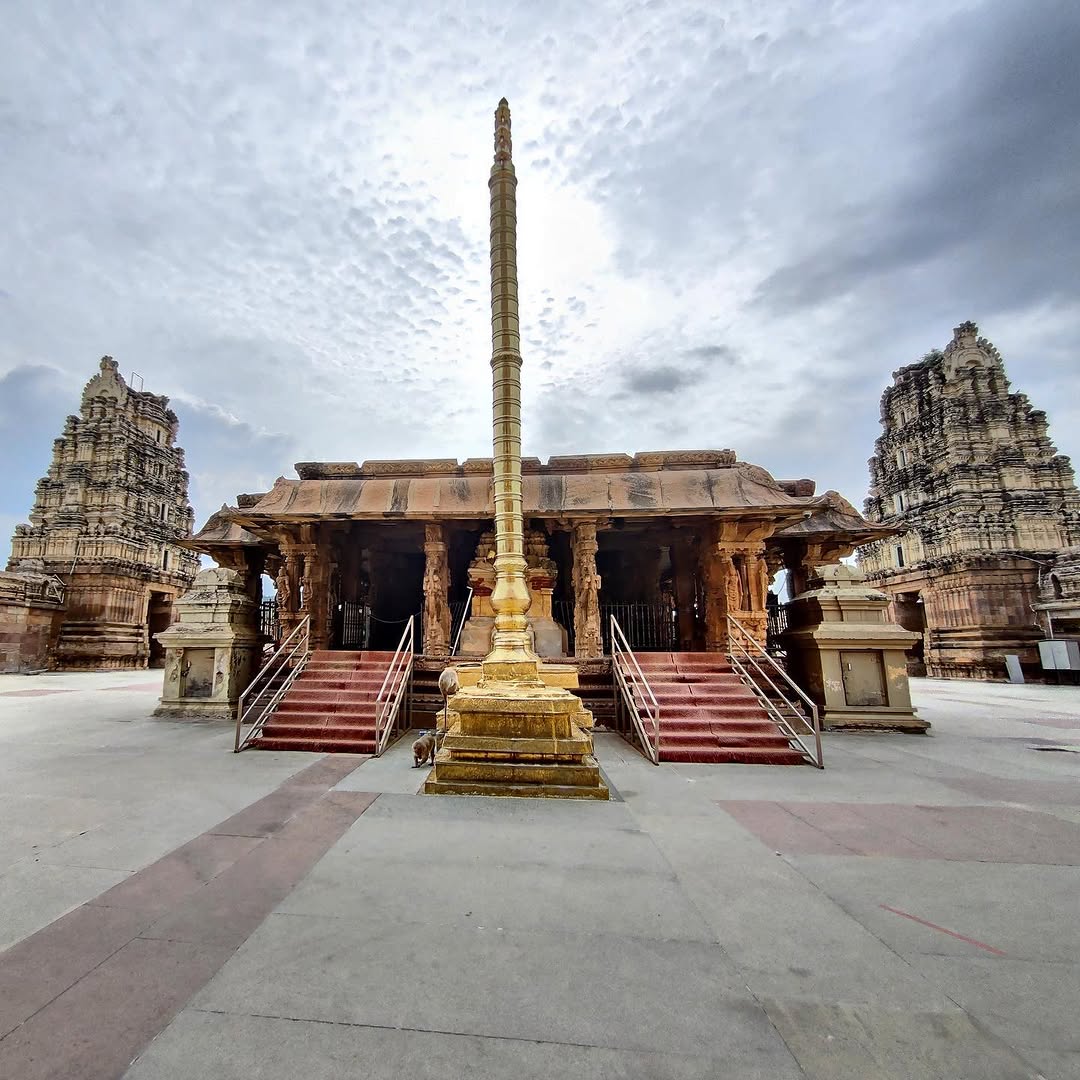
Vontimitta, Kadapa District, Andhra Pradesh, India
Vontimitta Kodandarama Swamy Temple
Located in the historic region of Vontimitta, this spectacular 16th-century temple is dedicated to Lord Rama. It is historically renowned as 'Ekashila Nagaram' because the magnificent idols of Lord Rama, Goddess Sita, and Lord Lakshmana in the sanctum sanctorum are all carved seamlessly out of a single monolithic rock. The temple represents the epitome of devotion and classical Telugu literary heritage.
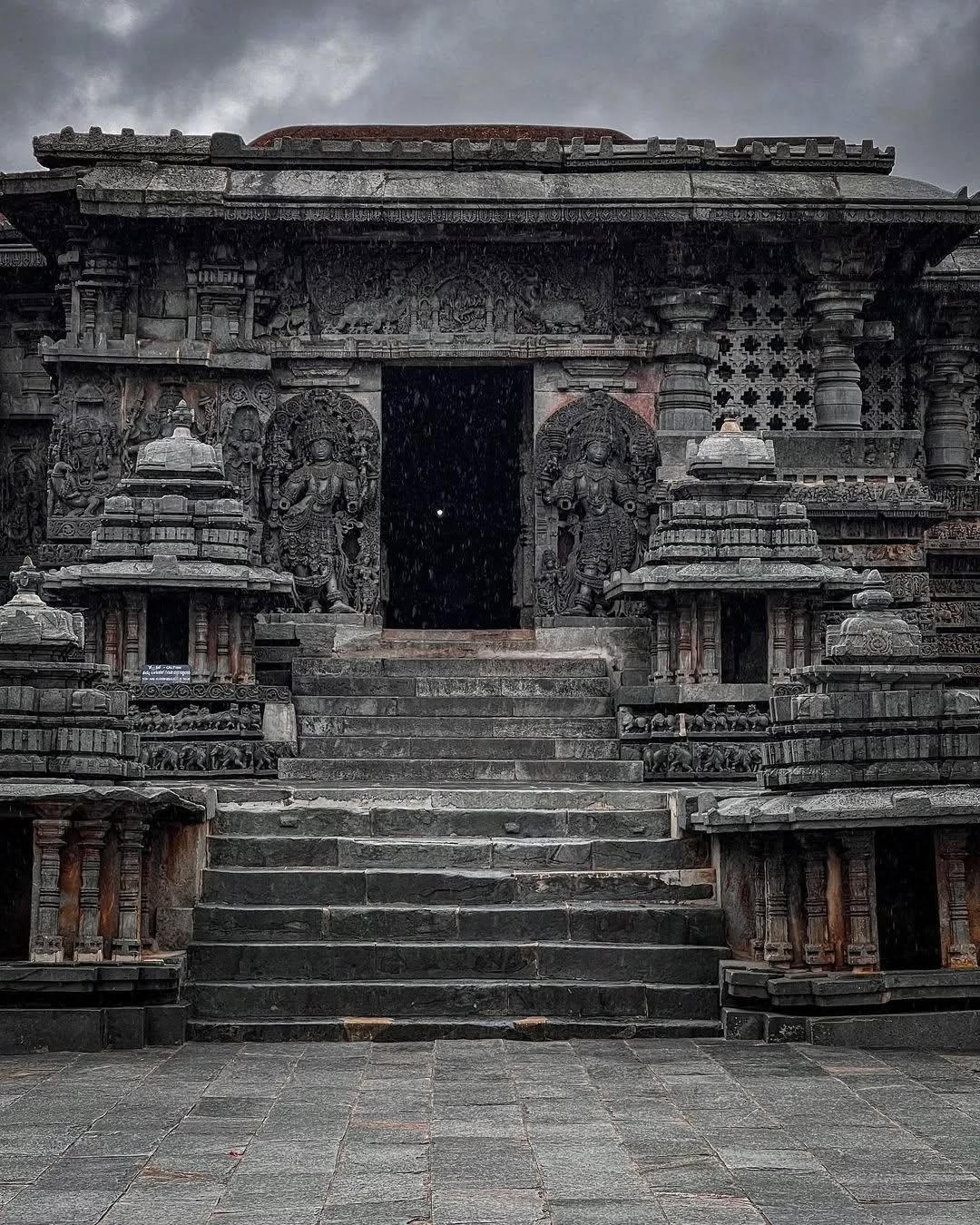
Halebidu, Hassan District, Karnataka, India
Hoysaleswara Temple
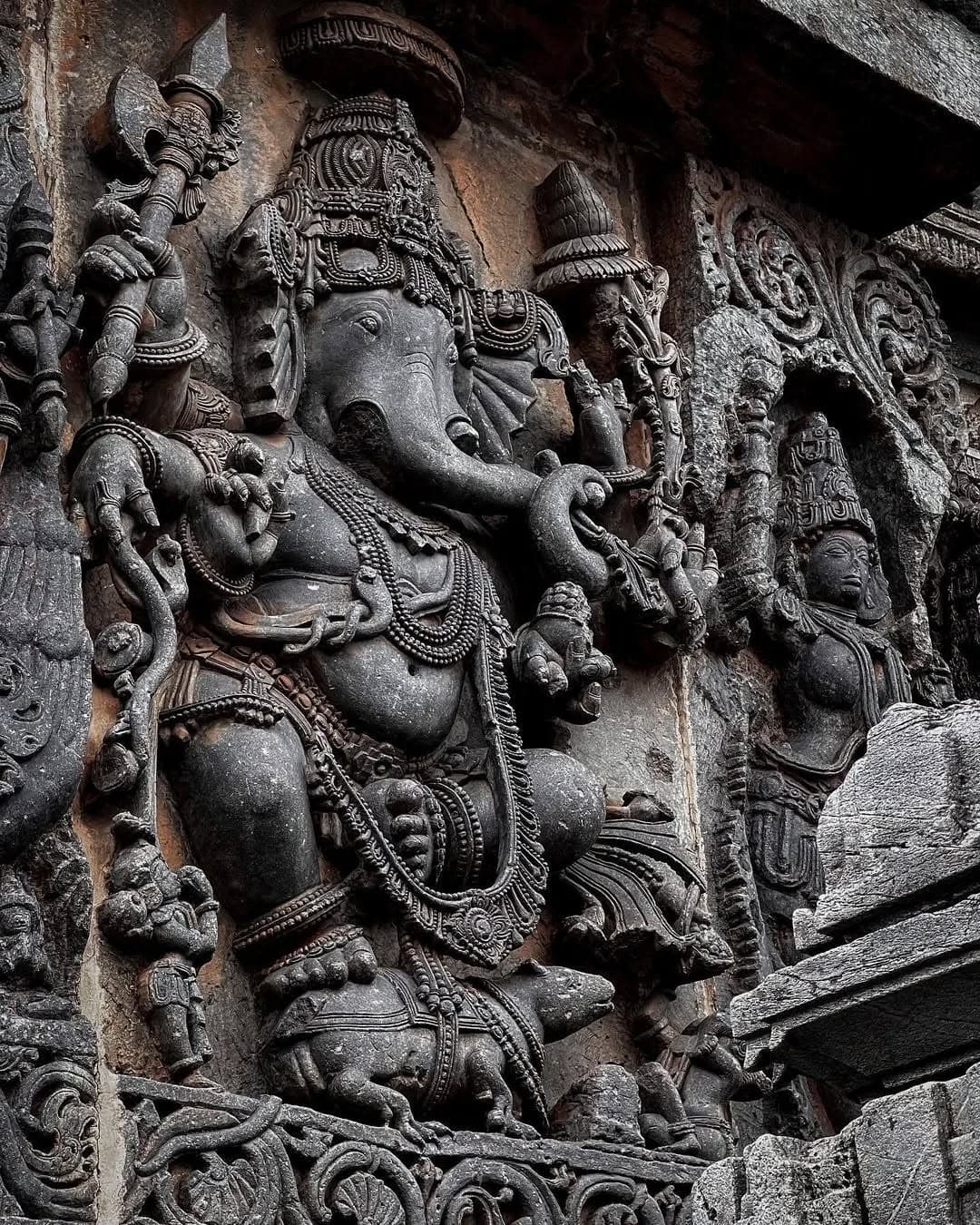
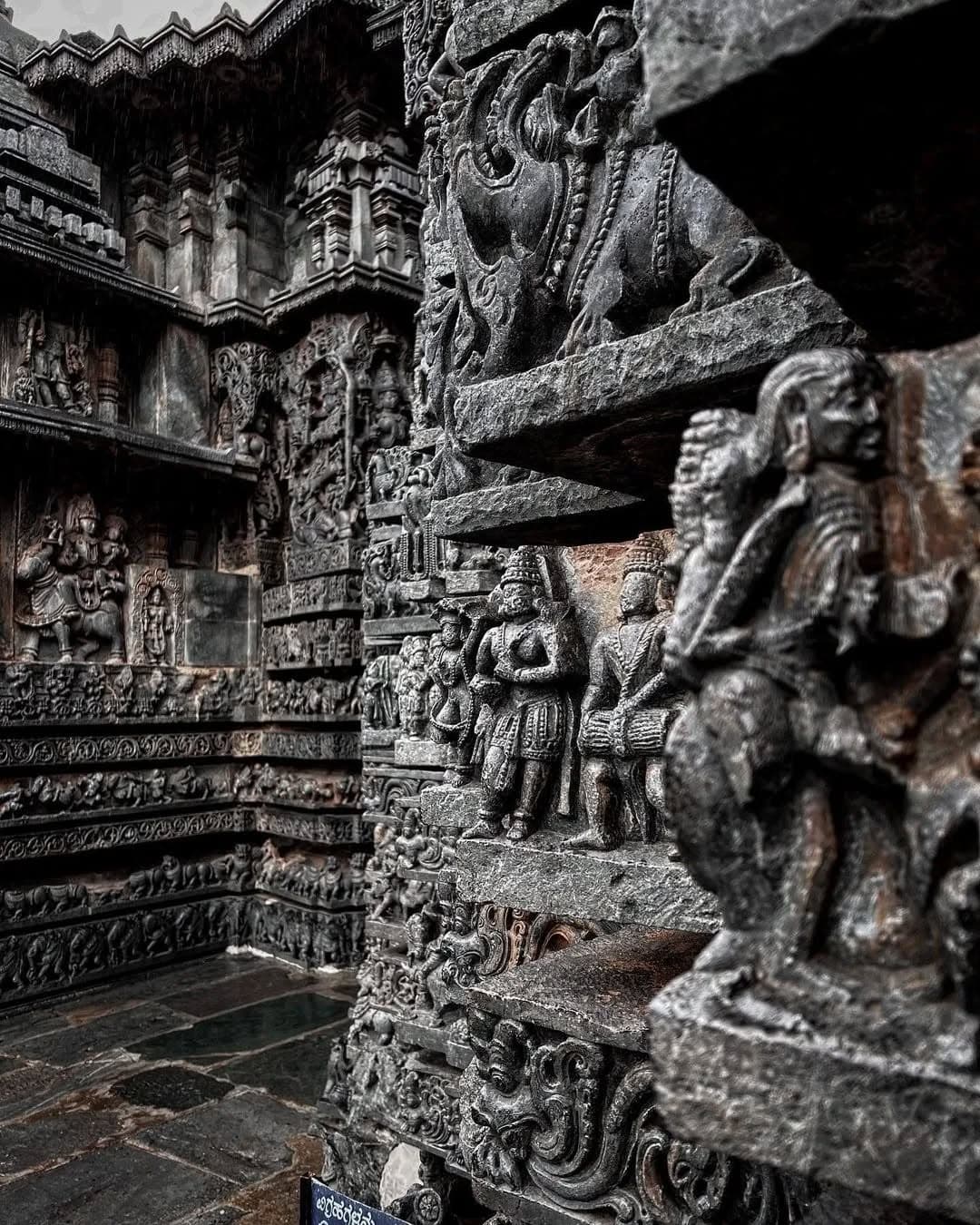
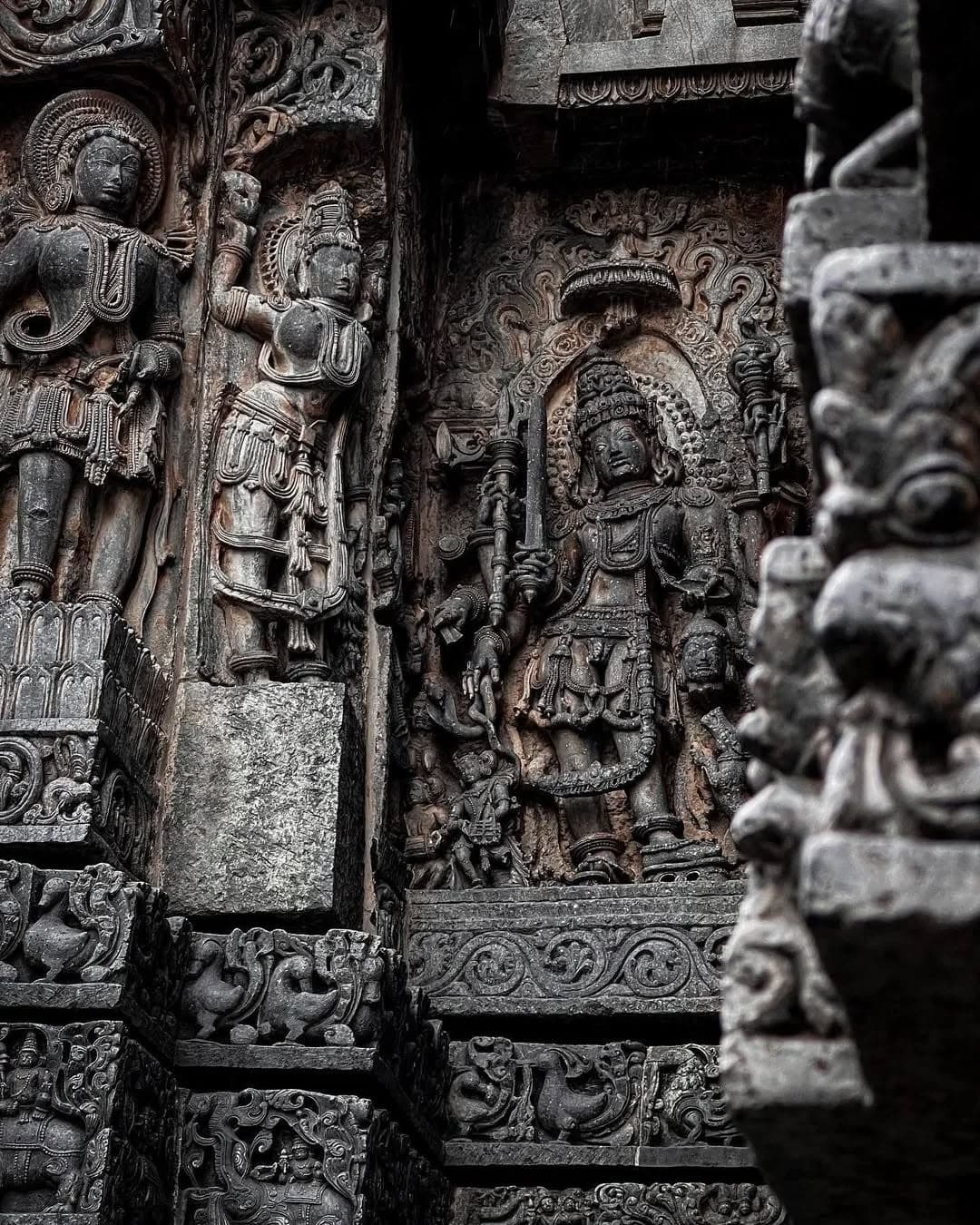
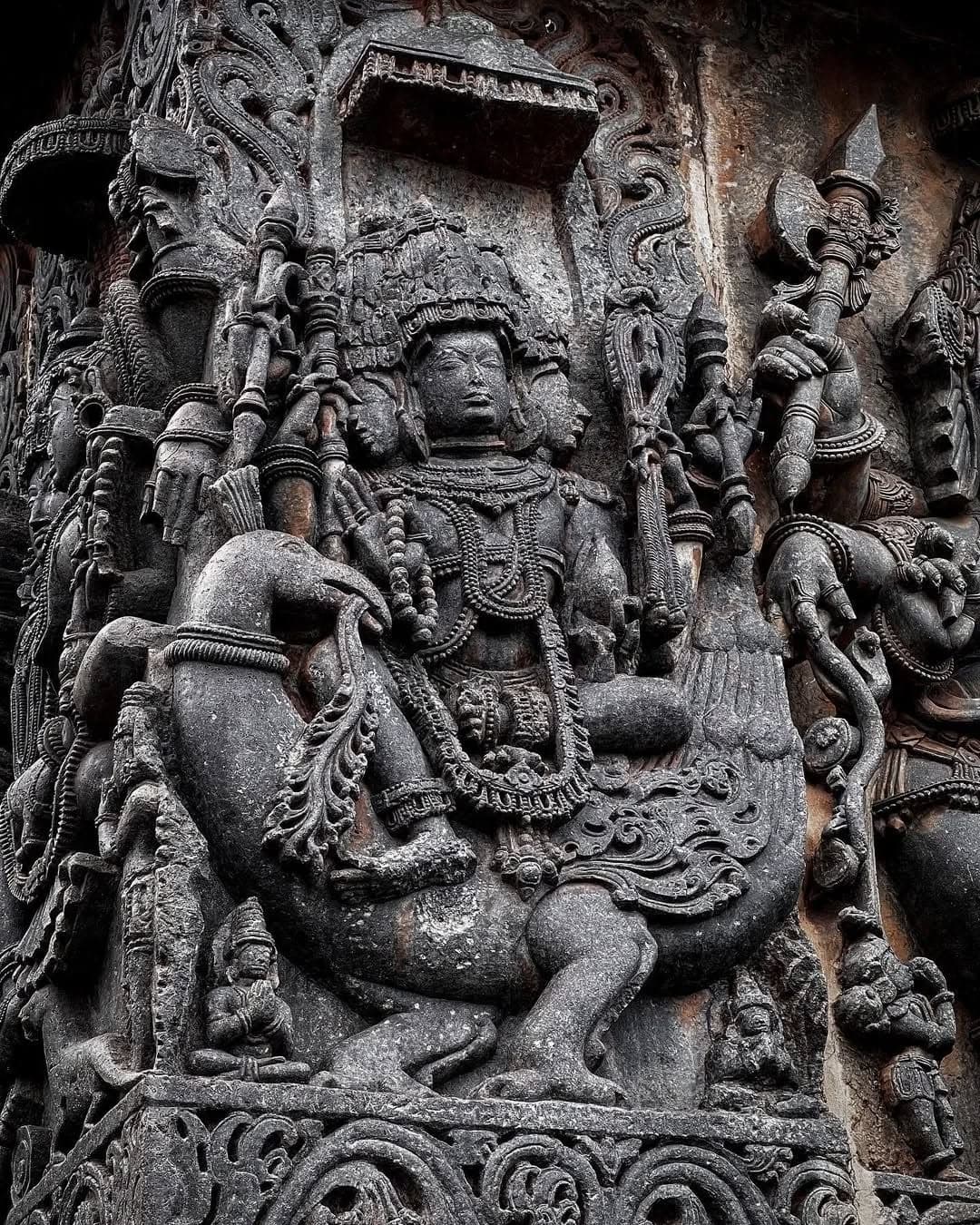
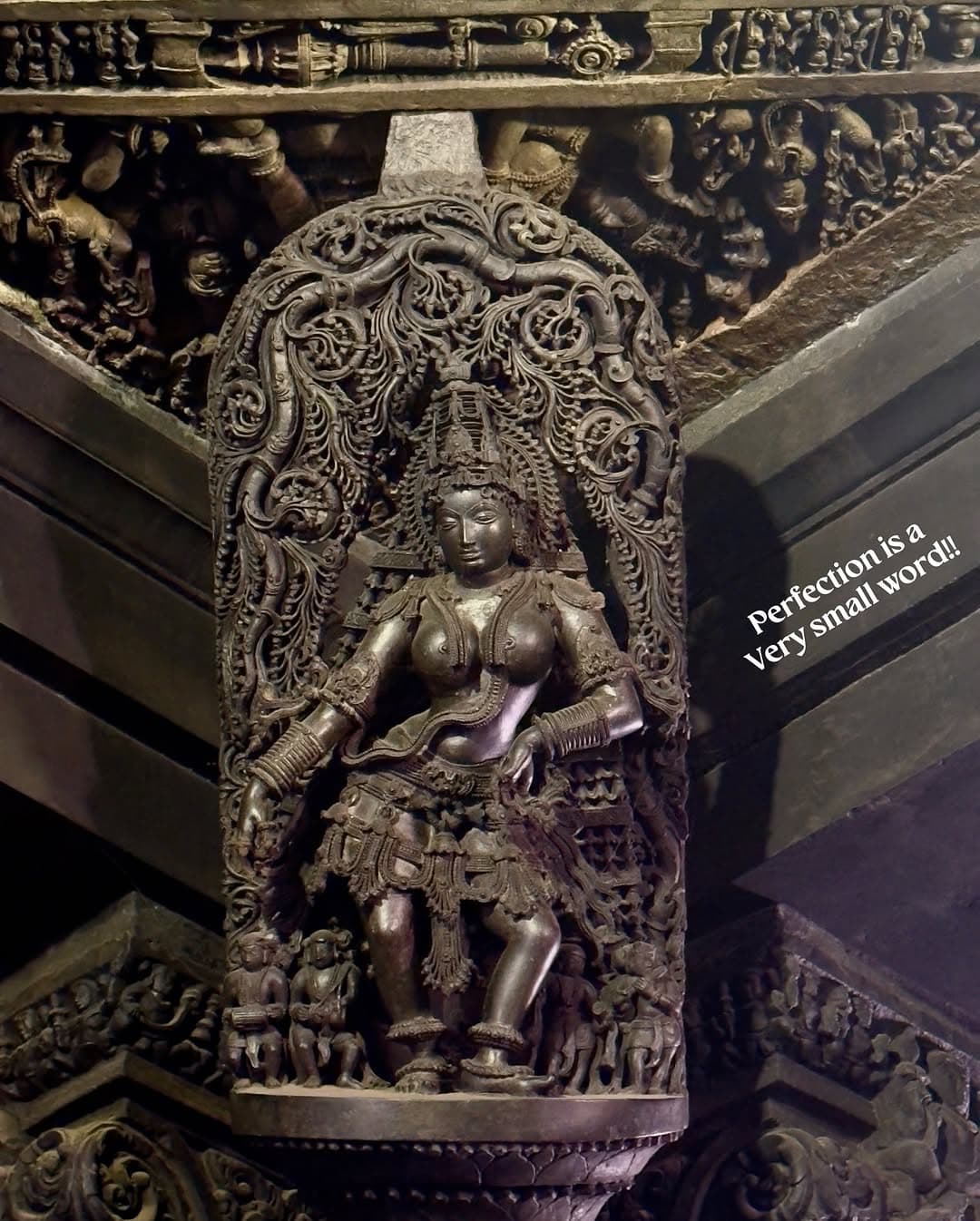
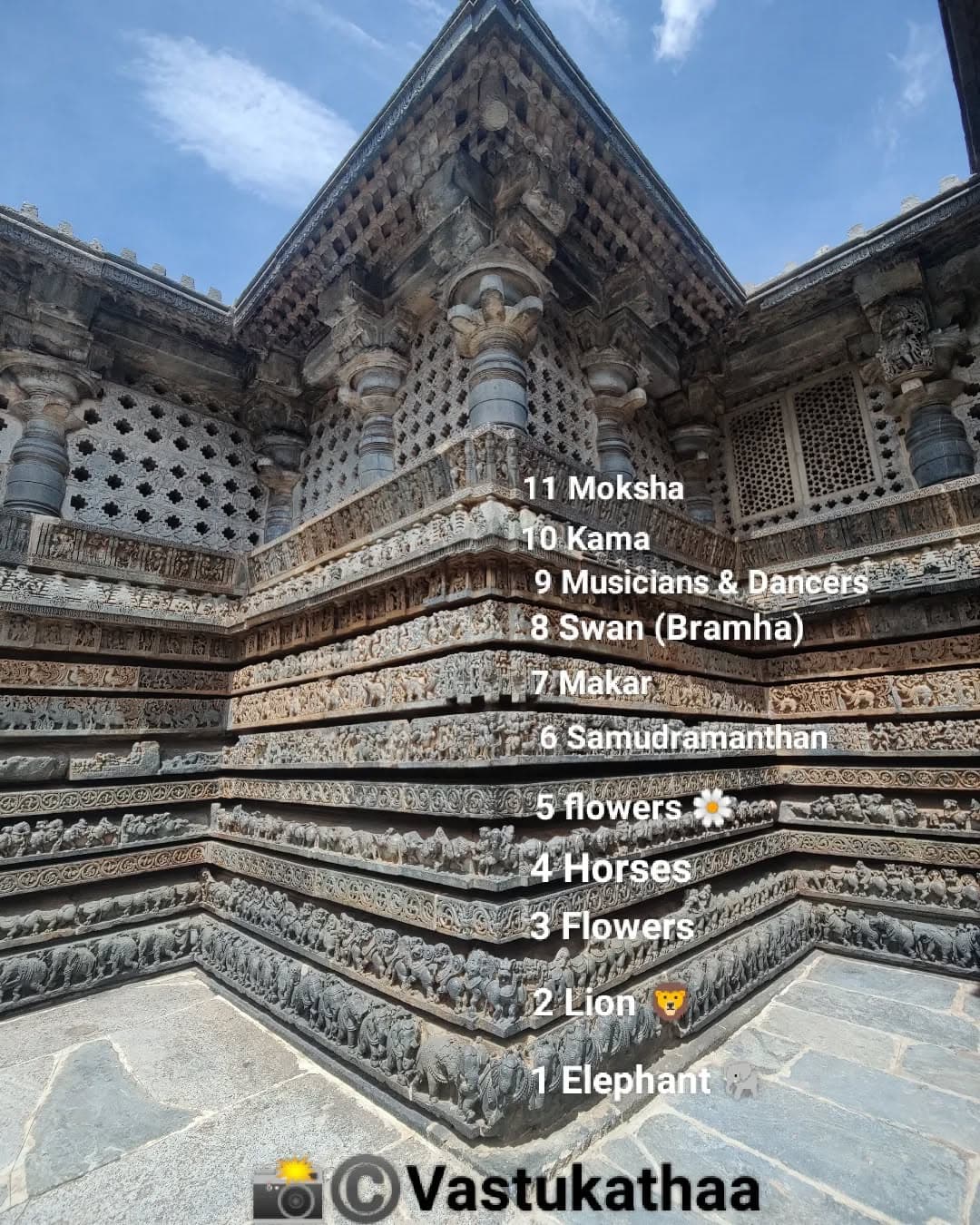
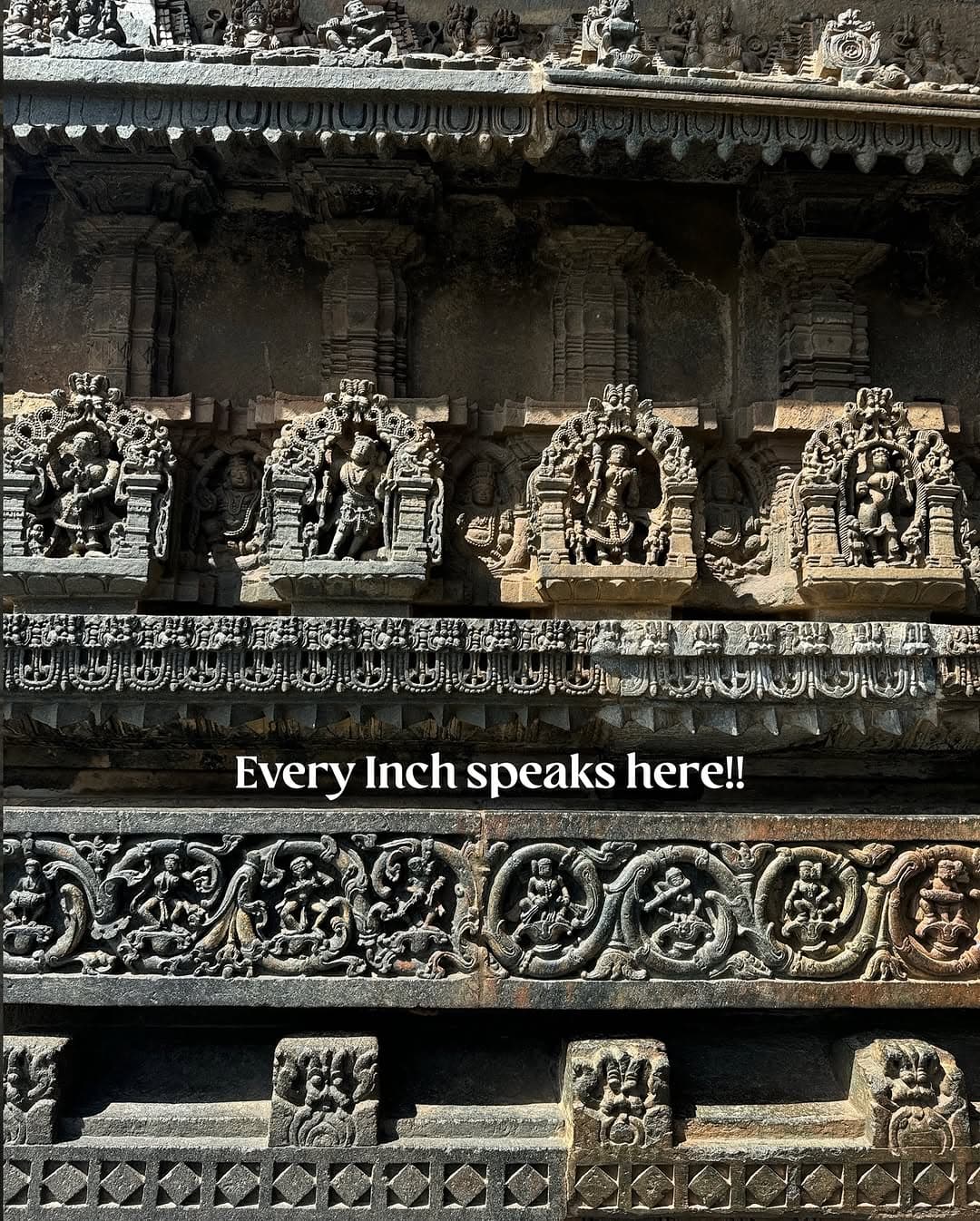
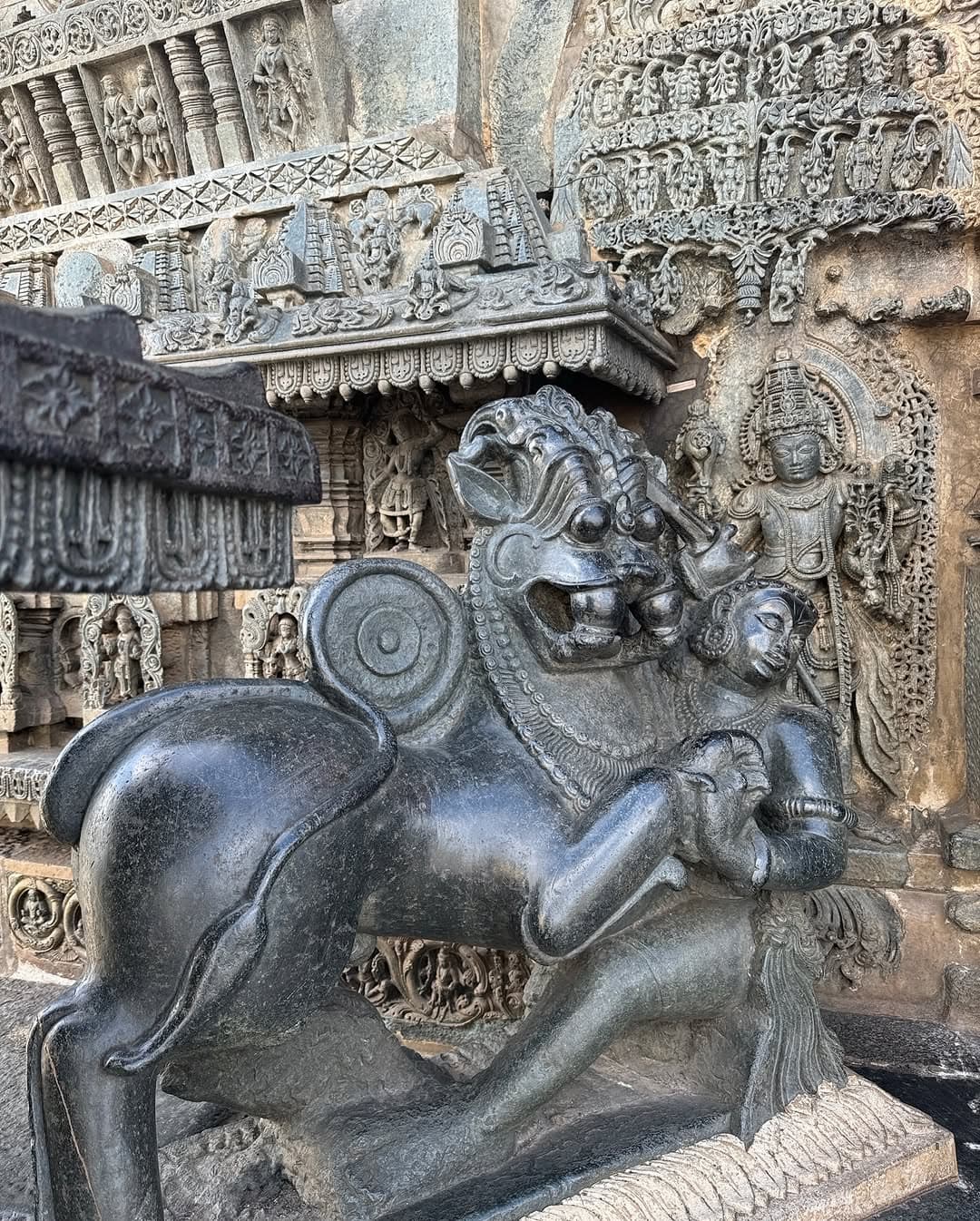
Located in the ancient Hoysala capital of Dwarasamudra (now Halebidu), the Hoysaleswara Temple is a supreme marvel of Indian rock architecture. It is a 'Dvikuta' (two-shrined) temple built on a star-shaped platform. Rather than towering heights, the temple is famous for its astonishingly intricate, jewelry-like soapstone carvings covering every inch of its exterior walls.
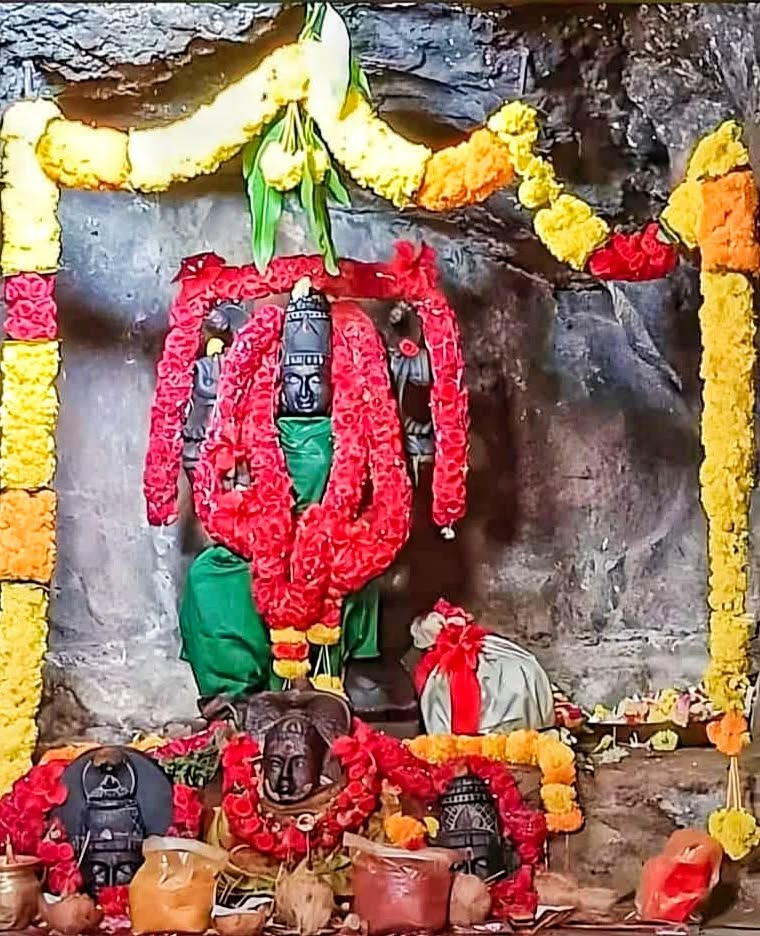
Lova (near Tuni), Kakinada District, Andhra Pradesh, India
Sri Thalupulamma Ammavari Devasthanam
Nestled in a breathtakingly scenic, lush green valley (Lova) flanked by the Darakonda and Teegakonda mountains, the Thalupulamma Temple is one of the most famous shrines in coastal Andhra Pradesh. The Goddess is a Swayambhu (self-manifested) deity who is fiercely revered as the ultimate protector of travelers and vehicles. The name 'Thalupulamma' is derived from 'Thalapulu' (thoughts or wishes), meaning the mother who fulfills the thoughts of her devotees.
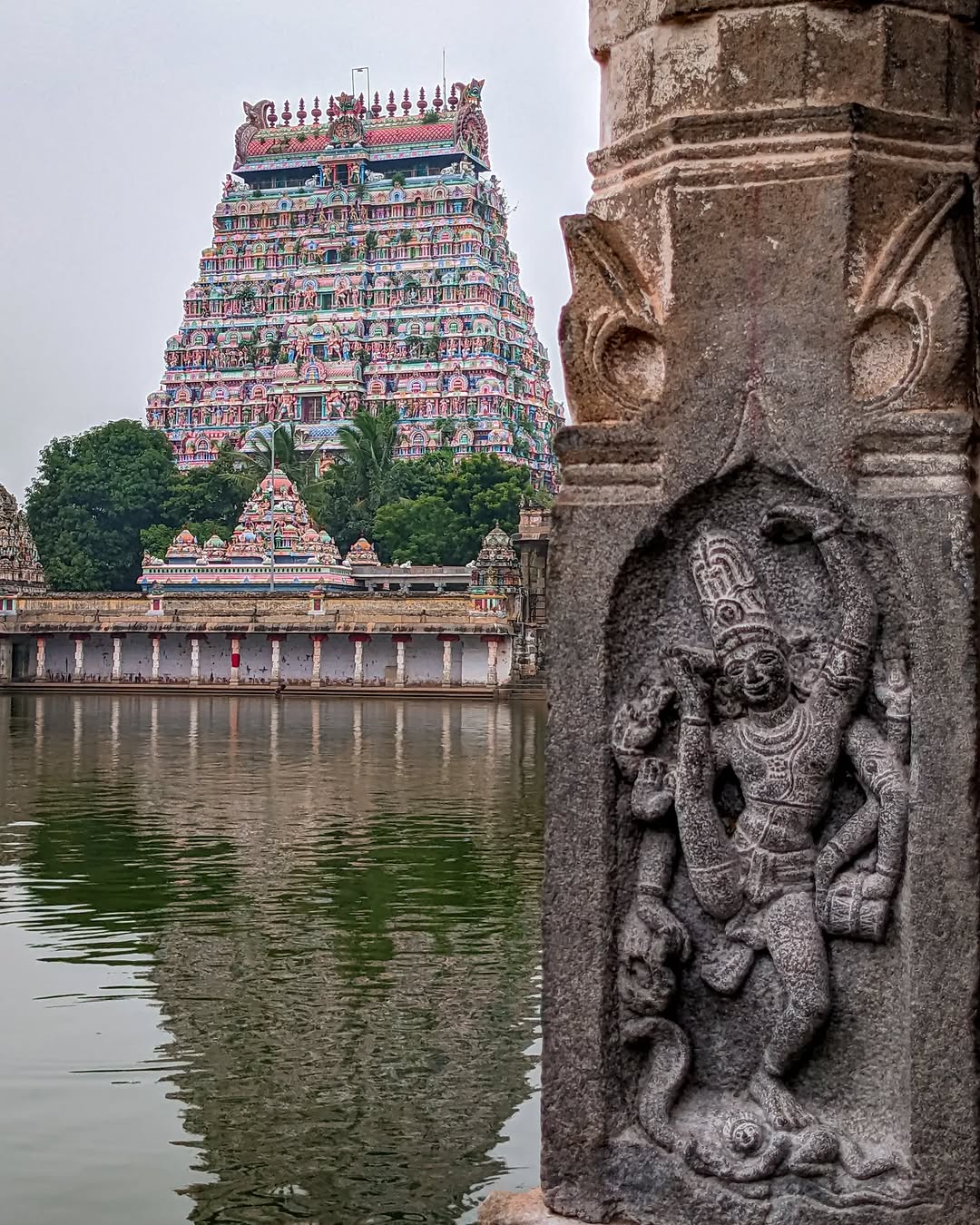
Chidambaram, Cuddalore District, Tamil Nadu, India
Chidambaram Temple
The Thillai Nataraja Temple is the foremost of all Shaivite shrines (often referred to simply as 'Kovil' by Shaivites). It represents the 'Akasha' (Space or Ether) element of the Pancha Bhoota Stalams. It is uniquely famous because the presiding deity is not worshipped as a traditional Shiva Lingam, but as Nataraja—the Lord of Dance—frozen mid-movement in the breathtaking Ananda Tandava (Dance of Bliss).
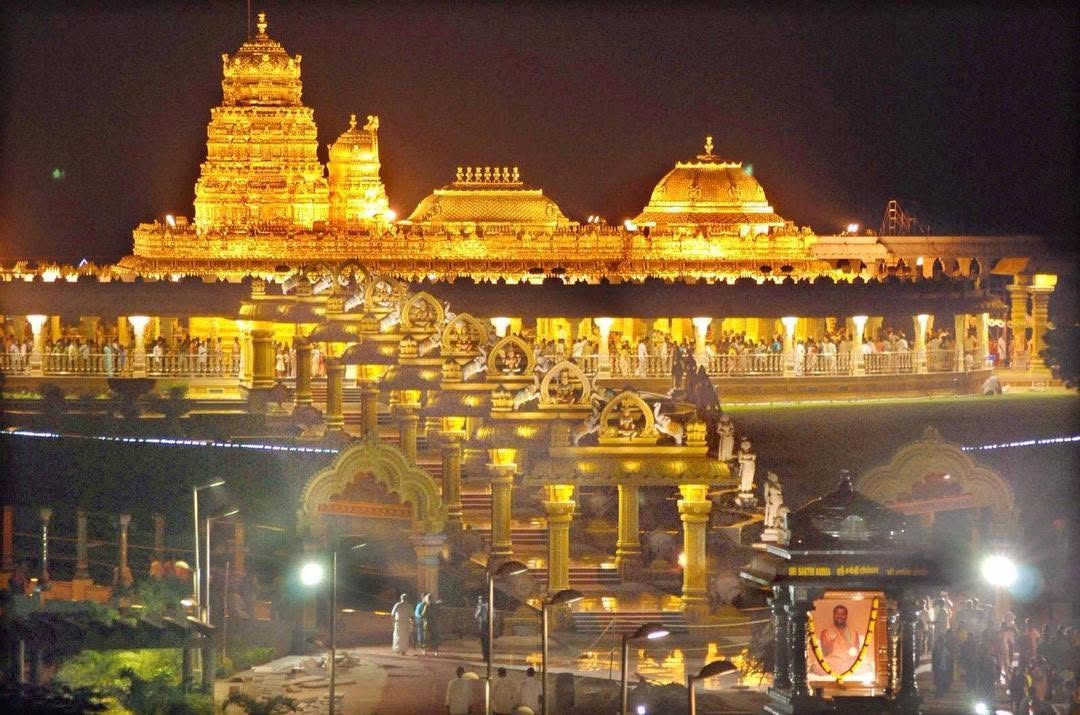
Thirumalaikodi, Vellore District, Tamil Nadu, India
Sri Lakshmi Narayani Golden Temple
Sripuram is a breathtaking modern spiritual park situated at the foot of a small range of green hills. Its crown jewel is the Sri Lakshmi Narayani temple, whose Vimanam and Ardha Mandapam are coated completely in pure gold—reportedly using over 1,500 kilograms of gold foil, making it one of the largest golden structures in the world.
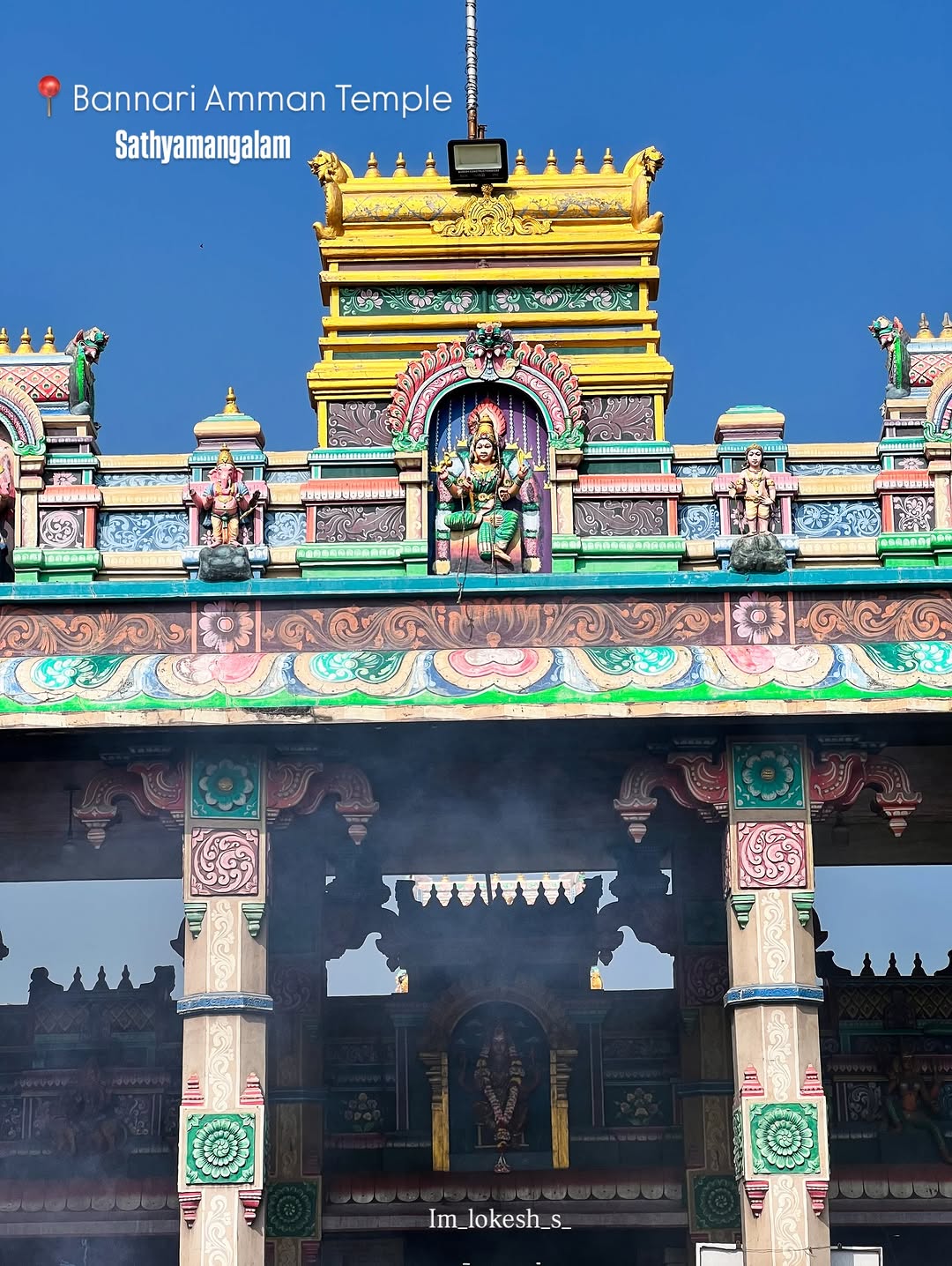
Bannari, Sathyamangalam (Erode District), Tamil Nadu, India
Bannari Mariamman Temple
Situated dramatically at the foothills of the dense Sathyamangalam Tiger Reserve in the Western Ghats, the Bannari Amman Temple is a fiercely powerful shrine. The Goddess here is worshipped as a Swayambhu (self-manifested) Grama Devata who protects the rural masses from diseases, droughts, and the wild dangers of the surrounding deep forests.
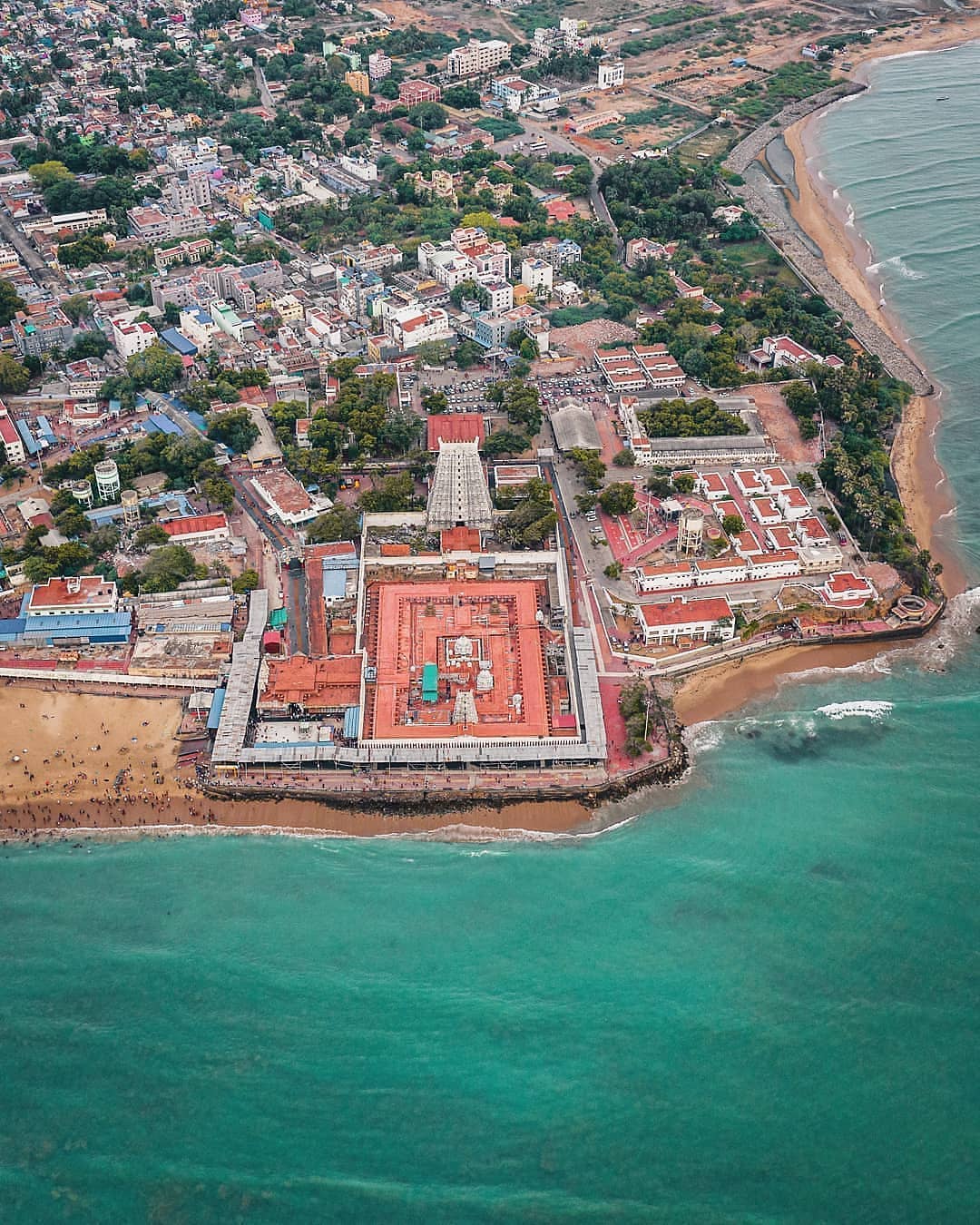
Tiruchendur, Thoothukudi District, Tamil Nadu, India
Arulmigu Subramaniya Swamy Temple
Situated right on the sandy shores of the Bay of Bengal, the Tiruchendur Murugan Temple is the second of the 'Arupadaiveedu' (Six Holy Abodes of Lord Murugan). It marks the sacred spot where Lord Murugan camped before and after his epic, victorious battle against the terrifying demon king, Surapadman. Unlike most deities who face east, the main idol here faces east toward the sea, while worshipping a Shiva Lingam.
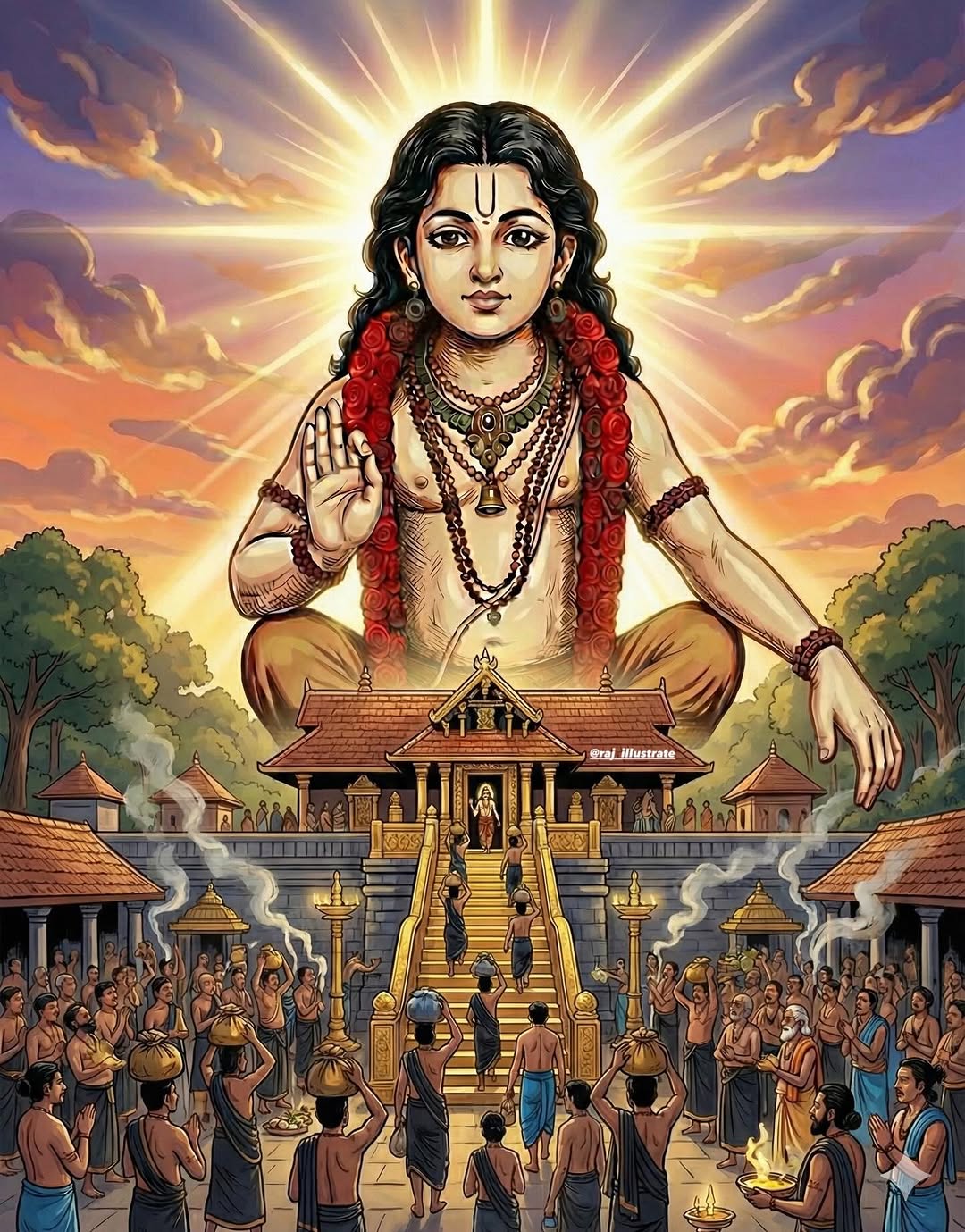
Pathanamthitta District (Periyar Tiger Reserve), Kerala, India
Sabarimala Sri Dharma Sastha Temple
Sabarimala is a major Hindu pilgrimage site situated deep within the lush forests of the Periyar Tiger Reserve in Kerala's Pathanamthitta district. Dedicated to Lord Ayyappa, it attracts tens of millions of devotees annually, making it one of the largest active pilgrimage sites in the entire world.
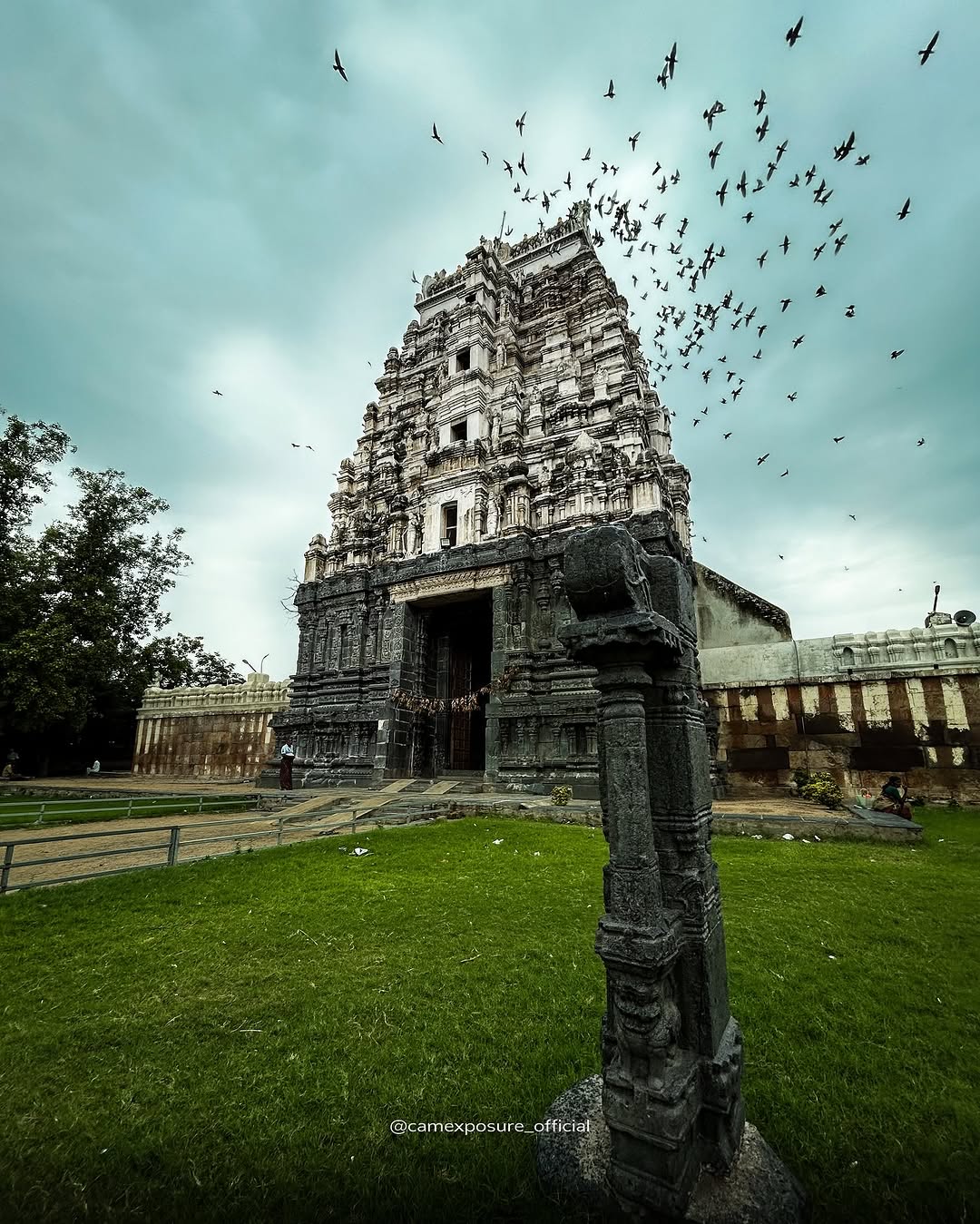
Mulki, Dakshina Kannada District, Karnataka, India
Sri Venkataramana Temple
Situated on the serene banks of the Shambhavi River, the Sri Venkataramana Temple in Mulki is one of the most prominent and spiritually vibrant temples of the GSB diaspora. While Lord Venkataramana is the presiding deity, the temple is globally renowned among its devotees for housing an incredibly powerful, ancient idol of Lord Ugra Narasimha.
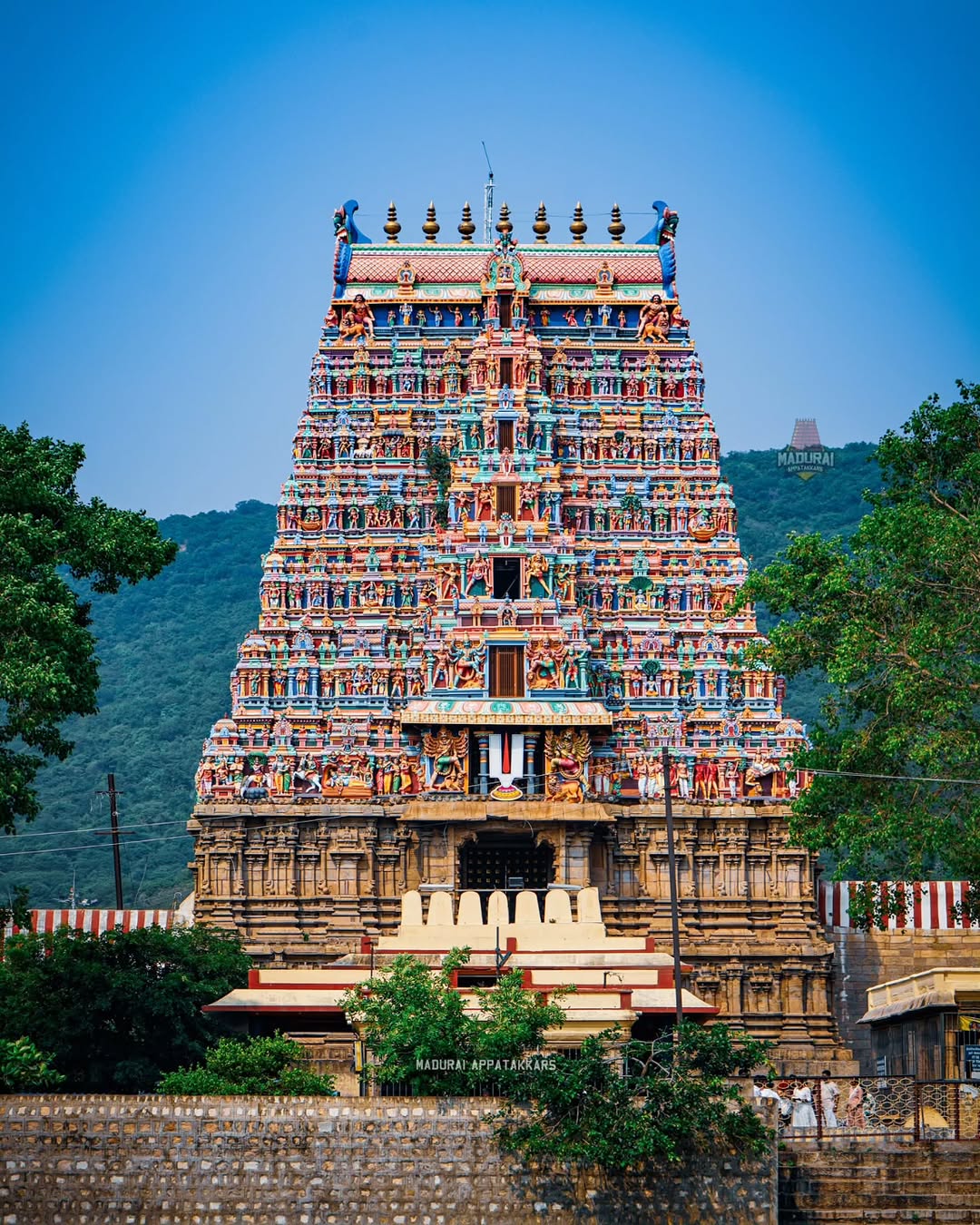
Narasingam (Othakadai), Madurai District, Tamil Nadu, India
Narasingam Yoga Narasimha Perumal Temple
Nestled at the foothills of the magnificent Yanaimalai (Elephant Hill), the Narasingam Yoga Narasimha Perumal Temple is a stunning 8th-century rock-cut cave shrine. It is an extraordinary specimen of Early Pandya architecture and serves as a serene, spiritually charged sanctuary where Lord Narasimha is worshipped in his calm, meditative posture.
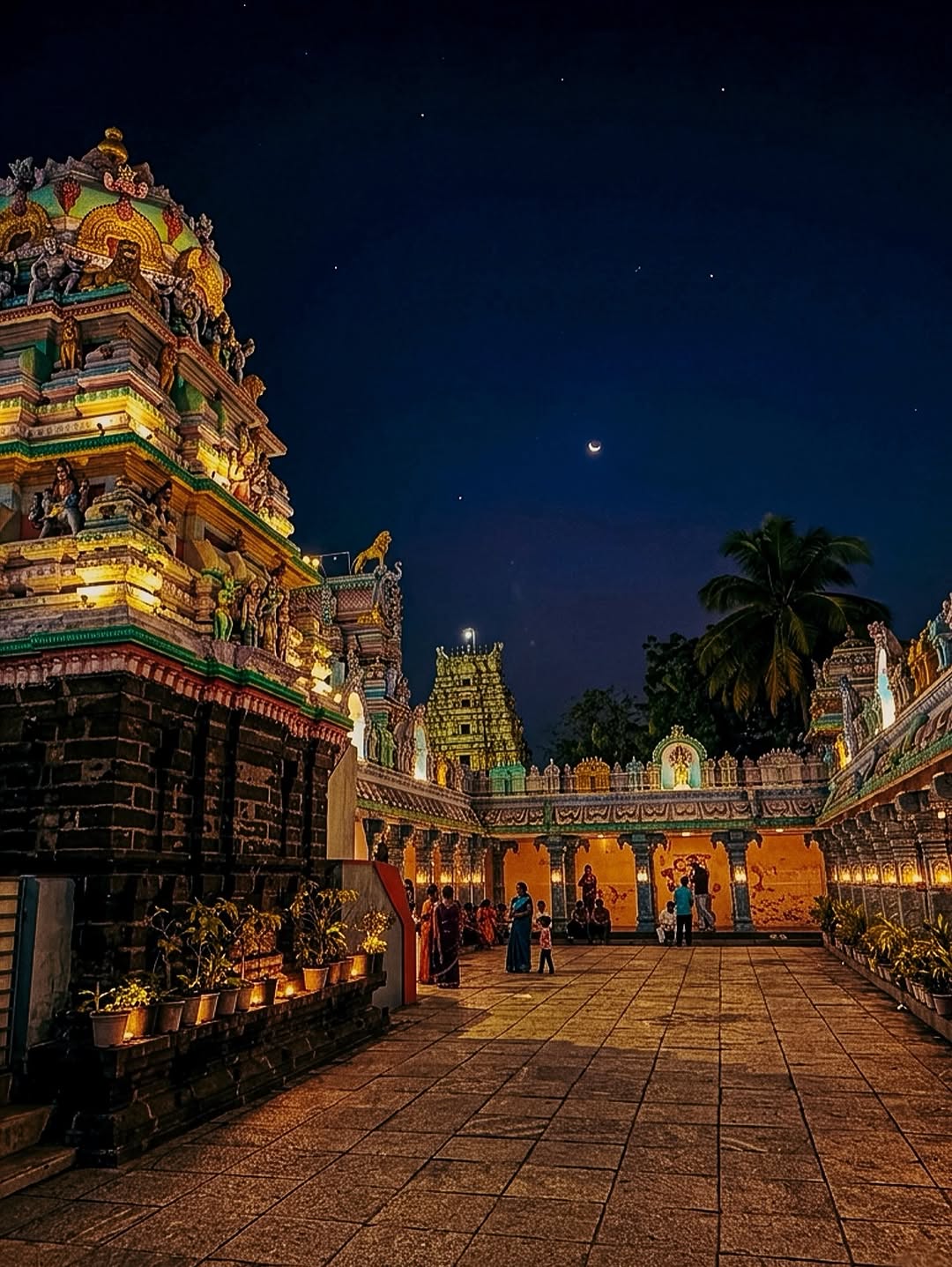
Antarvedi, Konaseema District, Andhra Pradesh, India
Sri Lakshmi Narasimha Swamy Temple
Located at the breathtaking confluence (Sangamam) where the Vashishta branch of the Godavari River merges with the Bay of Bengal, the Antarvedi Temple is deeply revered as 'Dakshina Kashi' (Kashi of the South). It is one of the celebrated Navanarasimha Kshetras (nine holy abodes of Narasimha) in Andhra Pradesh, drawing millions who seek purification in its sacred waters.
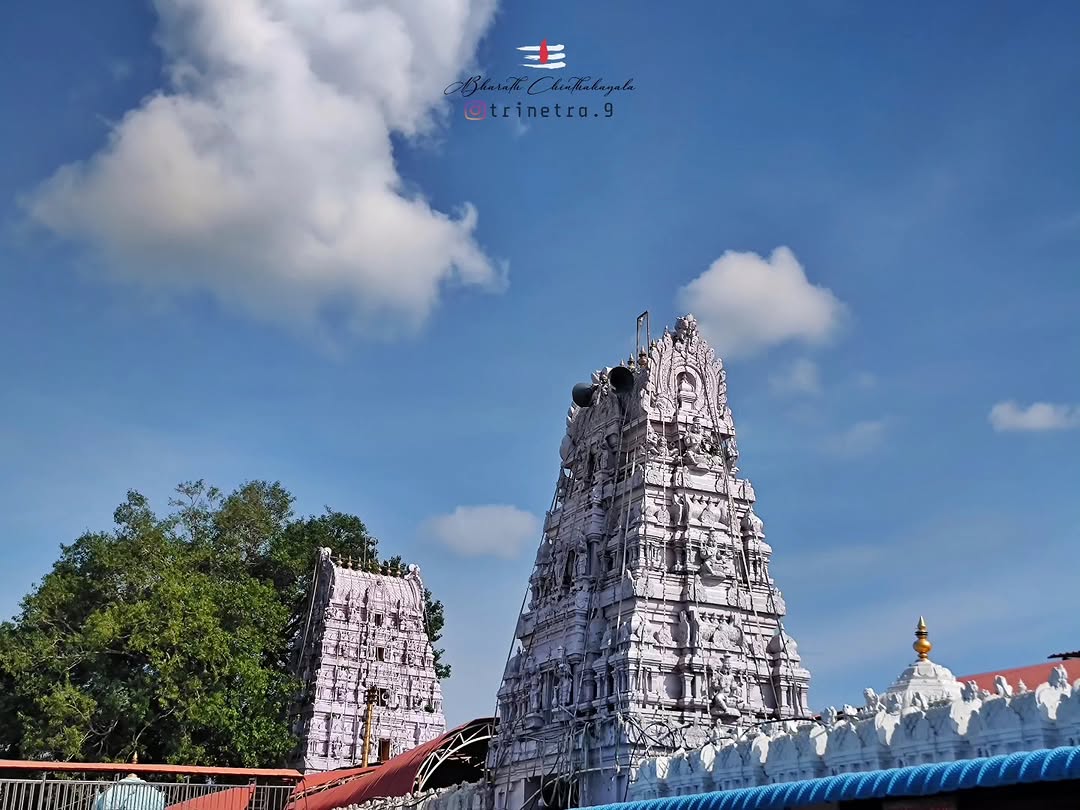
Vemulawada, Rajanna Sircilla District, Telangana, India
Sri Raja Rajeshwara Swamy Temple
Popularly known as 'Dakshina Kashi' (Kashi of the South), the Sri Raja Rajeshwara Swamy Temple at Vemulawada is one of the most prominent and powerful Shiva temples in Telangana. The presiding deity is lovingly called 'Rajanna' by his devotees. The temple complex is a profound symbol of religious harmony, famously housing a Muslim Dargah right within its sacred inner precincts.
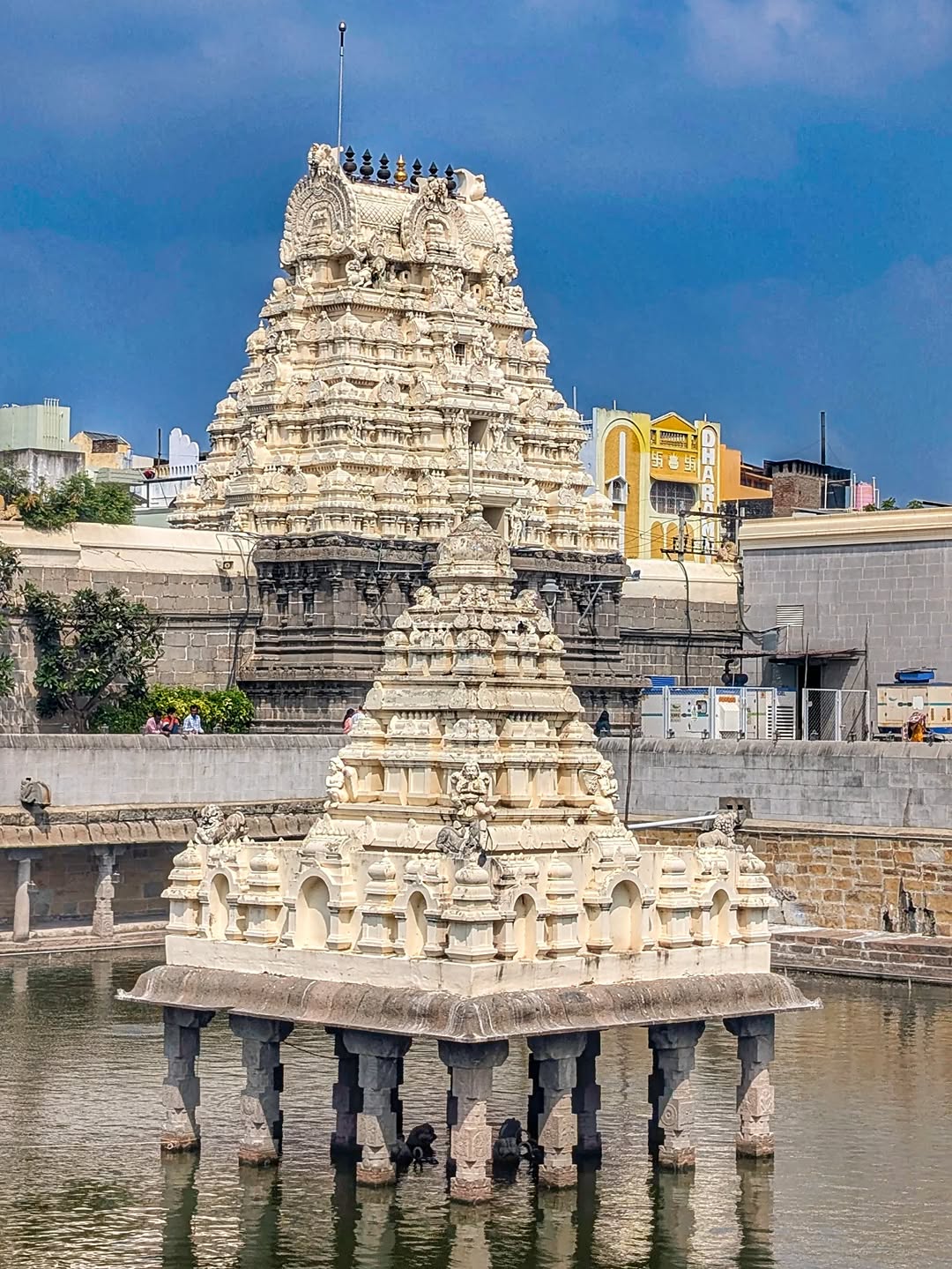
Kanyakumari, Tamil Nadu, India
Bhagavathy Amman Temple
Situated at the absolute southernmost tip of mainland India where three mighty oceans meet, the Kumari Amman Temple is a breathtaking coastal shrine dedicated to the virgin Goddess Kanya Kumari. It is revered as one of the 51 Shakti Peethas and stands as an eternal symbol of purity, penance, and divine power.
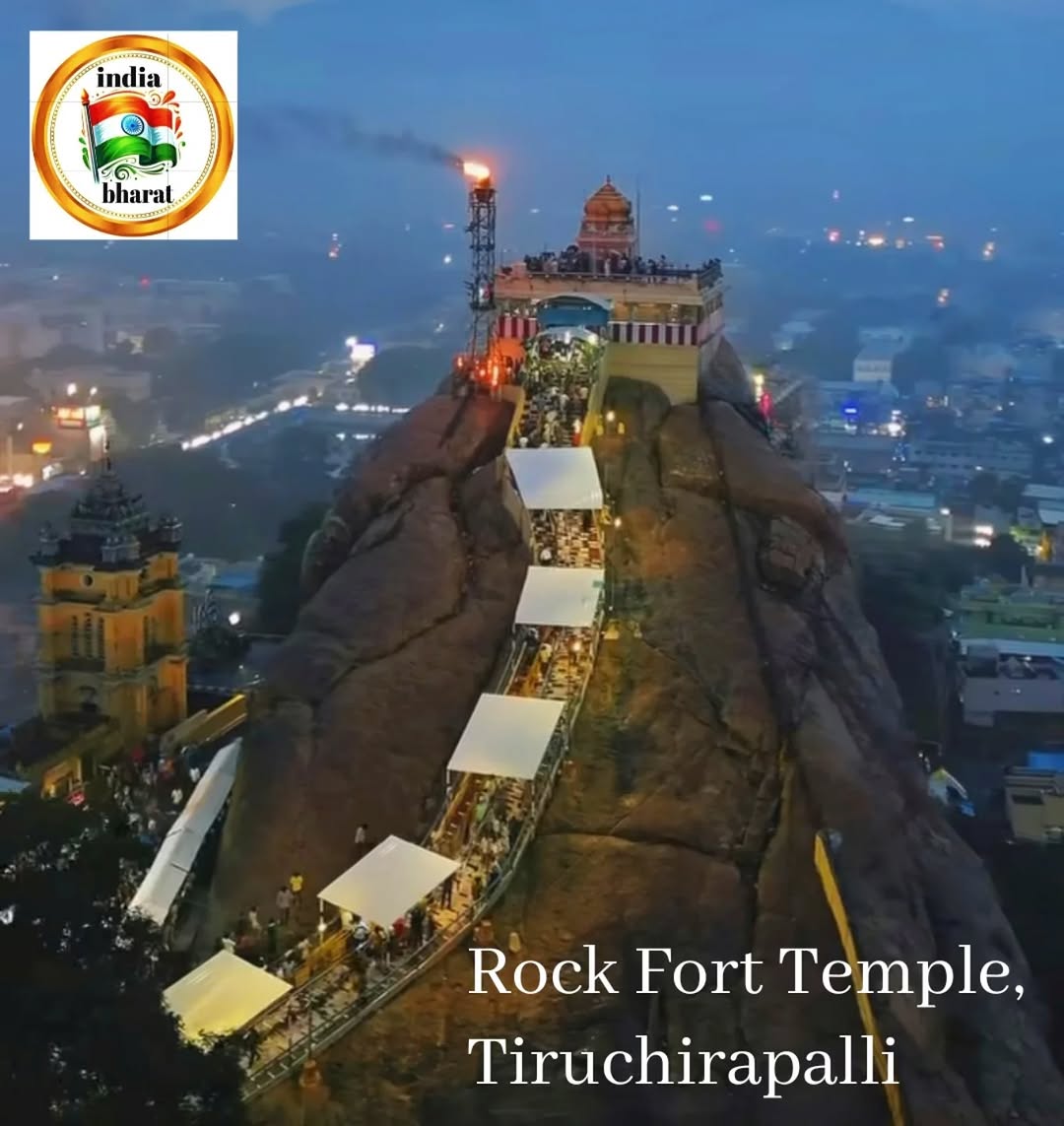
Tiruchirappalli (Trichy), Tamil Nadu, India
Ucchi Pillayar and Thayumanaswami Temple
Malaikottai, globally known as the Trichy Rockfort, is a spectacular historic fortification and temple complex built on a massive 83-meter-high rock. The complex houses two major shrines: the Thayumanaswami (Shiva) Temple located midway up the rock, and the iconic Ucchi Pillayar (Ganesha) Temple perched at the very summit, offering breathtaking panoramic views of the Kaveri River and Srirangam.
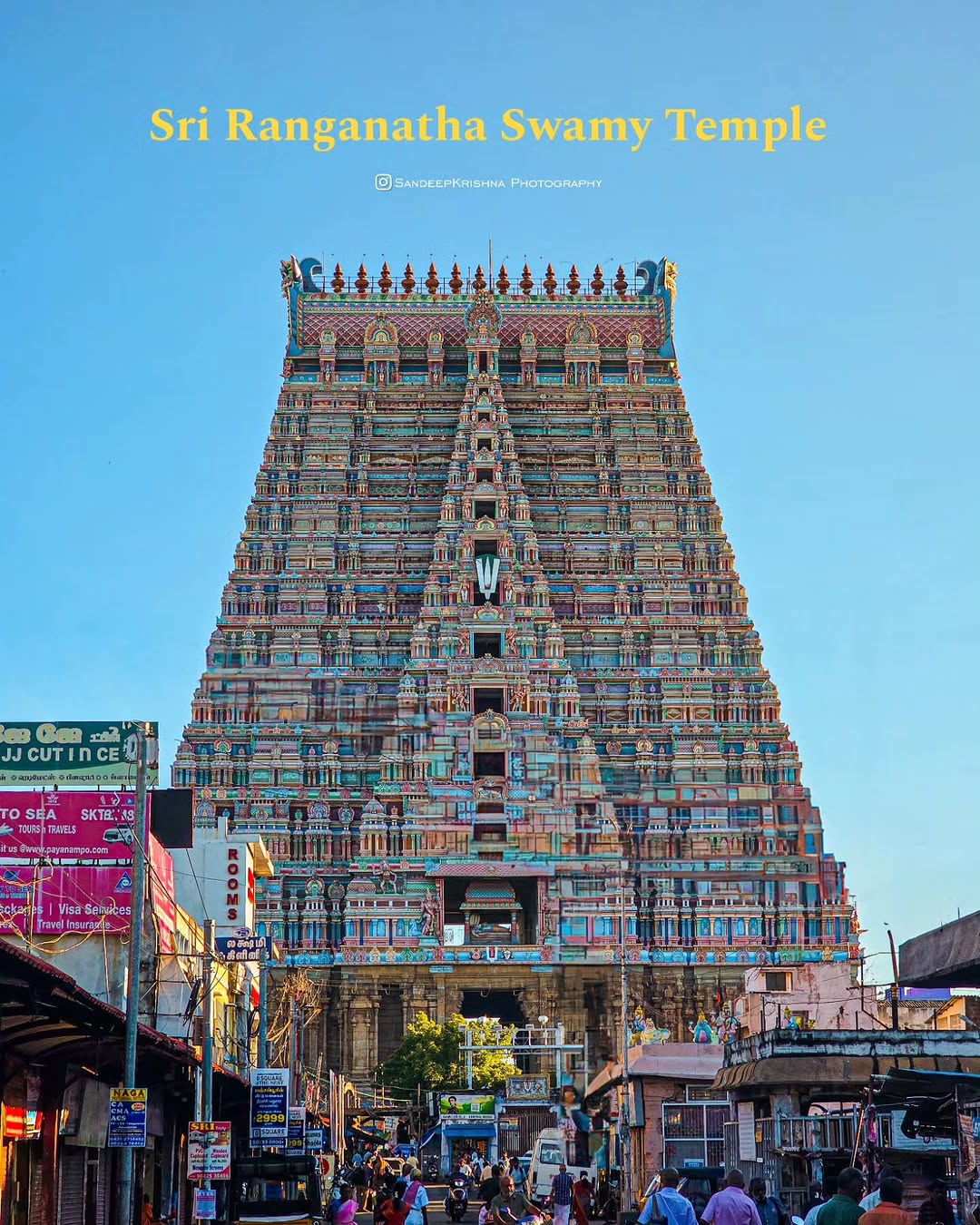
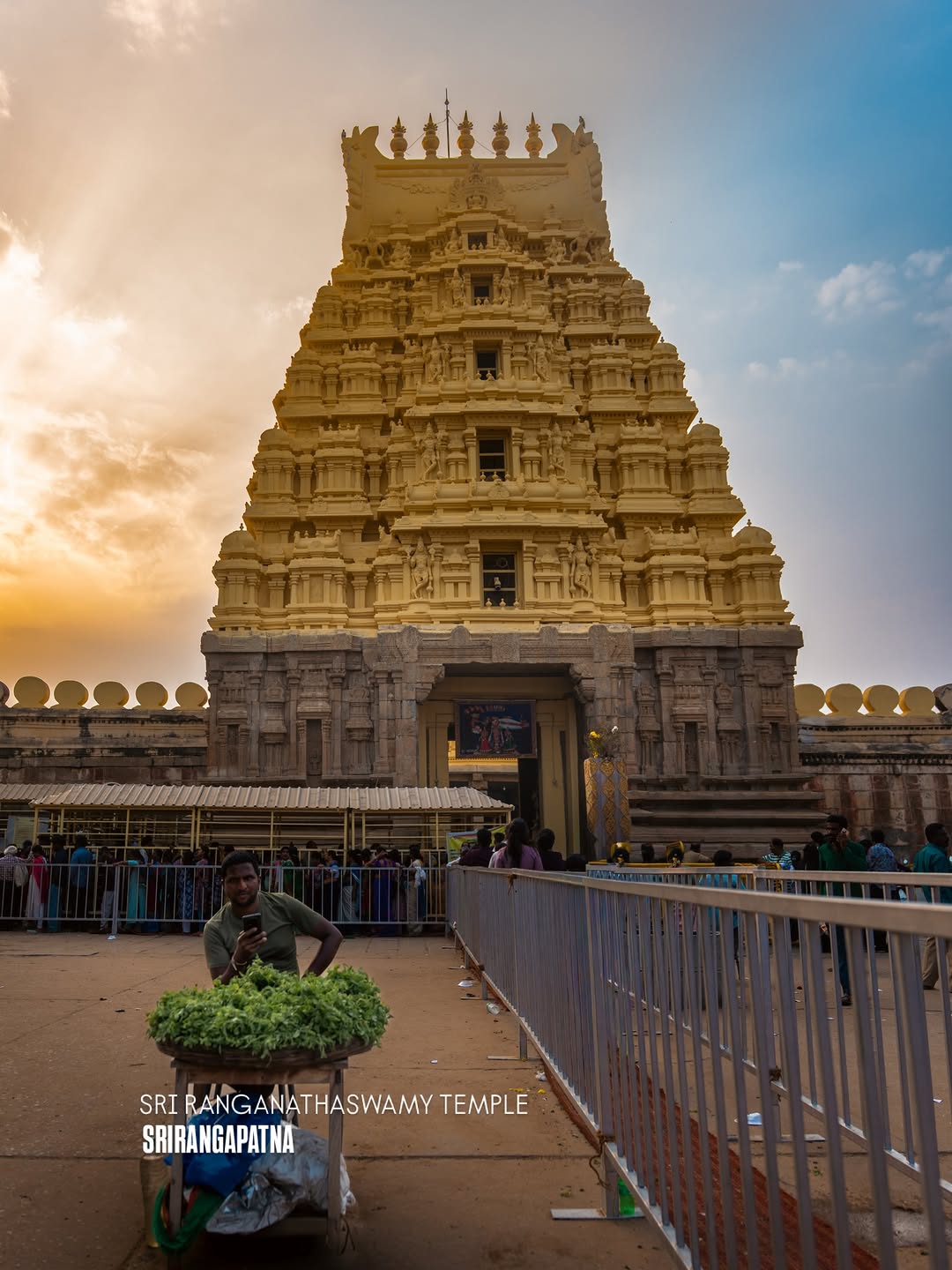
Srirangam, Tiruchirappalli (Trichy), Tamil Nadu, India
Sri Ranganathaswamy Temple
Enclosed by the Kaveri and Kollidam rivers, the Sri Ranganathaswamy Temple in Srirangam is a staggering architectural marvel and the foremost of the 108 Divya Desams. Spanning 156 acres, it is the largest functioning Hindu temple complex in the world, revered by millions as 'Bhoologa Vaikuntham' (Heaven on Earth).
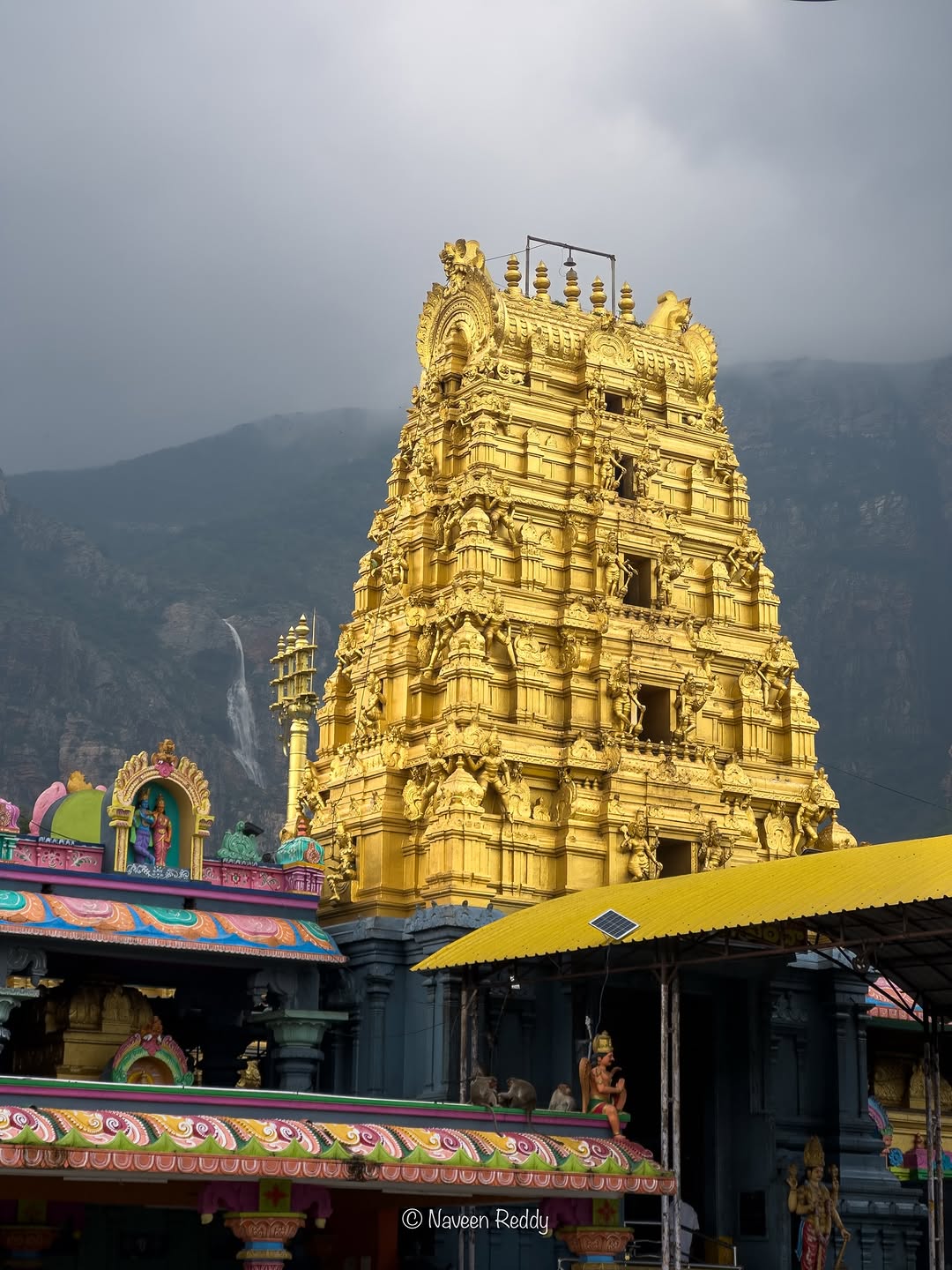
Penchalakona, Nellore District, Andhra Pradesh, India
Sri Penusila Lakshmi Narasimha Swamy Temple
Nestled deep within the lush, pristine forests of the Veligonda hills in the Eastern Ghats, the Penchalakona Temple is a highly revered Vaishnavite shrine. It is uniquely famous for its presiding deity, who is not a carved idol, but a massive, self-manifested rock (Penusila) representing the fierce Lord Narasimha calmed by Goddess Lakshmi.
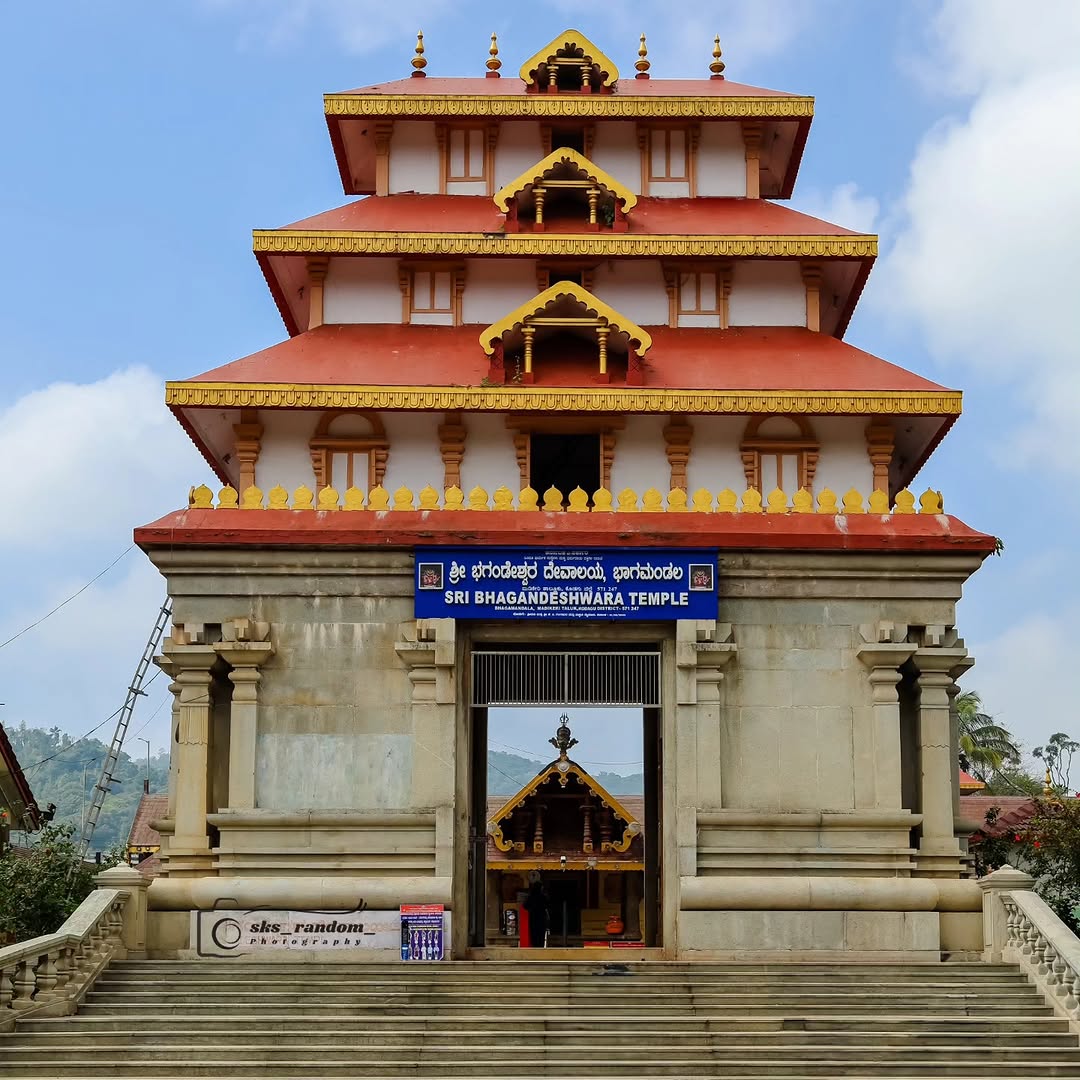
Bhagamandala, Kodagu (Coorg) District, Karnataka, India
Sri Bhagandeshwara Temple
Nestled in the lush, misty valleys of Coorg, the Sri Bhagandeshwara Temple is a deeply sacred pilgrimage site situated exactly at the 'Triveni Sangam'—the confluence of three rivers. It serves as the mandatory spiritual gateway for millions of devotees making their way up the mountain to Talakaveri, the birthplace of the river Kaveri.
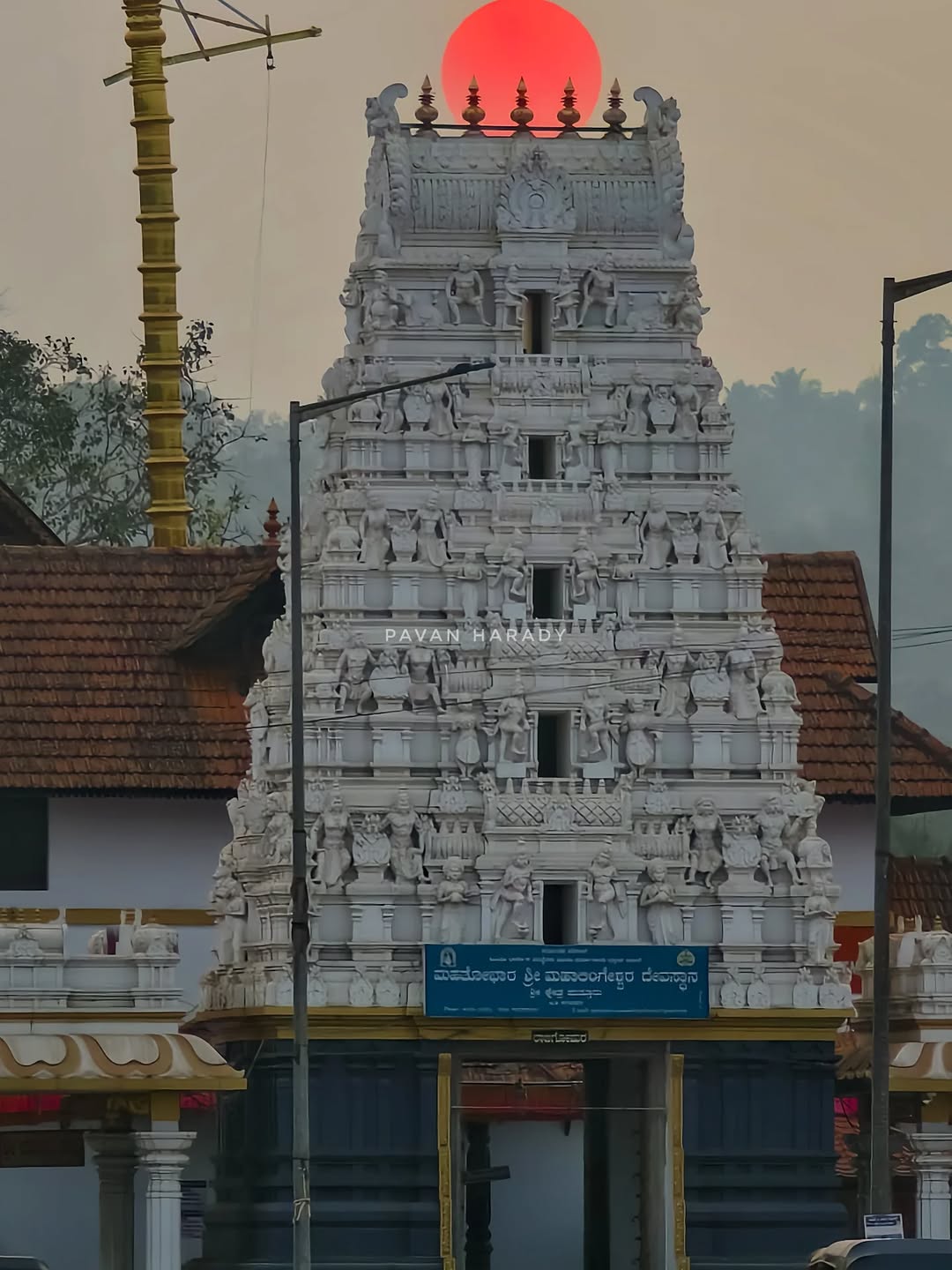
Puttur, Dakshina Kannada District, Karnataka, India
Sri Mahalingeshwara Temple
The Sri Mahalingeshwara Temple in Puttur is a majestic 12th-century Shaivite shrine in coastal Karnataka. Known for its rich mythology involving ancient Brahmins and local kings, the temple is uniquely famous for its absolute ban on elephants within its premises and its spectacular annual firecracker festival.
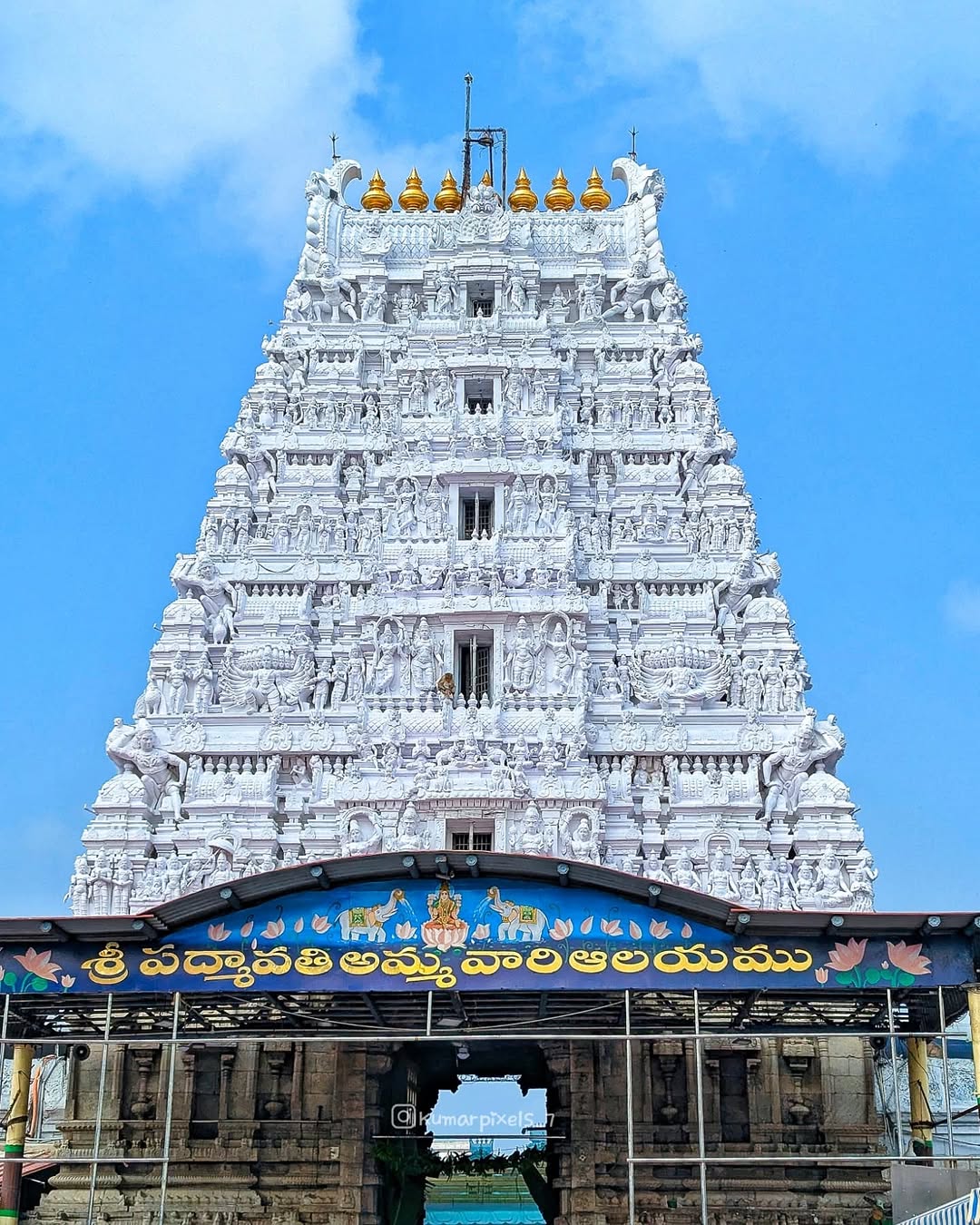
Tiruchanur, Tirupati District, Andhra Pradesh, India
Sri Padmavati Ammavaari Temple
Tirumala Srivari dharmapatni Sri Padmavati Ammavaari divya kshetram idi. Tirupati ki daggara unna Tiruchanur lo ee temple koluvai undi. 'Alamelumangapuram' ani kooda dhenni pilustharu. Ammavaaru ikkada swayamga velasaru ani bhakthula nambika. Tirumala Venkateswara Swamy vari darshanam chesukunna prathi okkaru ikkadiki vachhi Ammavaari aashissulu pondhadam ondu acharam.
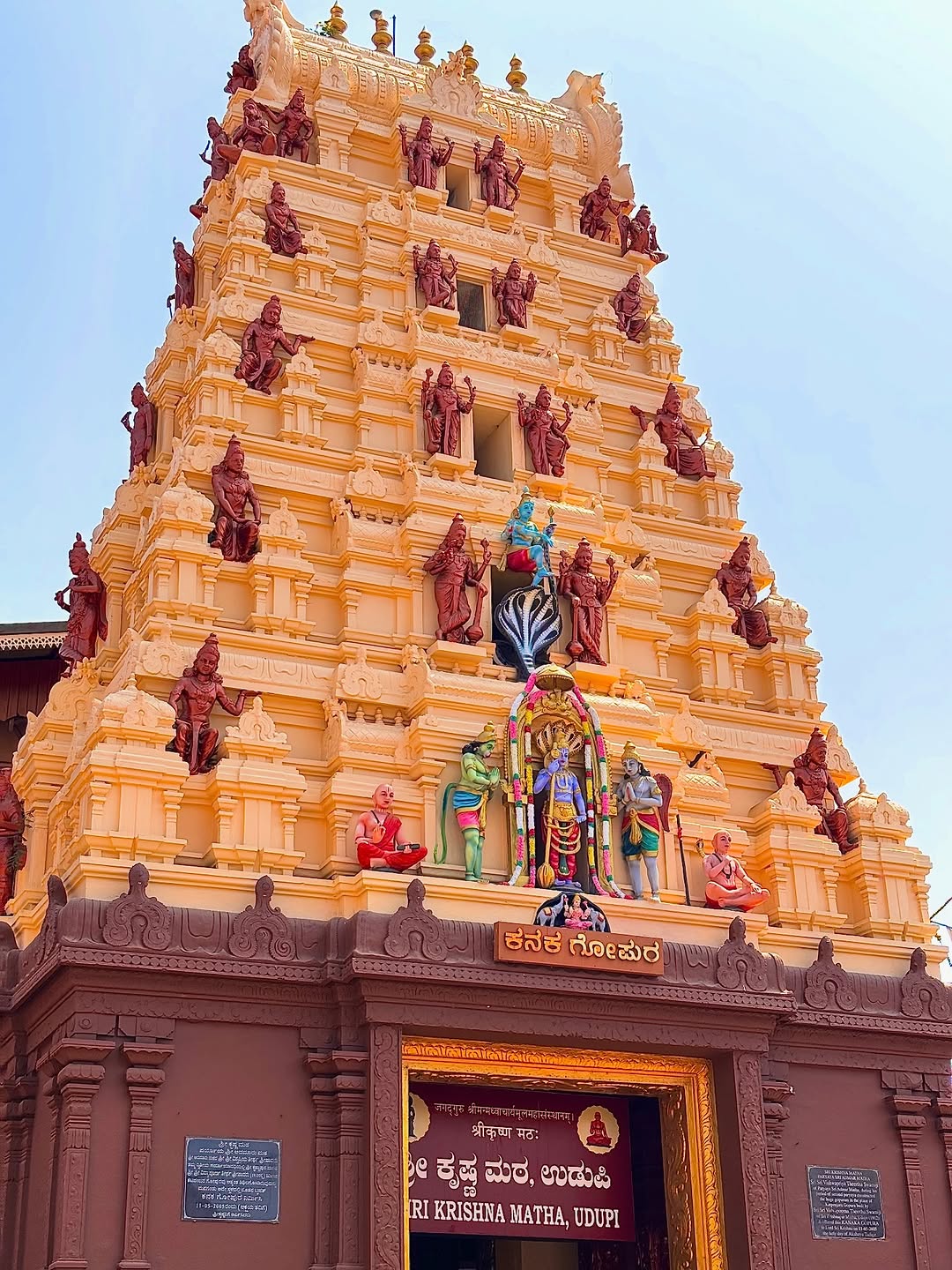
Udupi, Karnataka, India
Sri Krishna Matha
The Sri Krishna Matha in Udupi is one of the most sacred Vaishnavite pilgrimage sites in India. Known worldwide for its unique Dvaita philosophy, legendary Anna Dhanam (mass feeding), and the beautiful idol of child Krishna, the temple stands out because devotees do not view the Lord through open doors, but through an intricately carved silver window.
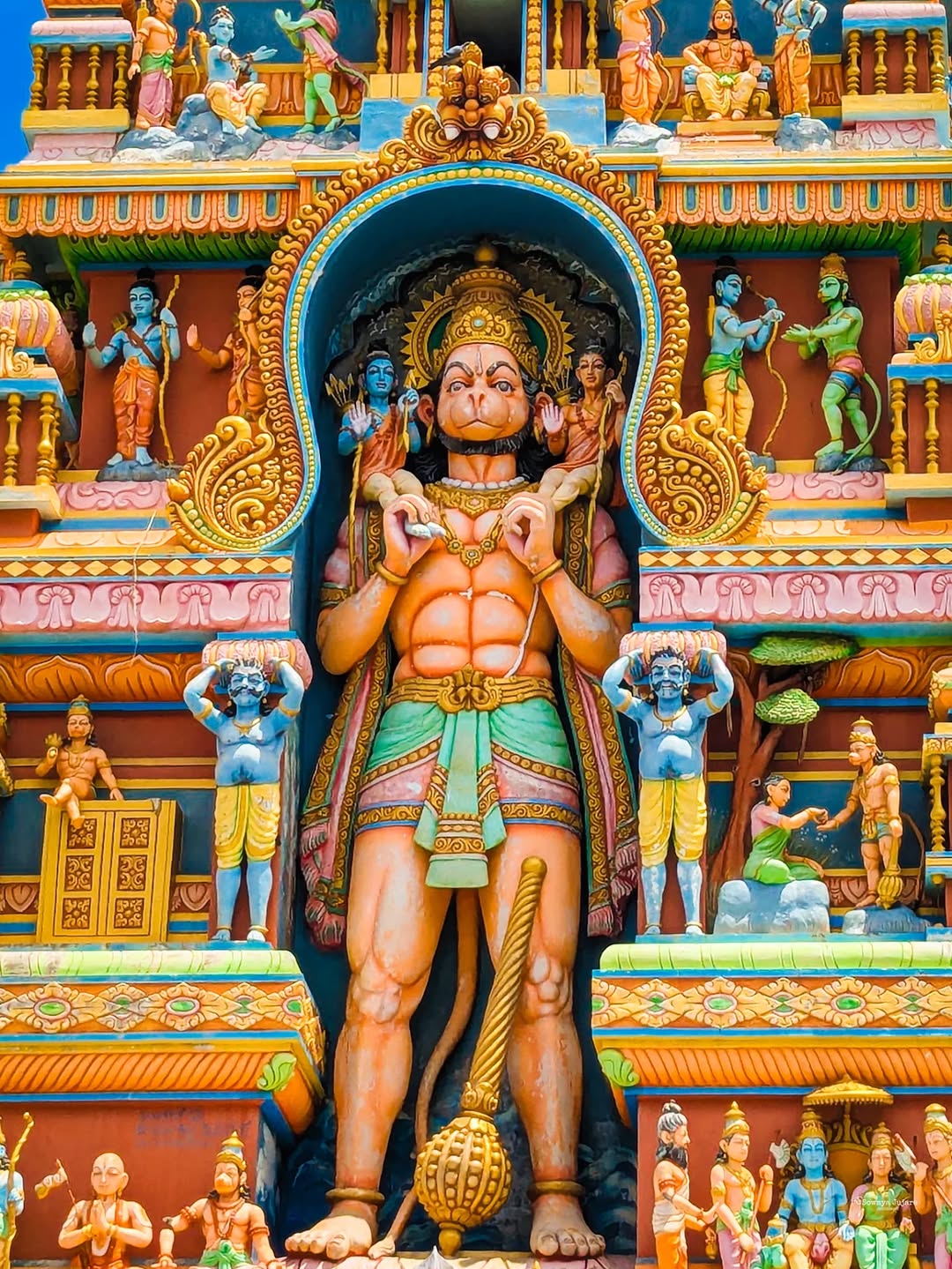
Anegundi (Near Hampi), Koppal District, Karnataka, India
Sri Anjaneya Swamy Temple
Rising dramatically above the lush green paddy fields and the winding Tungabhadra river, Anjanadri Hill is universally revered as the birthplace of Lord Hanuman. Located in Anegundi (the mythical monkey kingdom of Kishkindha), this sacred hill is crowned by a striking, white-washed temple that shines brightly against the rugged, boulder-strewn landscape of the Deccan plateau.
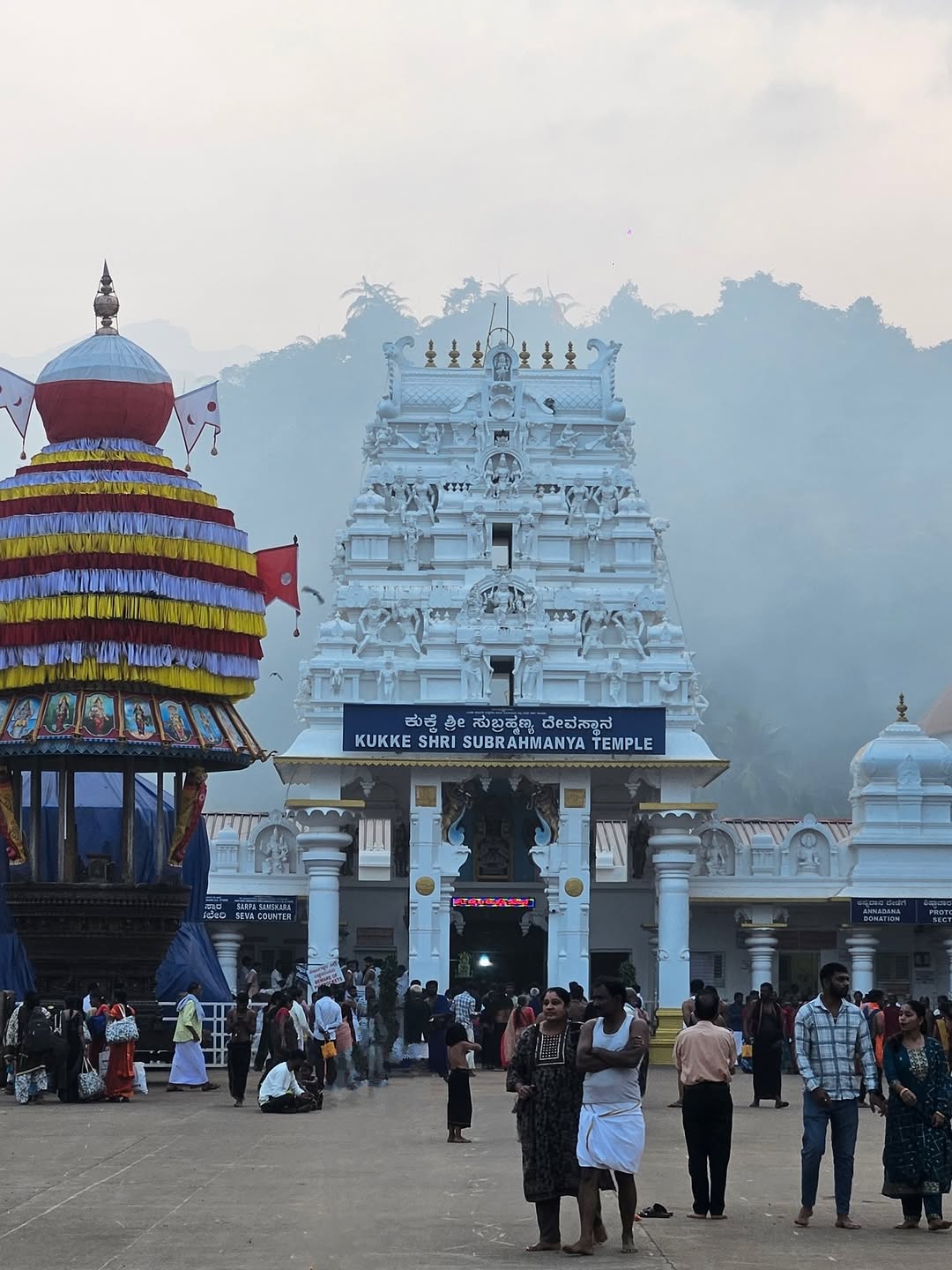
Subramanya, Dakshina Kannada District, Karnataka, India
Sri Kukke Subramanya Temple
Nestled at the foothills of the lush Kumara Parvatha peak in the Western Ghats, the Kukke Subramanya Temple is a premier pilgrimage center. It is globally renowned as the ultimate destination for devotees seeking relief from 'Sarpa Dosha' (serpent curses or astrological afflictions) through specialized, highly complex rituals.
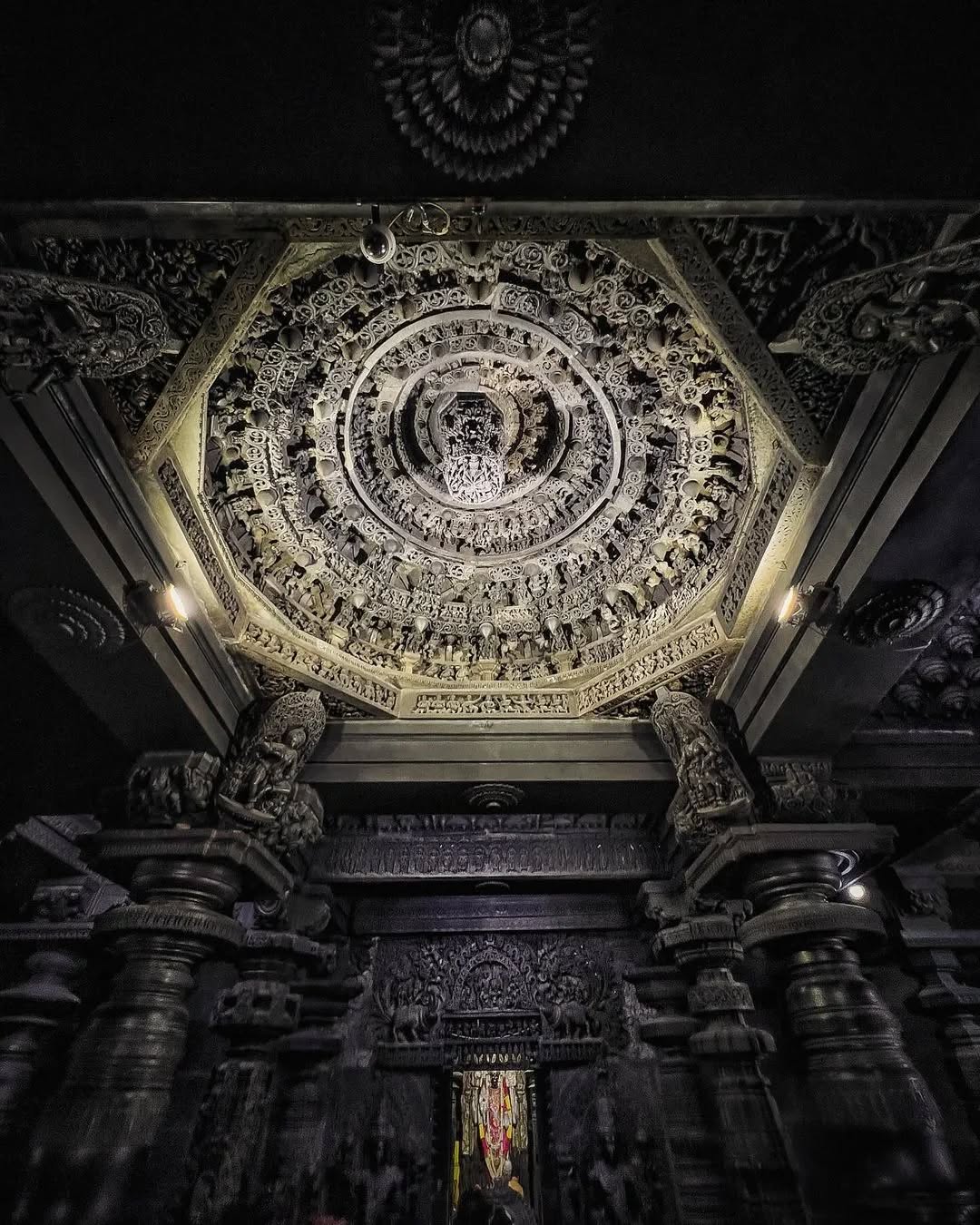
Belur, Hassan District, Karnataka, India
Sri Chennakeshava Temple
Situated on the banks of the Yagachi River, the Sri Chennakeshava Temple is the breathtaking crown jewel of Hoysala architecture. Unlike many ancient ruins, this is a 'living temple' where worship has continued uninterrupted for over 900 years. The name 'Chennakeshava' literally translates to 'Handsome Vishnu', a fitting name for a deity housed in a temple famous for its impossibly intricate, jewelry-like stone carvings.
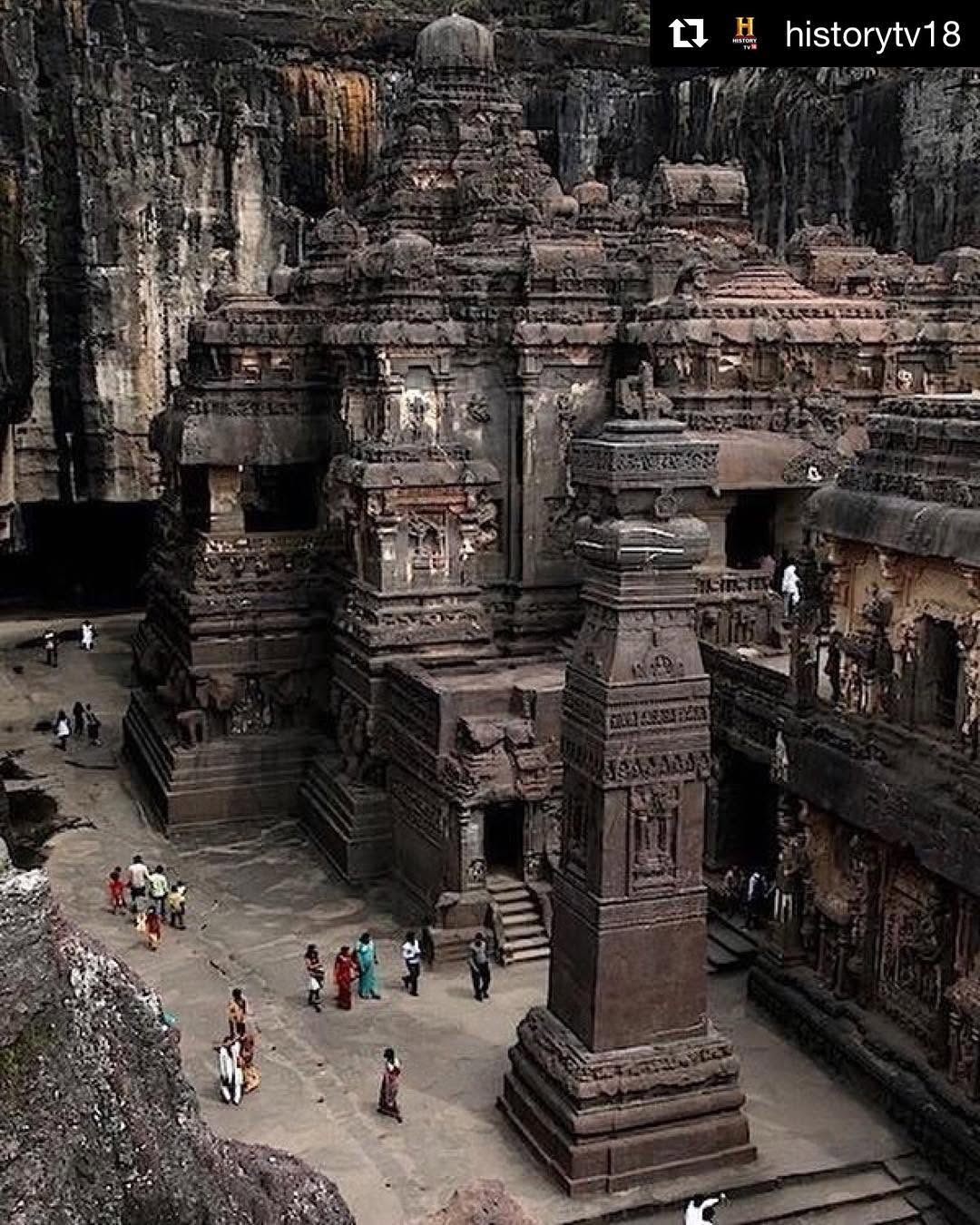
Ellora, Chhatrapati Sambhajinagar District, Maharashtra, India
Kailasa Temple
The Kailasa Temple (Cave 16) at Ellora is an architectural masterpiece of unparalleled scale and ambition. It is the largest monolithic structure in the world, famously carved entirely out of a single, massive block of solid basalt rock. It was designed to physically replicate Mount Kailash, the snow-clad Himalayan abode of Lord Shiva.
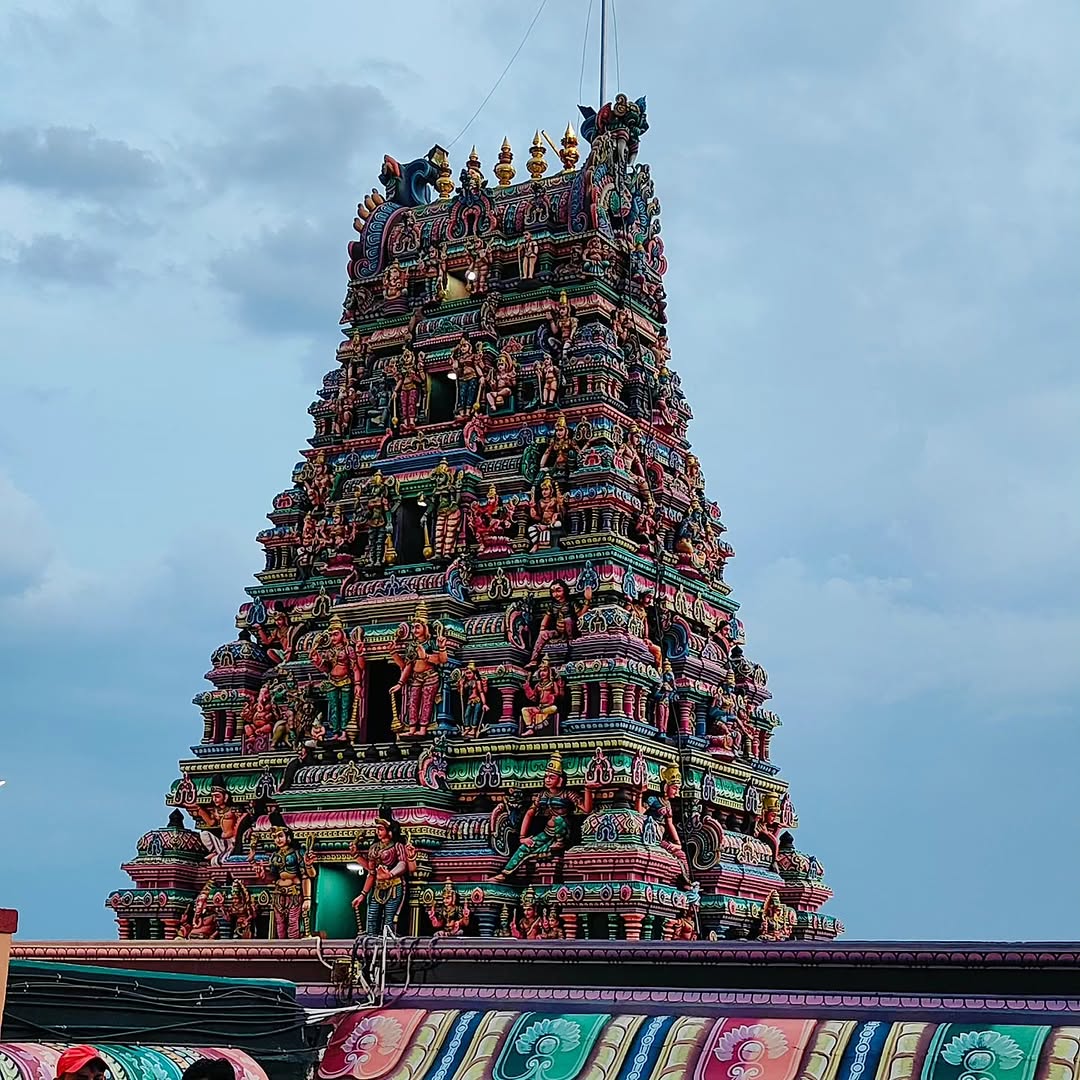
Siruvachur (Near Trichy), Perambalur District, Tamil Nadu, India
Sri Madurai Kaliyamman Temple
Located in Siruvachur along the Trichy-Chennai highway, the Sri Madurai Kaliyamman Temple is a massively popular folk shrine. The temple is famous nationwide for a highly unique rule: it is only open for general worship on Mondays and Fridays. Millions of families across Tamil Nadu revere this fierce, yet deeply protective Goddess as their Kula Deivam.
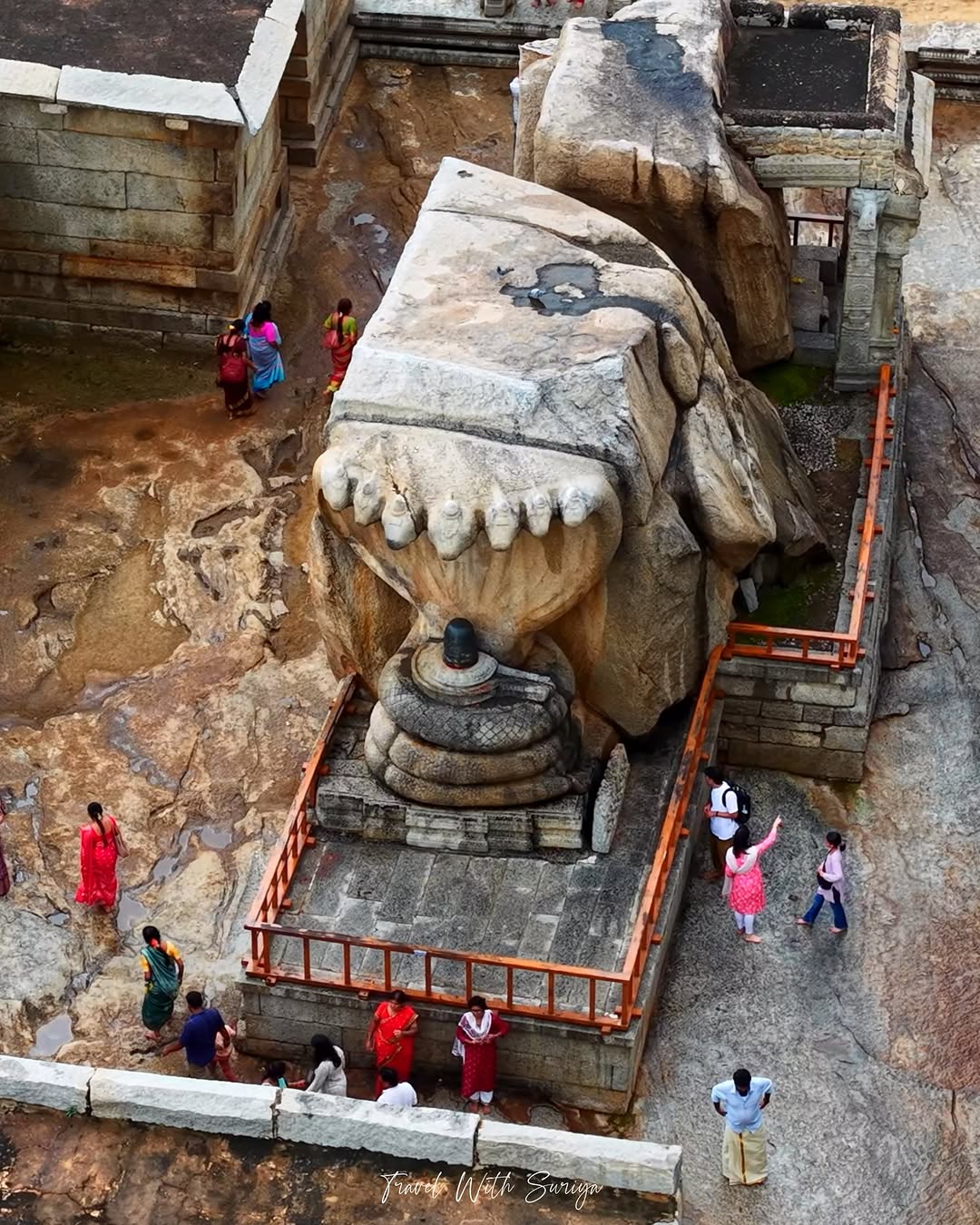
Lepakshi, Sri Sathya Sai District, Andhra Pradesh, India
Sri Veerabhadra Swamy Temple
Built on a low, rocky tortoise-shaped hill known as 'Kurmasaila', the Veerabhadra Temple in Lepakshi is a staggering exhibition of 16th-century Vijayanagara art and engineering. It is globally celebrated for its mysterious hanging pillar, colossal monolithic sculptures, and exquisite ceiling murals that vividly depict the social and religious life of the era.
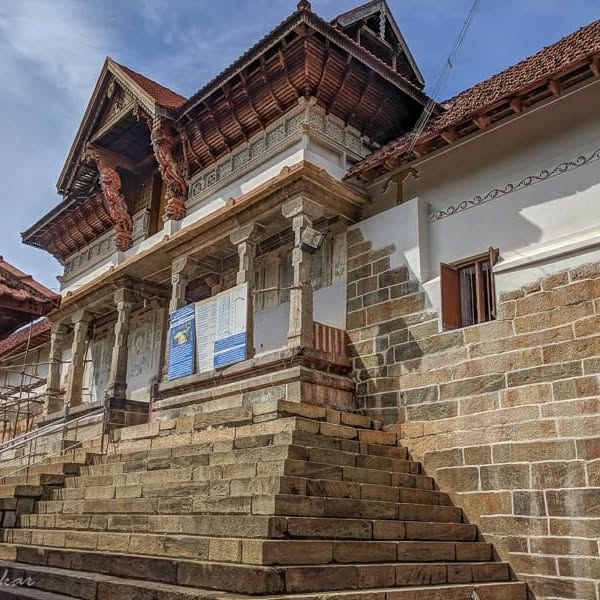
Thiruvattar, Kanyakumari District, Tamil Nadu, India
Sri Adikesava Perumal Temple
Surrounded by the serene Kothai and Parali rivers, the Sri Adikesava Perumal Temple in Thiruvattar is a breathtaking ancient Divya Desam. It is globally renowned for its colossal 22-foot reclining idol of Lord Vishnu—viewed through three distinct doors—and is revered as the architectural and spiritual predecessor to the iconic Padmanabhaswamy Temple in Trivandrum.
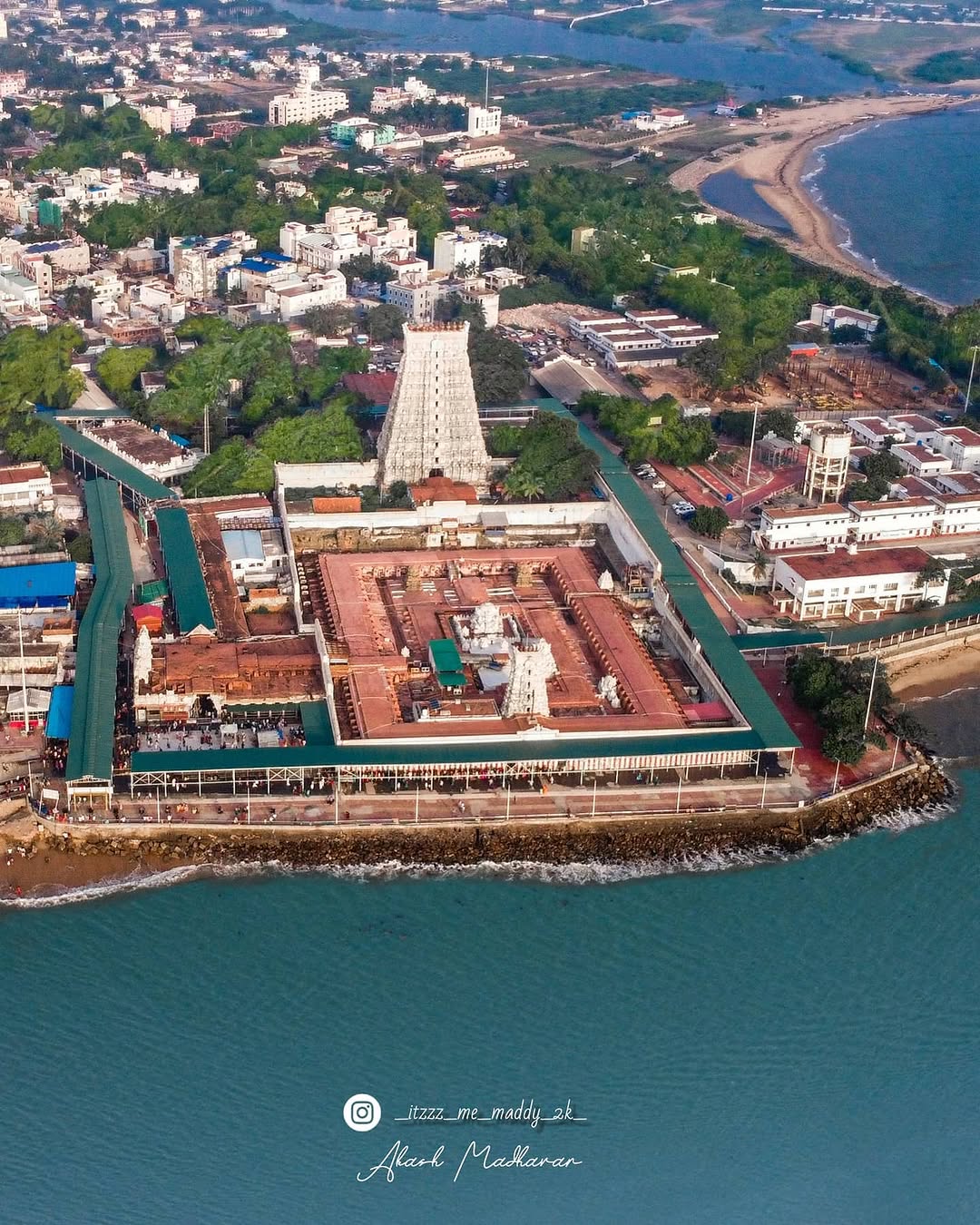
Tiruchendur, Thoothukudi District, Tamil Nadu, India
Arulmigu Subramaniya Swamy Temple
Situated on the red-sand shores of the Bay of Bengal, the Tiruchendur Subramaniya Swamy Temple is the second of the 'Arupadaiveedu' (Six Holy Abodes) of Lord Murugan. It marks the exact epic battlefield where the Lord achieved his ultimate victory over the mighty demon king, Surapadman.
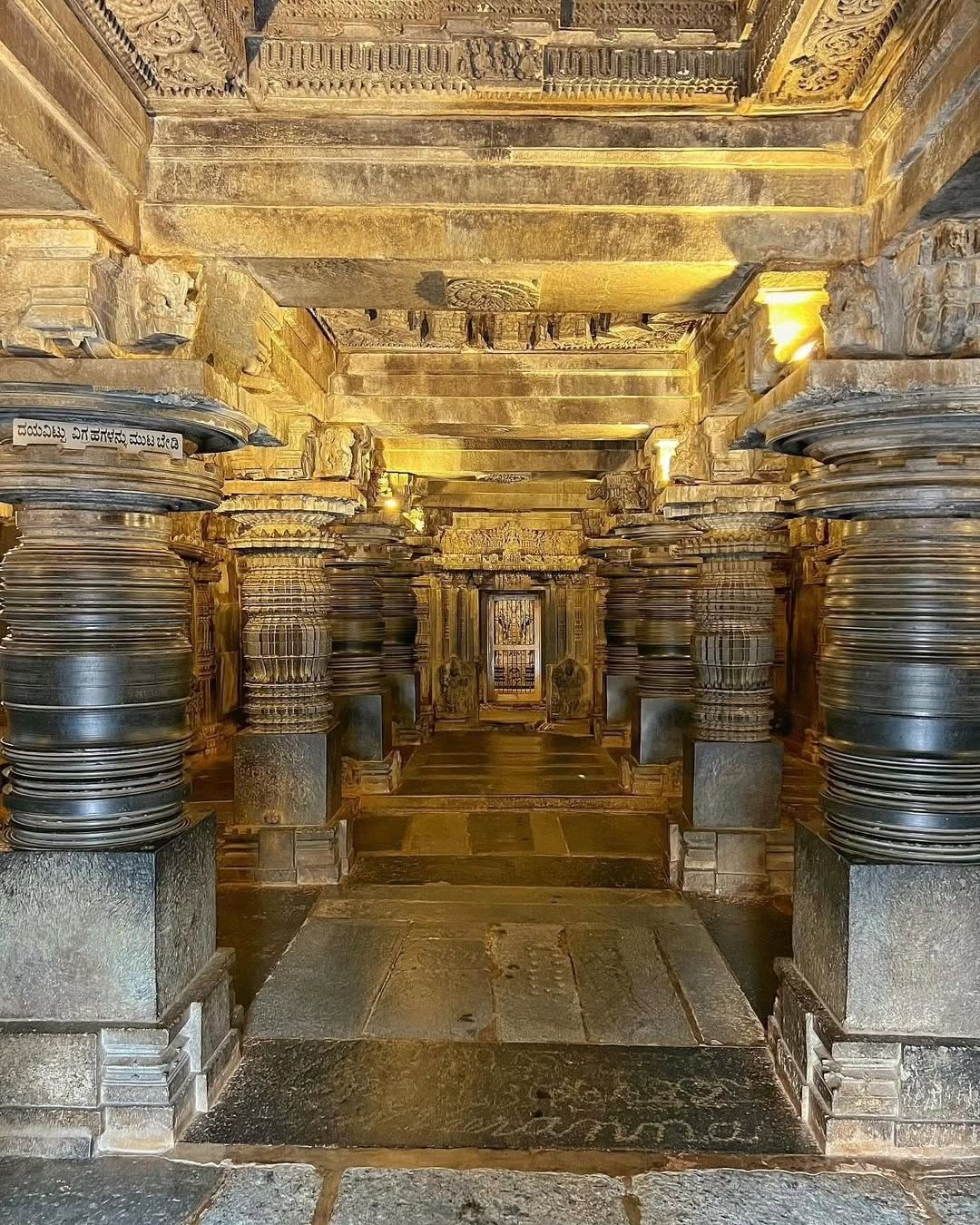
Somanathapura, Mysore District, Karnataka, India
Sri Chennakesava Temple, Somanathapura
Located near the banks of the Kaveri River, the Chennakesava Temple at Somanathapura is a breathtaking masterpiece of Hoysala architecture. Recently designated as a UNESCO World Heritage Site, it is uniquely celebrated because its three intricately carved towers (Vimanas) are perfectly intact, offering a complete, unblemished vision of 13th-century Hoysala grandeur.
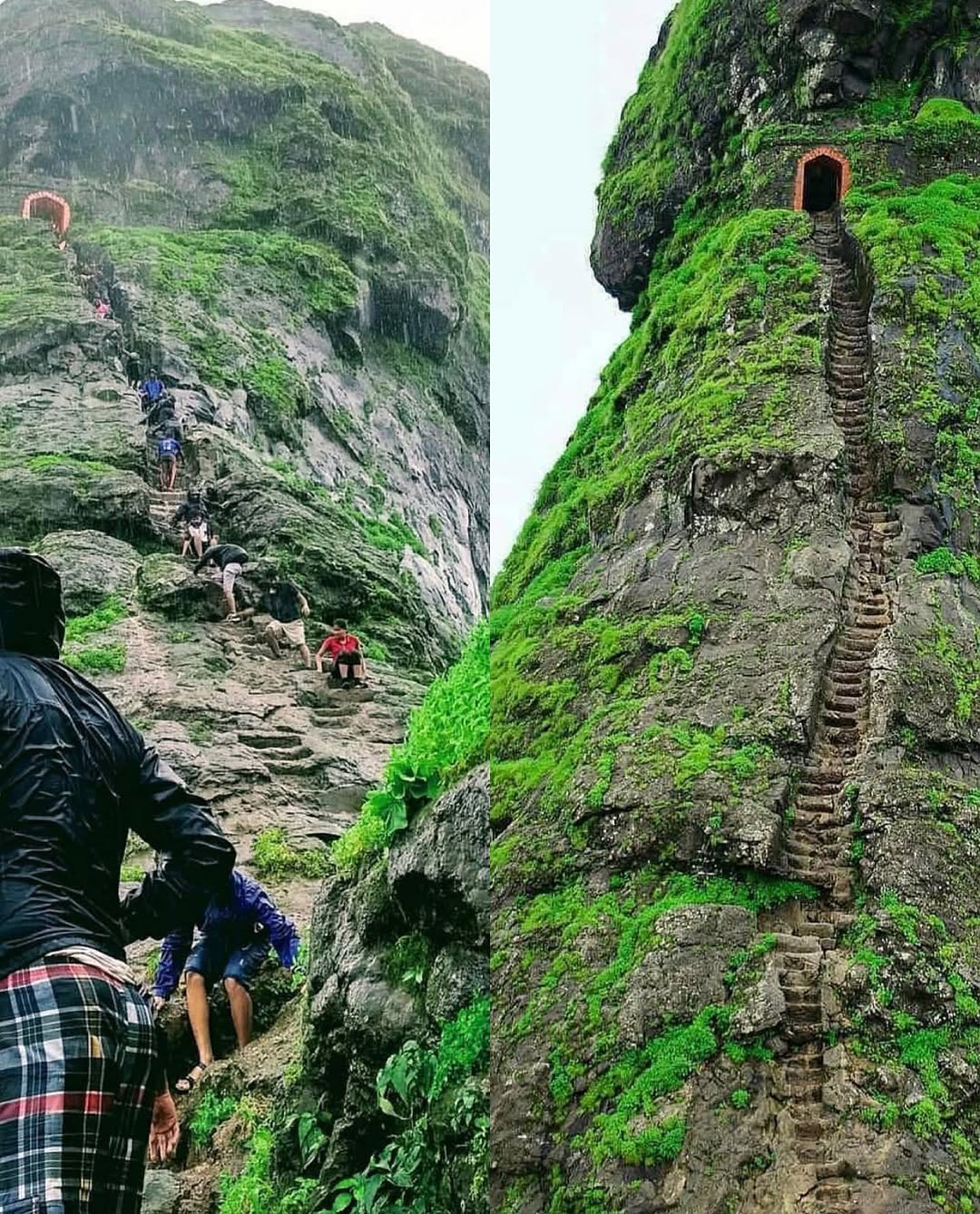
Nashik District (Trimbakeshwar Range), Maharashtra, India
Harihar Fort
Harihar Fort, also known as Harshagad, is a historic hill fort in the Nashik district of Maharashtra. Rising to an elevation of 3,676 feet from sea level, it is famous worldwide for its terrifyingly steep, near-vertical rock-cut steps, making it one of the most thrilling and visually iconic trekking destinations in the Western Ghats.
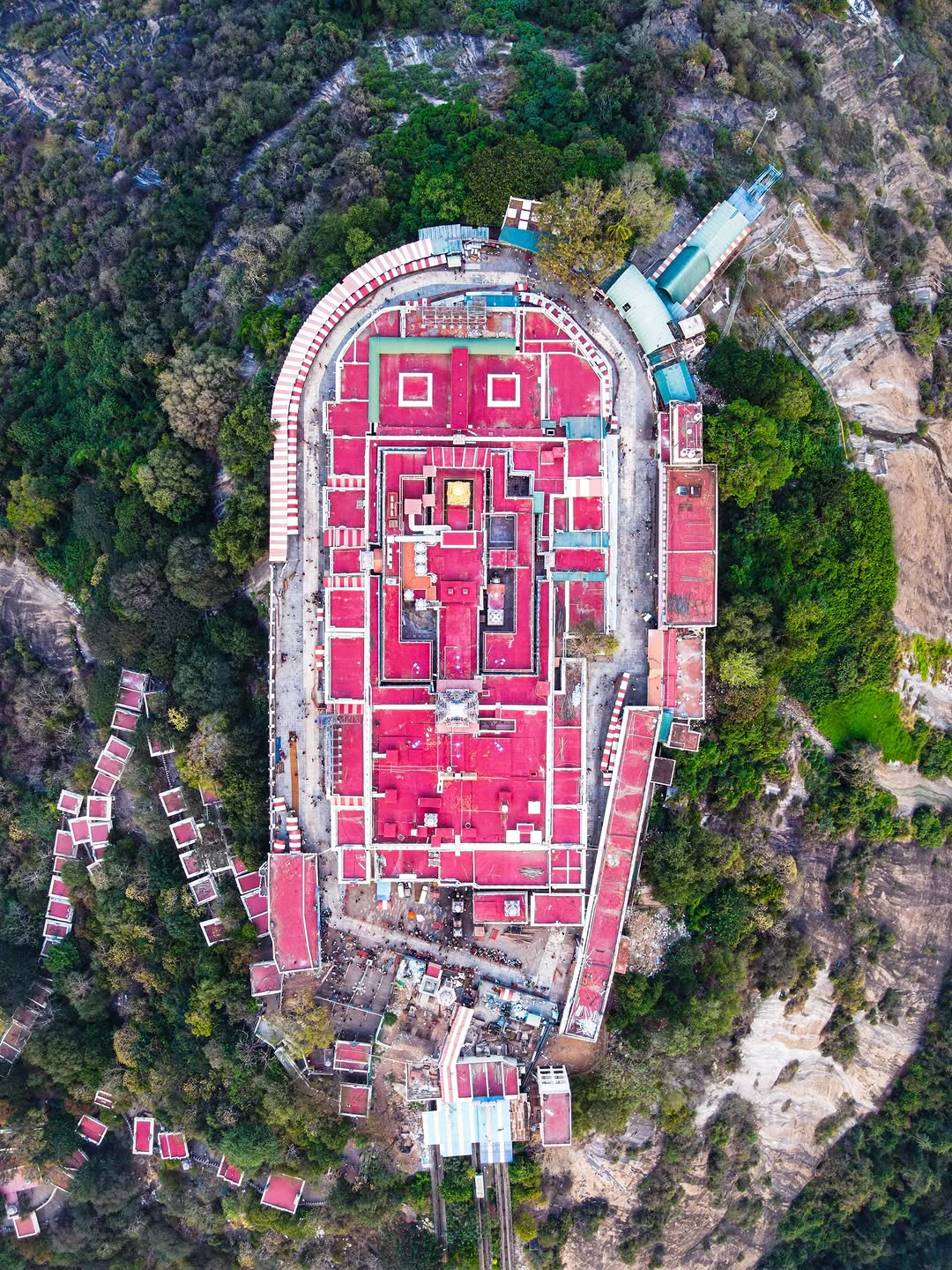
Palani, Dindigul District, Tamil Nadu, India
Arulmigu Dhandayudhapani Swamy Temple
Lord Murugan resides on this hill in Palani as 'Dhandayudhapani', which translates to the Lord holding a 'Dhandam' (staff) in his hand. Among all the Murugan temples in the world, this is incredibly special because the Lord came and settled here as a 'Jnana Panditha' (Lord of Wisdom)—a young ascetic boy who renounced everything.
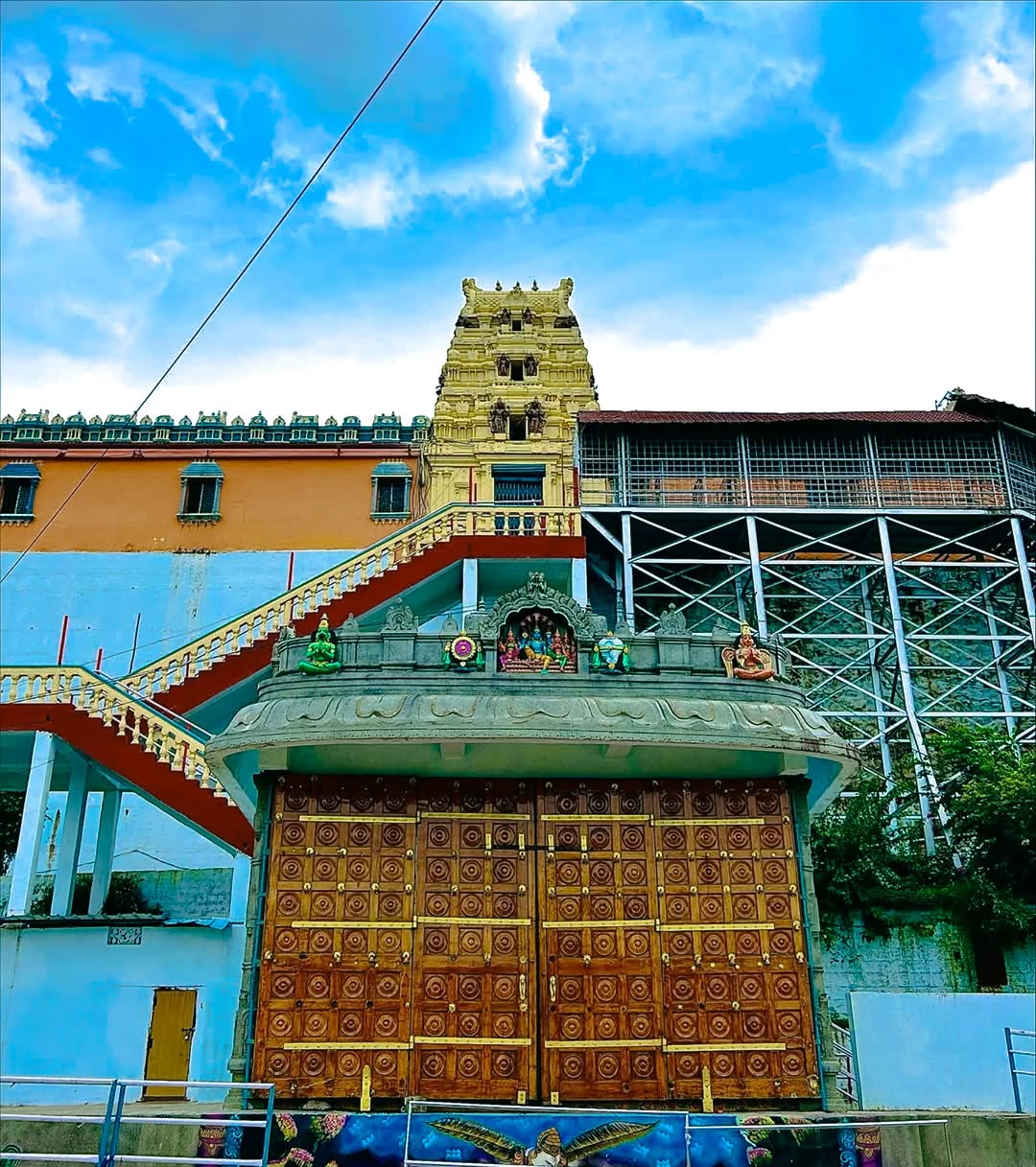
Bhadrachalam, Bhadradri Kothagudem District, Telangana, India
Sri Sita Ramachandraswamy Temple
Situated majestically on the banks of the Godavari River, the Sri Sita Ramachandraswamy Temple at Bhadrachalam is the ultimate destination for Rama devotees in South India. It is uniquely famous for its presiding deity—where Lord Rama is depicted with four arms like Lord Vishnu, with Goddess Sita seated on his lap, and Lakshmana standing by his side.
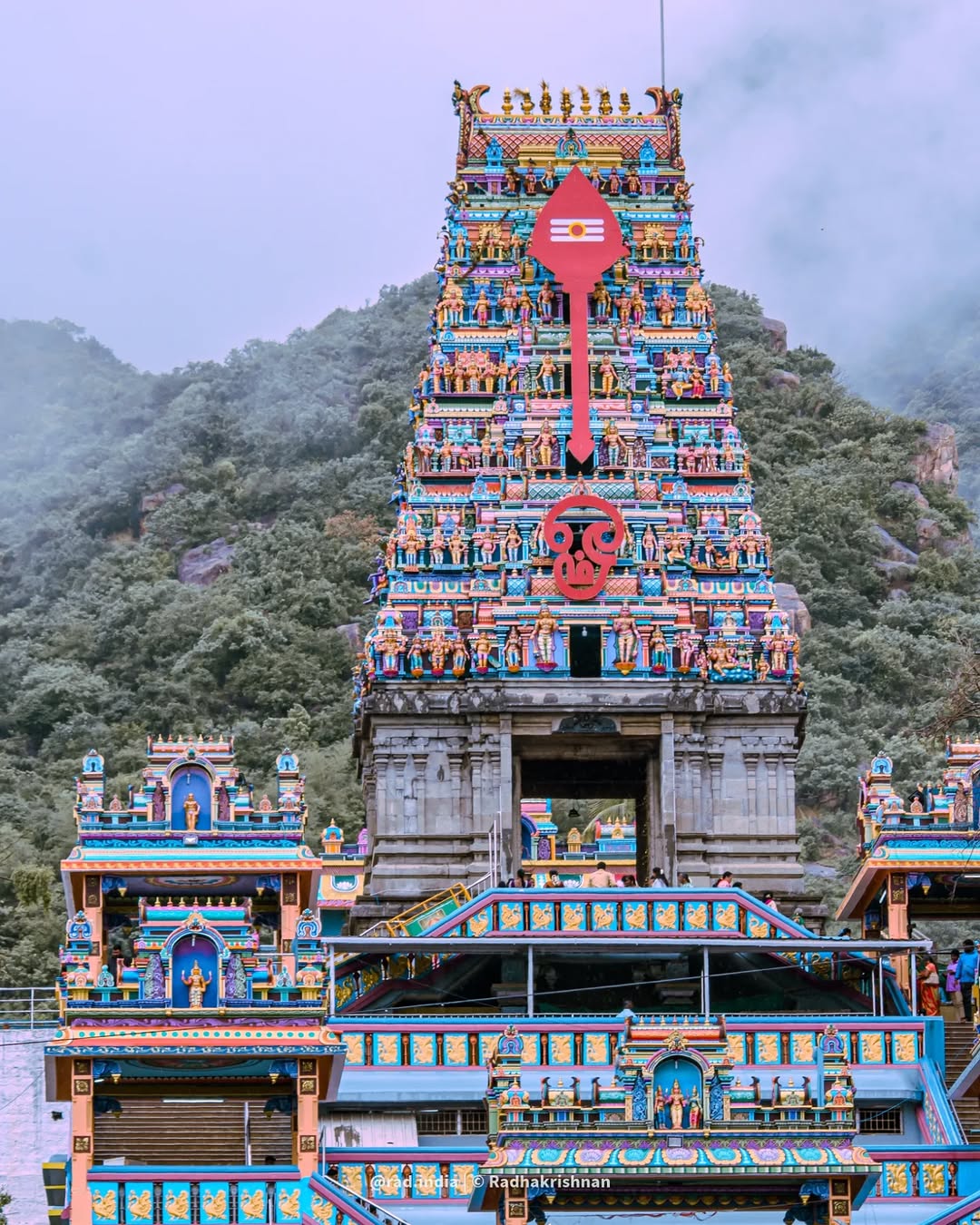
Coimbatore, Tamil Nadu, India
Arulmigu Subramaniya Swamy Temple
Set atop a picturesque, lush green hill in the Western Ghats near Coimbatore, the Maruthamalai Murugan Temple is a spiritual haven. The hill gets its name from the native 'Marudha' trees. Because of its intense spiritual aura and the sheer volume of miracles reported here, millions of devotees lovingly revere it as the unofficial seventh 'Arupadaiveedu' (Sacred Abode) of Lord Murugan.
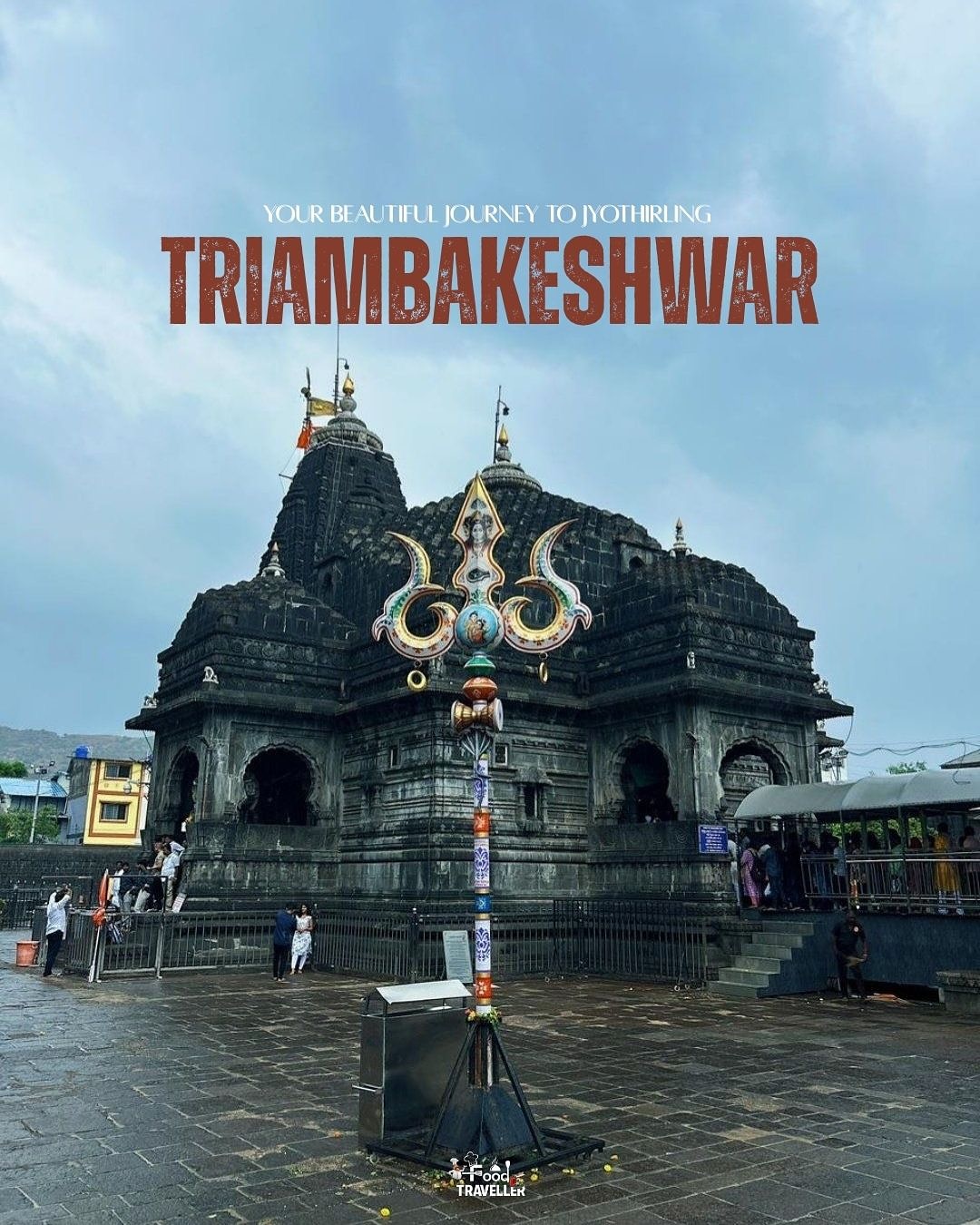
Trimbak, Nashik District, Maharashtra, India
Shri Trimbakeshwar Jyotirlinga Temple
Nestled at the foothills of the lush Brahmagiri mountain, Trimbakeshwar is a highly revered ancient temple and one of the 12 supreme Jyotirlingas. It is spiritually monumental not just for Lord Shiva's immense presence, but as the sacred origin point of the mighty Godavari River, often called the 'Ganga of the South'.
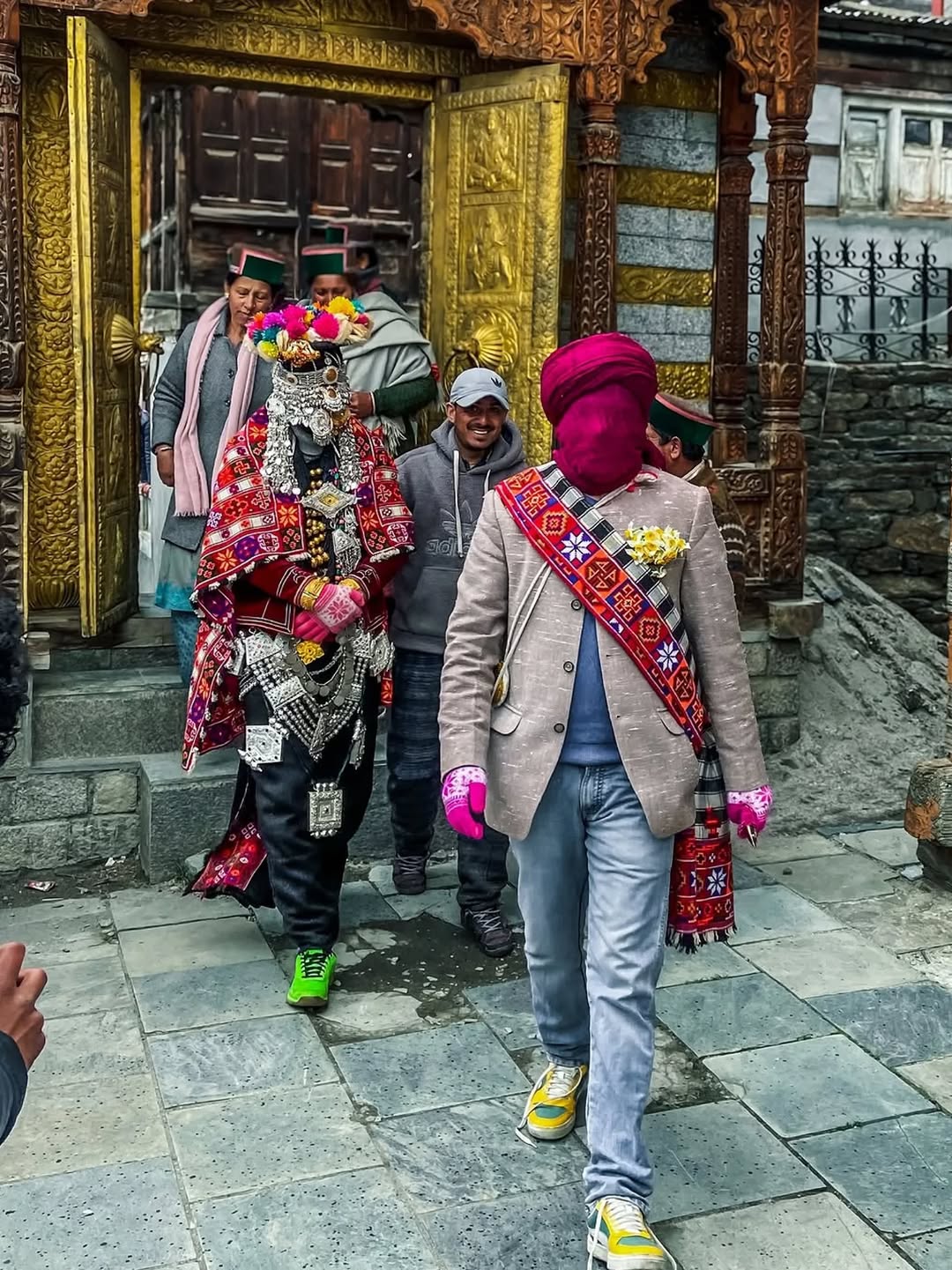
Kalpa (Kinnaur Valley), Himachal Pradesh, India
Raulane Tradition
Believed by locals to be over 5,000 years old, Raulane is one of the most mysterious and visually arresting living traditions in the Himalayas. It is a profound spring thanksgiving ceremony where the villagers of Kinnaur bid an emotional, ritualistic farewell to the 'Sauni'—celestial mountain fairies who descended to guard them through the deadly winter.
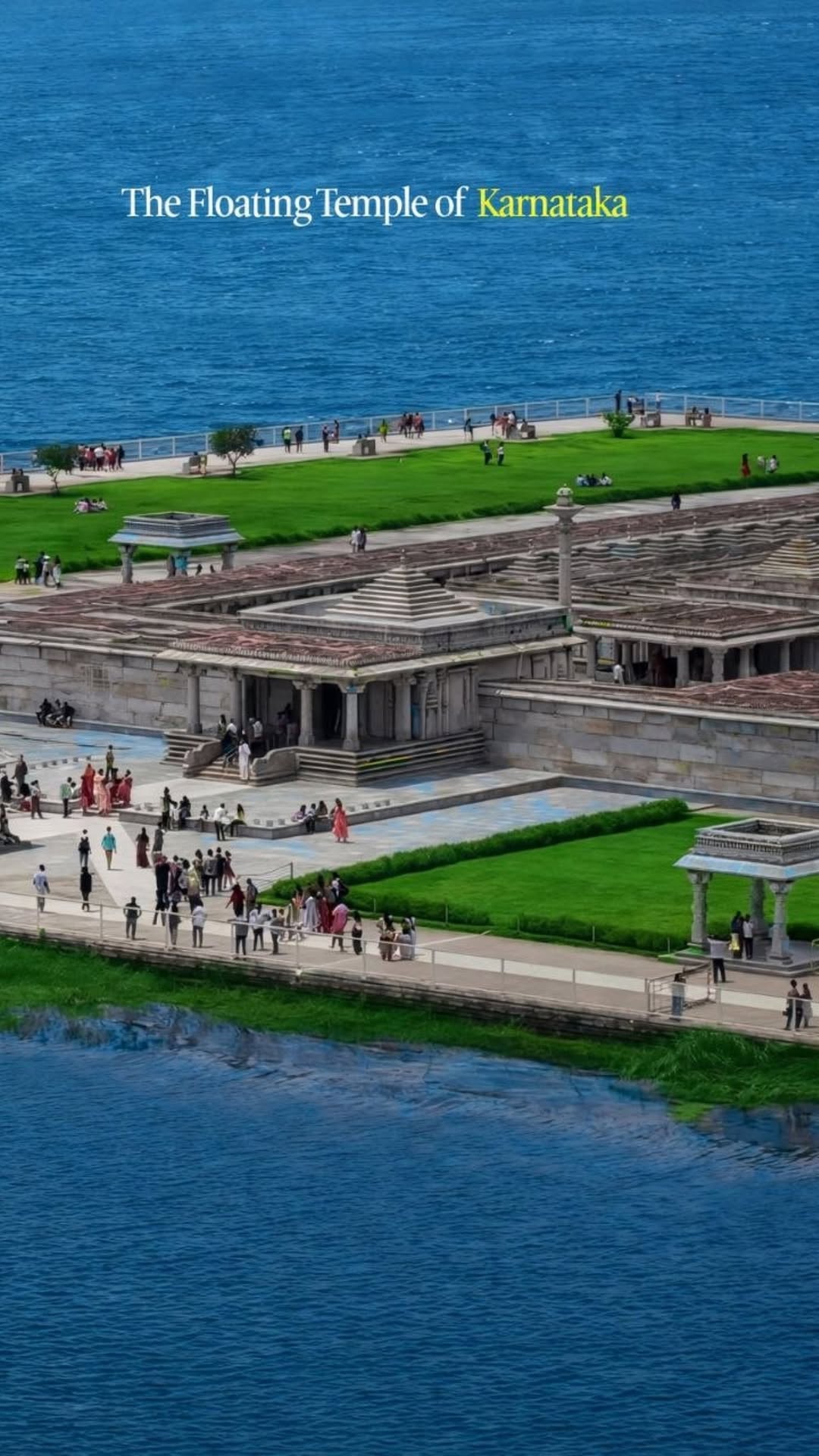
Hosa Kannambadi (Near KRS Dam), Mandya District, Karnataka, India
Sri Venugopalaswamy Temple
Situated majestically on the serene backwaters of the KRS Dam, the Sri Venugopalaswamy Temple is a stunning resurrection of 12th-century Hoysala architecture. Known globally as India's premier 'submerged and relocated' temple, it offers breathtaking sunset views over the water and a profound testament to the endurance of ancient stonework.
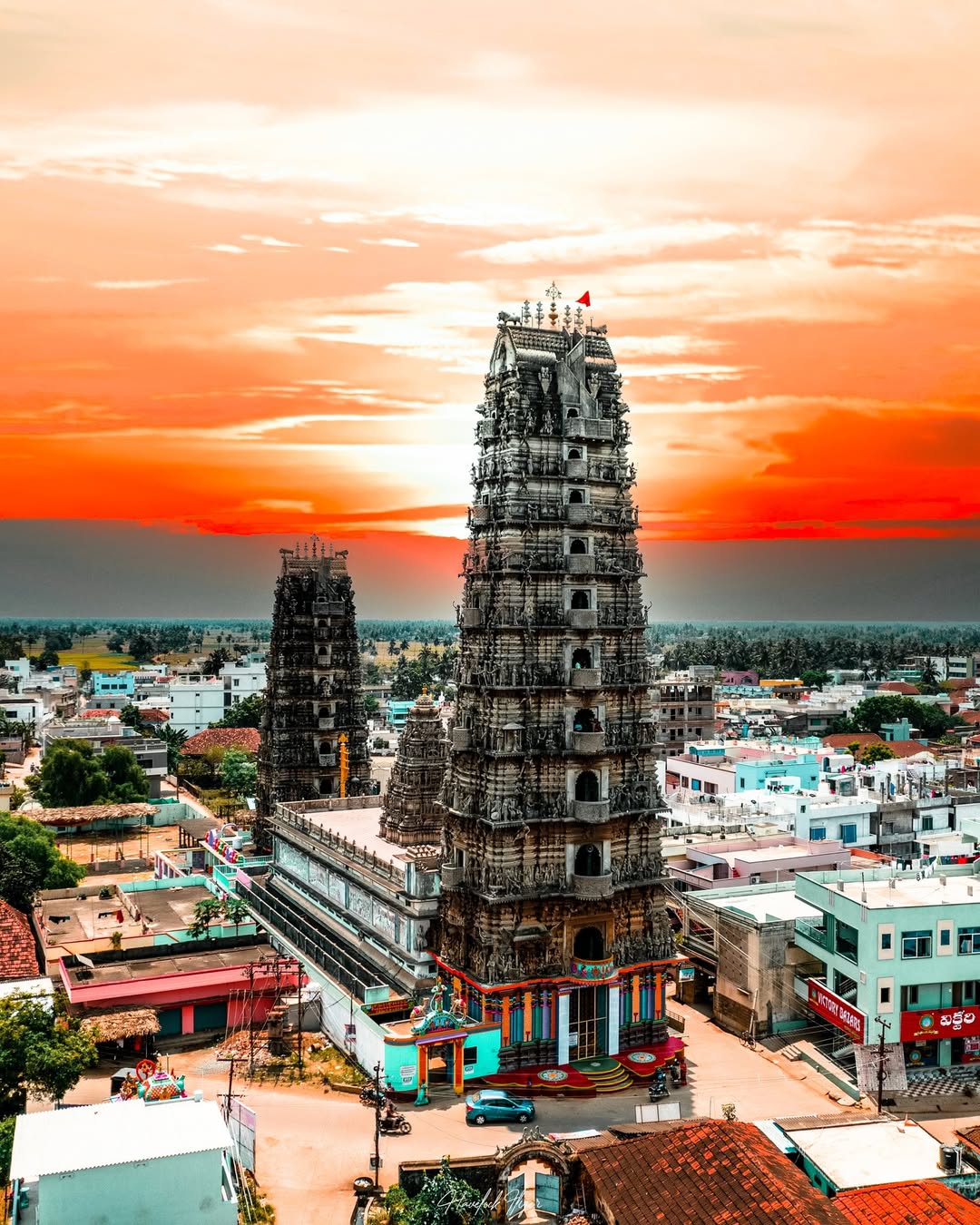
Gollala Mamidada, Kakinada District, Andhra Pradesh, India
Sri Kodandarama Swamy Temple
Colloquially revered as 'Konaseema Ayodhya' and 'Chinna Bhadradri', the Sri Kodandarama Swamy Temple in Gollala Mamidada is an architectural titan of the Godavari region. Surrounded by lush orchards, it is renowned worldwide for its staggering twin gopurams and the mesmerizing 'Addala Mandapam' (Hall of Mirrors).
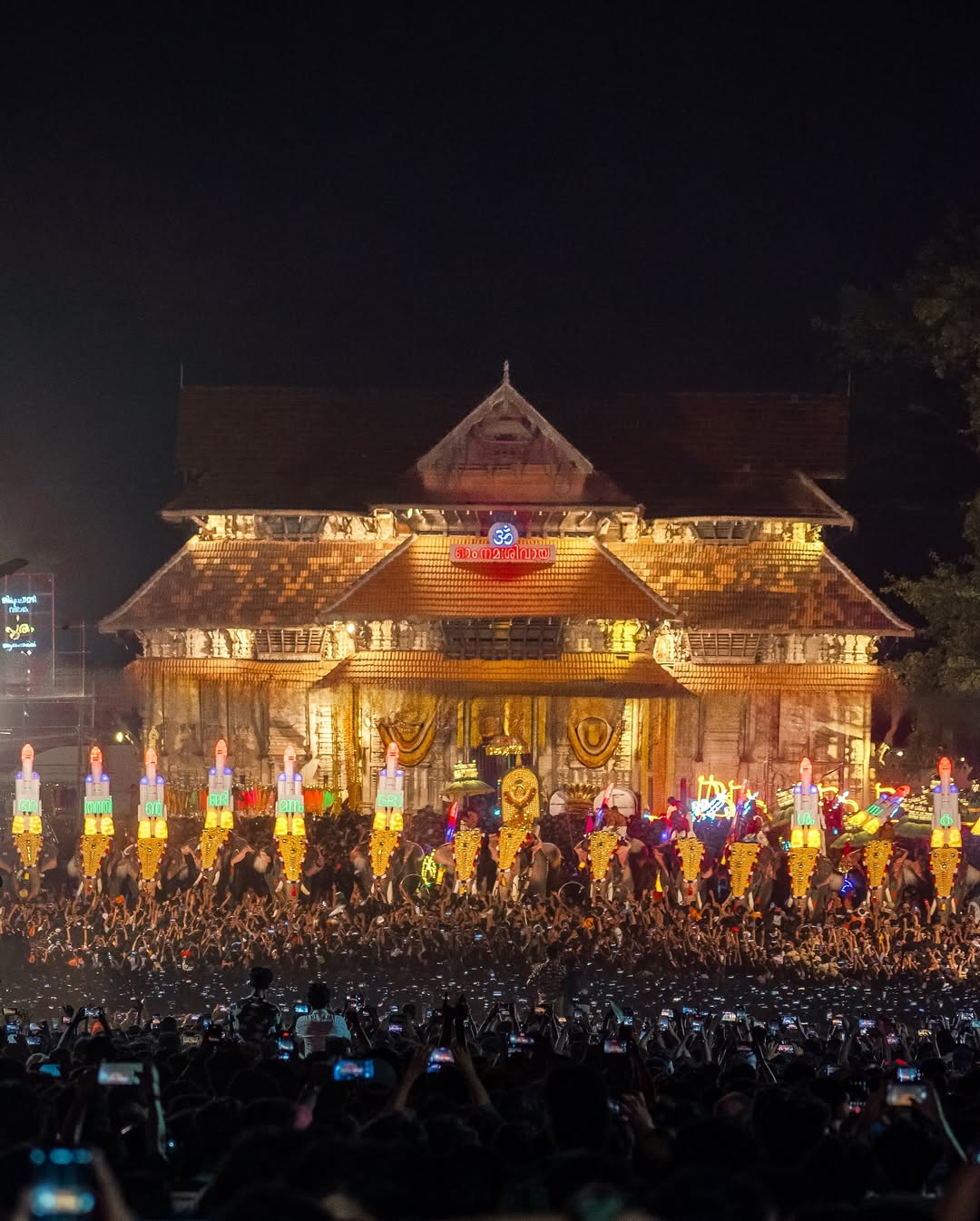
Thrissur, Kerala, India
Sri Vadakkunnathan Temple
Sitting majestically at the dead center of the sprawling 65-acre Thekkinkadu Maidan, the Sri Vadakkunnathan Temple is the architectural and spiritual soul of Thrissur city. It is revered as the first and oldest Shiva temple in Kerala, globally famous for hosting the monumental 'Thrissur Pooram' festival and housing an inexplicable, centuries-old mountain of ghee in its main sanctum.
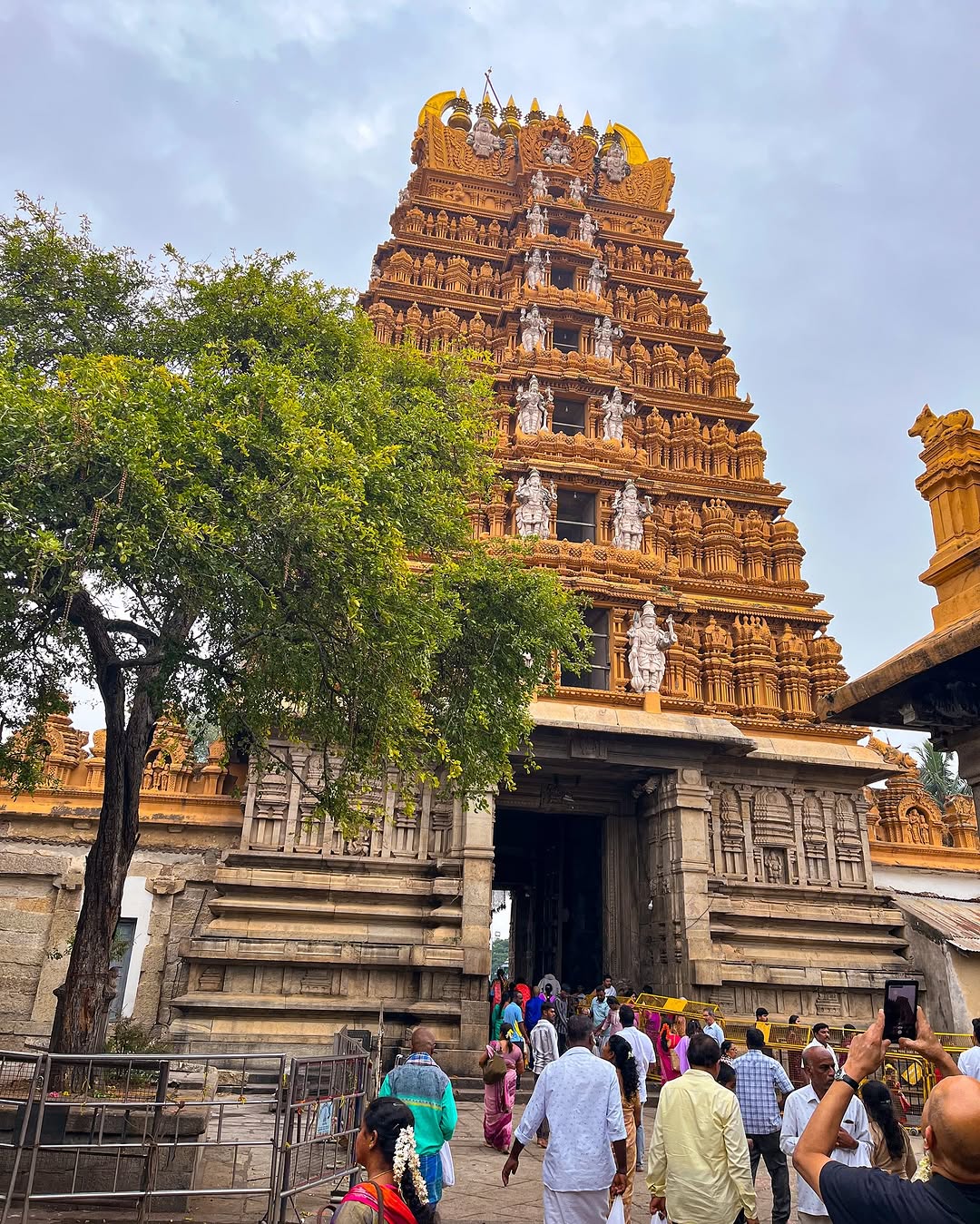
Nanjangud, Mysore District, Karnataka, India
Sri Srikanteshwara Temple
Revered globally as 'Dakshina Kashi' (Varanasi of the South), the Sri Srikanteshwara Temple in Nanjangud is a colossal Dravidian masterpiece situated on the banks of the Kapila river. It is dedicated to Lord Nanjundeshwara—the compassionate form of Lord Shiva who drank the cosmic poison to save the universe, earning him the reputation of a supreme cosmic physician.
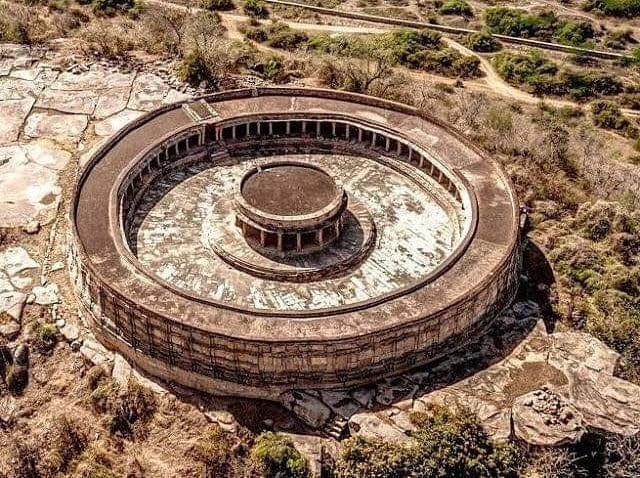
Mitawali, Morena District, Madhya Pradesh, India
Chausath Yogini Temple
Perched atop a solitary hill in the Chambal valley, the Chausath Yogini Temple of Mitawali is an ancient, spellbinding architectural marvel. Unlike traditional towering Hindu temples, it is a perfectly circular, roofless (hypaethral) structure that historically served as an elite, secretive university for the teaching of astrology, mathematics, and advanced Tantric rituals.

Darasuram (Near Kumbakonam), Thanjavur District, Tamil Nadu, India
Airavatesvara Temple
Located in Darasuram near the temple city of Kumbakonam, the Airavatesvara Temple is a breathtaking masterpiece of 12th-century Dravidian architecture. While smaller in scale compared to the towering Brihadisvara temple of Thanjavur, it compensates with an unprecedented, mesmerizing level of miniature sculptural detail, earning it the legendary title of a 'sculptor's dream in stone'.

Kodungallur, Thrissur District, Kerala, India
Sree Kurumba Bhagavathi Temple
The Sree Kurumba Bhagavathi Temple in Kodungallur is one of the most ancient and powerful Goddess temples in Kerala. Known for its fierce mystical energy and the legendary, trance-filled Bharani festival, it stands as a monumental center of Shaktism where classical Tantric worship meets raw, visceral folk devotion.

Kottiyoor, Kannur District, Kerala, India
Sri Kottiyoor Perumal Temple
Nestled deep within the dense, mist-covered forests of the Western Ghats along the Bavali River, the Kottiyoor Temple is one of the most sacred and ancient Shaivite shrines in Kerala. It is widely revered as the exact mythological site of the infamous 'Daksha Yaga' and is uniquely split into two separate temples: Akkare Kottiyoor (deep forest) and Ikkare Kottiyoor (regular temple).

Visakhapatnam, Andhra Pradesh, India
Sri Varaha Lakshmi Narasimha Swamy Temple
Perched on the scenic Simhachalam hill range 800 feet above sea level, this temple is one of the eighteen 'Narasimha Kshetras' of India. It is a stunning fusion of Kalinga and Dravidian architectural styles, famous for its presiding deity who is kept perpetually covered in cooling sandalwood paste, appearing as a golden mound for most of the year.

Tuljapur, Dharashiv District, Maharashtra, India
Sri Tulja Bhavani Temple
Perched on the Yamunachala Hill of the Balaghat mountain range, the Tulja Bhavani Temple is one of India's most revered Shakti Peethas. As the Kuladevi (family deity) of the legendary Maratha warrior Chhatrapati Shivaji Maharaj, the temple stands as a towering symbol of divine feminine power, maternal protection, and fearless resistance against tyranny.

Guwahati (Peacock Island), Assam, India
Sri Umananda Temple
Located on the minuscule 'Peacock Island' in the middle of the mighty, turbulent Brahmaputra River, the Umananda Temple is a breathtaking and deeply serene Shaivite shrine. It holds the unique geographic distinction of being situated on what is widely cited as the smallest inhabited river island in the world.

Keesara, Medchal-Malkajgiri District (Hyderabad), Telangana, India
Sri Ramalingeswara Swamy Temple
Located on a rugged hillock just outside the bustling metropolis of Hyderabad, Keesaragutta is a unique Shaivite shrine deeply intertwined with the Ramayana. It is globally famous for its breathtaking landscape featuring dozens of Shiva Lingams scattered openly across the rocky terrain, creating a deeply mystical atmosphere.

Ramgarh, Kaimur District, Bihar, India
Maa Mundeshwari Devi Temple
Perched atop the Mundeshwari Hill in the Kaimur range at an elevation of 600 feet, this temple is widely celebrated as the oldest functioning Hindu temple in India. Featuring a highly rare octagonal shape, it is an architectural and spiritual marvel where both Goddess Shakti and Lord Shiva are worshipped with equal supreme reverence.

Kanchipuram (Vishnu Kanchi), Tamil Nadu, India
Sri Varadharajar Perumal Temple
Located in the 'Vishnu Kanchi' part of Kanchipuram, the Varadharajar Perumal Temple is a sprawling 23-acre spiritual fortress. It is one of the 108 Divya Desams and is celebrated for its unmatched stone artistry, including a monolithic stone chain and a hall of 100 pillars where every inch is a masterpiece of sculpture.

Vellore, Tamil Nadu, India
Sri Jalakandeswarar Temple
Situated right in the heart of the formidable Vellore Fort, the Sri Jalakandeswarar Temple is a spectacular jewel of Vijayanagara architecture. Famous for its incredibly ornate Kalyana Mandapam, it is a rare 'fort temple' that was triumphantly reclaimed by devotees after the main deity spent nearly 400 years in exile to protect it from military invasions.

Kanipakam, Chittoor District, Andhra Pradesh, India
Sri Varasidhi Vinayaka Swamy Temple
Situated on the banks of the Bahuda River, the Kanipakam Vinayaka Temple is a world-renowned shrine where the presiding deity is located inside a perennial well. It is globally famous for the divine phenomenon of the idol's continuous physical growth and its reputation as a place where the absolute truth is established through sacred oaths.

Yaganti, Nandyal District, Andhra Pradesh, India
Sri Yaganti Uma Maheswara Temple
Nestled in the breathtaking Yerramala hills of Andhra Pradesh, the Yaganti Temple is a magnificent Shaivite shrine. It is uniquely famous for its Swayambhu Ardhanareeswara idol, a mysterious temple tank with an unknown water source, natural cave formations, and a rapidly growing monolithic Nandi.

Draksharamam, Konaseema District, Andhra Pradesh, India
Sri Bhimeswara Swamy Temple
Located in the lush green heart of the Konaseema region, Draksharamam is a monumental complex featuring a 15-foot-tall Shiva Lingam made of a unique, light-reflecting crystal-like stone. It is a rare 'Tribhaaga' kshetra where Shiva, Vishnu, and Shakti are worshipped with equal prominence within the same massive stone walls.

Annavaram, Kakinada District, Andhra Pradesh, India
Sri Veera Venkata Sathyanarayana Swamy Temple
Perched majestically on the Ratnagiri Hill and overlooking the serene Pampa River, Annavaram is the supreme shrine of Lord Sathyanarayana Swamy. The name 'Annavaram' translates to 'The place where wishes are granted as boons' (Annina Varam), making it a beacon of hope for millions of devotees who visit to perform the sacred Sathyanarayana Vratam.

Mukhalingam, Srikakulam District, Andhra Pradesh, India
Sri Mukhalingeswara Swamy Temple
Situated in a remote, peaceful village on the banks of the Vamsadhara River, Sri Mukhalingam is a breathtaking archaeological complex. It served as the royal capital of the Kalinga kings for over six centuries. The temple is a rare surviving masterpiece of early Kalinga architecture, predating the famous temples of Puri and Bhubaneswar.

Devprayag, Tehri Garhwal, Uttarakhand, India
Raghunathji Temple, Devprayag
Perched on a high terrace overlooking the spectacular confluence where the Alaknanda and Bhagirathi rivers merge to become the holy Ganga, the Raghunathji Temple is a site of immense spiritual energy. It is a massive pyramid-shaped stone temple made of large gray boulders, standing as a silent witness to millennia of Himalayan history.

Rayagada, Odisha, India
Maa Majhighariani Temple
Maa Majhighariani is the presiding deity of Rayagada and a symbol of the fusion between Odisha's classical temple culture and its deep-rooted indigenous tribal heritage. The temple is famous for its vibrant energy, its historical location within an ancient fort, and its reputation as a wish-fulfilling shrine for thousands of devotees from Odisha, Andhra Pradesh, and Chhattisgarh.

Thiruvananthapuram, Kerala, India
Attukal Bhagavathy Temple
Situated at the confluence of the Killi and Karamana rivers, the Attukal Bhagavathy Temple is a powerhouse of divine feminine energy. It is celebrated for its inclusive and women-centric traditions, most notably the annual Pongala festival which draws millions of women from across the globe to the heart of Kerala.

Oachira, Kollam District, Kerala, India
Oachira Parabrahma Temple
Spanning 36 acres of ancient sacred groves, the Oachira Parabrahma Temple is a unique spiritual site where the Divine is worshipped as the formless, all-pervading Truth. It is world-renowned for its lack of a physical temple structure and its vibrant martial arts festival, 'Oachira Kali,' which commemorates historical battles on this very ground.

Harippad, Alappuzha District, Kerala, India
Mannarasala Sree Nagaraja Temple
Hidden within a dense, prehistoric sacred grove, the Mannarasala Temple is a mysterious and powerful center for snake worship. It is a sanctuary where humans and nature (specifically serpents) coexist in spiritual harmony, famous for its unique female priesthood and its miraculous reputation for curing infertility.

Vaikom, Kottayam District, Kerala, India
Vaikom Mahadeva Temple
Situated on the banks of the Vembanad Lake, the Vaikom Mahadeva Temple is one of the oldest and largest temples in Kerala. It is a site of immense architectural beauty and social significance, revered for its 'Annadana' (food offering) tradition and its role as the birthplace of organized resistance against caste-based discrimination in Kerala's temples.

Ettumanoor, Kottayam District, Kerala, India
Ettumanoor Shri Mahadeva Temple
Ettumanoor Mahadeva Temple is one of the wealthiest and most artistically significant shrines in Kerala. Famous for its exquisite wood carvings, ancient murals, and the priceless golden elephant statues, it stands as the 'Evening Shrine' in the sacred Shiva trinity of Central Kerala.

Thodupuzha, Idukki District, Kerala, India
Sree Krishna Swami Temple, Thodupuzha
Located on the banks of the Thodupuzha River, this temple is the spiritual heart of the town. The deity, Lord Krishna, is worshipped as a divine child holding a ball of butter, radiating a sense of innocence and immense grace. It is a site where traditional Kerala temple architecture meets deep-rooted local folklore.

Chottanikkara, Kochi, Kerala, India
Chottanikkara Bhagavathy Temple
Situated in the hilly suburbs of Kochi, Chottanikkara is a sprawling temple complex divided into two levels: the 'Melkkaavu' (Upper Temple) and the 'Keezhkkaavu' (Lower Temple). It is a site of profound faith, where the Divine Mother is believed to act as a celestial physician, curing the deepest of psychological and spiritual wounds.

Thrissur, Kerala, India
Sree Vadakkumnathan Temple
Standing atop a small hillock in the center of Thrissur, the Sree Vadakkumnathan Temple is a classic example of Kerala's sacred architecture. It is enclosed by massive granite walls with four magnificent gopurams. The temple is unique for its 'Moola Virat' (main deity), which is completely covered under centuries of ghee offerings, forming a shimmering, fragrant mountain of gold.

Palakkad, Kerala, India
Sree Manappullikkavu Bhagavathy Temple
Located in the Manapullikavu area of Palakkad town, this temple stands out with its striking red and yellow facade. It is a place of deep devotion where the Goddess is worshipped in her powerful 'Ugra' (fierce) form, believed to be the protector of the town against all evils.

Memunda, Vatakara, Kerala, India
Lokanarkavu Temple
Lokanarkavu is a cultural landmark nestled in the village of Memunda. The name is derived from 'Lokamalayarkavu', meaning a grove made of world, mountain, and river. The complex is unique for housing three principal deities—Shiva, Vishnu, and Durga—in separate temples within the same compound, each with its own rituals and history.

Thirunelli, Wayanad, Kerala, India
Thirunelli Sree Maha Vishnu Temple
Perched at an altitude of 900 meters, Thirunelli is a site of primeval beauty. It is an 'Ambalam' (temple) without a roofed outer structure in certain sections, allowing the mountain air and forest mist to mingle with the chanting. It is primarily sought for Pitru Karma (rituals for ancestors), as the location is considered the gateway between the earthly and spiritual realms.

Sulthan Bathery, Wayanad, Kerala, India
Jain Temple, Sulthan Bathery
Located in the heart of Sulthan Bathery town, this temple is a serene sanctuary of stone. It is built entirely of massive granite slabs, showcasing a blend of Jain and Vijayanagara architectural influences. The temple is devoid of elaborate external ornamentation, relying instead on its powerful, minimalist structural integrity.

Parassinikadavu, Kannur, Kerala, India
Parassinikadavu Sri Muthappan Temple
Perched beautifully on the banks of the Valapattanam River, the temple (referred to as a 'Madapura') is a vibrant hub of North Malabar's folk religion. It is a place of warmth and accessibility, where the 'Muthappan' (Grandfather) is seen as a friendly, protective elder rather than a distant, fearsome deity.

Dwarka, Devbhumi Dwarka District, Gujarat, India
Dwarkadhish Temple
Dwarka is the legendary capital of Krishna's kingdom, situated on the banks of the Gomti River where it meets the Arabian Sea. The main temple, Jagat Mandir, is a five-story limestone masterpiece supported by 72 pillars, rising majestically against the coastal horizon.

Prabhas Patan, Veraval, Gujarat, India
Somnath Temple
Situated at the confluence of three rivers (Triveni Sangam) and the Arabian Sea, the temple is built in the majestic Chalukya (Solanki) style. Its towering 'Shikhara' and intricate stone carvings make it one of the most visually stunning spiritual sites in India.

Ujjain, Madhya Pradesh, India
Mahakaleshwar Jyotirlinga
Rising beside the holy Shipra River, the Mahakaleshwar temple is a multi-story architectural complex. It is a 'Svayambhu' (self-manifested) Lingam, deriving its power (Shakti) from within itself. The temple is the soul of Ujjain, a city that has been a center of learning, religion, and science for over three millennia.

Mandhata, Khandwa District, Madhya Pradesh, India
Omkareshwar Jyotirlinga
Omkareshwar is a spectacular river-island shrine. The temple is built in the North Indian Nagara style, featuring a multi-storied structure with a high shikhara. Because the Jyotirlinga is believed to be split into two parts, the pilgrimage is only considered complete after visiting both the Omkareshwar temple on the island and the Mamleshwar temple on the south bank.

Bhorgiri (near Pune), Maharashtra, India
Bhimashankar Jyotirlinga
Bhimashankar is a stunning composite of old and new structures built in the Nagara style of architecture. It is located at a high altitude, often disappearing into the monsoon clouds. The temple is famous for its intricate stone carvings and the 'Bhimashankar Wildlife Sanctuary' that envelopes it, offering a sanctuary for both the soul and the wild.

Deoghar, Jharkhand, India
Baidyanath Jyotirlinga
The Baidyanath temple complex is a cluster of 22 temples, with the pyramid-shaped Jyotirlinga shrine at its center. It is a place of immense emotional and physical endurance, where the bond between Shiva and Shakti is visually represented by red ribbons tied between the spires of their respective temples.

Daaruvanam (near Dwarka), Gujarat, India
Nageshwar Jyotirlinga
Nageshwar is an open, spacious temple complex located on the route between Dwarka and Bet Dwarka. It is dominated by a colossal, brightly colored sitting Shiva statue. The main Jyotirlinga is situated in a unique underground sanctum, providing a cool and quiet contrast to the vibrant, sunny exterior of the temple grounds.

Verul (near Aurangabad/Sambhajinagar), Maharashtra, India
Grishneshwar Jyotirlinga
Built using vibrant red basalt rock, the Grishneshwar temple is a five-tier Shikhara masterpiece. It is relatively compact compared to other Jyotirlingas but is renowned for its intense spiritual energy and the exquisite carvings of Indian deities and mythological scenes that cover its exterior walls.

Rameswaram, Pamban Island, Tamil Nadu, India
Ramanathaswamy Temple
Ramanathaswamy Temple is an architectural titan located on the Pamban Island. It is renowned for its majestic Dravidian gopurams and its massive corridors supported by nearly 1,200 carved granite pillars. The temple is a bridge between the Vaishnava and Shaiva traditions, as it was established by an avatar of Vishnu (Rama) to worship Shiva.

Vedadri, Jaggayyapeta (NTR District), Andhra Pradesh, India
Vedadri Narasimha Swamy Temple
Vedadri is a unique spiritual site where the temple is built into a hillock right on the edge of the Krishna River. It is one of the five sacred Narasimha temples in the region. The sound of the flowing river and the chanting of Veda mantras create an atmosphere of profound tranquility and ancient power.

Ayodhya, Uttar Pradesh, India
Shri Ram Janmabhoomi Teerth Kshetra
Situated on the banks of the holy Sarayu River, the Ram Mandir is a three-story marvel of pink sandstone. It is designed to last over 1,000 years without the use of iron or steel. The temple is not just a place of worship but a symbol of India's cultural resurgence, attracting millions of devotees annually to catch a glimpse of the 'Bal Roop' (child form) of Rama.

Mathura, Uttar Pradesh, India
Shri Krishna Janmabhoomi
Mathura is a vibrant, chaotic, and deeply emotional city. The Janmabhoomi complex is built over the 'Karuasala' (prison cell) where Krishna was born. The complex includes the Keshavdev Temple, the Garbha Griha (Birth Cell), and the Bhagavat Bhavan. The atmosphere is thick with the scent of incense and the constant chanting of 'Radhe Radhe'.

Haridwar, Uttarakhand, India
Maya Devi Temple
Maya Devi Temple is a serene and ancient shrine located near the bustling center of Haridwar. It forms a 'Siddha Peetha' triangle with Mansa Devi and Chandi Devi temples. The temple is a rare site where the Goddess is worshipped alongside Goddess Kali and Goddess Kamakhya, representing the complete cycle of creation, preservation, and destruction.

Kolkata (Kalighat), West Bengal, India
Kalighat Kali Temple
Situated on the banks of the Adi Ganga (an old channel of the Hooghly), Kalighat is a dense, high-energy temple complex. The deity is unique—not a full statue but a black stone head with three massive eyes, a long golden tongue, and four golden hands. It is the spiritual heart of the city, representing the cycle of time and the fierce protection of the Mother.

Tarapith, Birbhum District, West Bengal, India
Tarapith Temple
Tarapith is located on the banks of the Dwarka River. The temple is a medium-sized structure with thick walls and a curved, tiled roof. The deity is unique—it features a smaller metal idol placed inside a larger stone idol depicting Tara breastfeeding Shiva. The temple is inseparable from the adjacent cremation ground, where smoke from the pyres often drifts into the temple courtyard.

Bolpur (near Shantiniketan), West Bengal, India
Kankalitala Temple
Kankalitala is situated on the banks of the winding Kopai River. The 'temple' is actually a very small, simple room. The real center of worship is a small, stone-walled pond (Kund) located next to it. The Goddess is believed to reside within the waters of this pond, making it one of the most naturally integrated Shakti sites in India.

Bilaspur District, Himachal Pradesh, India
Shri Naina Devi Ji
Situated atop a triangular hill in the Shivalik Range, the Naina Devi temple offers a panoramic view of the Gobind Sagar Lake and the surrounding mountains. The temple is built of white stone and marble, standing as a beacon of light visible from the plains of Punjab and Haryana.

Jawalamukhi, Kangra District, Himachal Pradesh, India
Jwalamukhi Temple
Situated in the Shivalik range, the temple is a striking structure with a gold-plated dome and spires. The focal point is the 'Garbhagriha', where nine eternal flames (representing the nine forms of Durga) flicker from the cracks in the rock. It is a place of profound silence and heat, where the divine is experienced as pure energy.

Chintpurni, Una District, Himachal Pradesh, India
Chintpurni Devi Temple
Perched on a ridge in the Sola Singhi range, the temple is a beautiful stone and marble structure. The atmosphere here is noticeably calm and contemplative. The center of the temple is the 'Garbhagriha', which houses a pindi (stone representation) of the Goddess. The complex is dominated by an ancient banyan tree where devotees tie threads for their wishes.

Puri, Odisha, India
Vimala Temple
The Vimala temple is located in the southwest corner of the inner enclosure (Kurma Bedha). Built of sandstone and laterite, it is a classic example of Kalinga architecture. It stands near the Rohini Kund. The temple is small compared to the main shrine but radiates an aura of ancient, concentrated power.

Purushottampur, Ganjam, Odisha, India
Tara Tarini Temple
Rising 708 feet above sea level, the temple is accessible via a flight of 999 steps, a winding ghat road, or a scenic ropeway. The dual goddesses are represented by two ancient stone statues adorned with silver eyes and ornaments. The temple serves as the 'Ishta Devi' (presiding deity) for millions in Southern Odisha.

Ambaji, Banaskantha, Gujarat, India
Ambaji Mata Temple
Ambaji is a grand temple complex built of white marble and decorated with over 350 gold-plated 'Kalash' (peaks). It sits at the foot of the Gabbar Hill, where the original 'Jyot' (flame) of the Goddess is located. The temple is a hub of Gujarati culture, especially famous for its traditional Garba and folk festivities.

Vani (near Nashik), Maharashtra, India
Saptashrungi Gad
Located at an altitude of 1,230 meters, the temple is reached via 510 steps or a funicular trolley. The deity is a massive **8-foot-tall idol** carved out of the orange basalt rock. It is one of the most visually imposing Shakti shrines in India, with the Goddess's eighteen arms arranged in a magnificent arc, representing her absolute power.

Mysuru (Mysore), Karnataka, India
Chamundeshwari Temple
The temple is located atop the Chamundi Hills, overlooking the royal city of Mysore. It features a stunning seven-tier gopuram adorned with intricate carvings. The temple is not just a religious site but a symbol of Mysore's identity, especially during the world-famous Dasara celebrations.

Somanathapura (near Mysore), Karnataka, India
Chennakeshava Temple, Somanathapura
The temple is an architectural jewel set in a quiet village. It is a 'living' museum of 13th-century stone craft. The layout is a masterpiece of symmetry, featuring three identical shrines arranged around a central hall, all raised on a high 'Jagati' (platform) that follows the star-shaped contour of the shrines.

Kollur, Udupi District, Karnataka, India
Kollur Mookambika Temple
Kollur Mookambika is one of the most important pilgrimage sites in South India, especially for devotees from Kerala and Karnataka. The temple is unique because the deity is a 'Swayambhu' (self-manifested) Lingam that is split into two halves—the left representing the Three Mothers (Lakshmi, Saraswati, Kali) and the right representing the Trimurti (Brahma, Vishnu, Shiva).

Gangotri, Uttarakhand, India
Gangotri Temple
The temple is a beautiful, modest structure made of white granite, standing in stark contrast to the rugged, dark mountains and the emerald-green waters of the Bhagirathi river. The atmosphere is thin, cold, and electric with the roar of the rushing water and the chants of 'Ganga Maiya Ki Jai'.

Yamunotri (near Janki Chatti), Uttarakhand, India
Yamunotri Temple
Situated on the flanks of the Bandarpoonch peak, the temple is accessible via a steep 6km trek from Janki Chatti. It is a site of extreme contrasts: the river water is ice-cold, while several thermal springs (Surya Kund) emerge from the rock at boiling temperatures right next to the temple.

Gangaikonda Cholapuram, Ariyalur District, Tamil Nadu, India
Brihadisvara Temple, Gangaikonda Cholapuram
The temple is an architectural twin to the Tanjore Brihadisvara, but with a more feminine, graceful touch. Its Vimana (tower) is slightly shorter than Tanjore's but features a unique concave curve that gives it an elegant, soaring profile. The temple complex is a sprawling masterpiece of granite carving set amidst lush green lawns.

Chadayamangalam, Kollam, Kerala, India
Jatayu Earth's Center
Standing 1,000 feet above sea level, the park is centered around a massive functional sculpture of Jatayu that is 200 feet long, 150 feet wide, and 70 feet tall. Inside the sculpture is a multi-dimensional museum and a 6D theater. The center is designed as an eco-resort, utilizing rainwater harvesting and organic farming within its rocky terrain.

Dhanushkodi, Rameswaram Island, Tamil Nadu, India
Dhanushkodi & Pamban Bridge
Dhanushkodi is a hauntingly beautiful 'Ghost Town' where the ruins of a church and railway station stand against the shifting sands. The 11km 'Last Road' leads to Arichal Munai, the southernmost tip of the island. The Pamban Bridge, stretching 2.06km over the sea, remains one of India's most iconic railway journeys, featuring a bascule section that allows ships to pass.

Thiruparankundram (near Madurai), Tamil Nadu, India
Arulmigu Subramanya Swamy Temple, Thiruparankundram
Thiruparankundram is unique because it is a cave temple where the main deities are carved directly out of the mountain rock. It is the only Arupadai Veedu where Lord Murugan is seen in a seated posture, celebrating his marriage. The temple complex is built into the base of a massive granite hill that dominates the landscape.

Swamimalai (near Kumbakonam), Tamil Nadu, India
Swamimalai Swaminatha Swamy Temple
Swamimalai is built on an artificial hillock (Kattu Malai). To reach the sanctum, one must climb **60 steps**, each representing one of the 60 years of the Tamil calendar cycle. The temple is a symbol of wisdom and the transmission of sacred knowledge, where the Lord stands in a majestic 6-foot tall form holding a staff.

Tiruttani, Tamil Nadu, India
Arulmigu Subramanya Swamy Temple, Tiruttani
Tiruttani is situated on a hill with **365 steps**, each representing a day of the year. Unlike other Murugan temples where he holds the Vel (spear), the deity here is seen with his hand on his hip, symbolizing a state of rest and contentment. The hill is considered sacred and is said to have been brought from the heavens by the Gods themselves.

Alagar Hills (near Madurai), Tamil Nadu, India
Arulmigu Solaimalai Murugan Temple, Pazhamudircholai
Unlike the other abodes which are mostly hilltop structures, Pazhamudircholai is a serene forest shrine. It is famous for its 'Noopura Gangai' spring and the legendary black berry (Naval) tree. The temple architecture is simple but vibrant, emphasizing the natural beauty of the surrounding wilderness.

Morgaon, Pune District, Maharashtra, India
Shri Mayureshwar Temple
Situated on the banks of the Karha River, the temple's exterior is striking because it resembles a medieval fortress or mosque, complete with four 50-foot-tall minarets at its corners. The village is named 'Morgaon' (Village of Peacocks) because the area once naturally teemed with peacocks.

Siddhatek, Ahmednagar District, Maharashtra, India
Siddhivinayak Temple, Siddhatek
The temple is situated on a small hillock on the northern bank of the Bhima River. Because the idol's trunk is turned to the right, the presiding deity is considered very fierce and fastidious. The temple architecture is simple but designed to accommodate the arduous circumambulation (Pradakshina) required by devotees.

Pali, Raigad District, Maharashtra, India
Ballaleshwar Temple, Pali
The temple is an architectural beauty blending harmoniously with the Konkan landscape. It features two sanctums (inner and outer) and a massive bell brought by Chimaji Appa after his victory over the Portuguese at Vasai. The idol of Ballaleshwar is famously seated on a stone throne with a silver backrest, possessing diamonds in his eyes and navel.

Mahad, Raigad District, Maharashtra, India
Varadvinayak Temple, Mahad
The temple features a charming, simple architectural style typical of the Konkan region, with a sloping tiled roof and a golden pinnacle (Kalash). It is surrounded by lush greenery and faces an ancient, beautiful temple pond.

Theur, Pune District, Maharashtra, India
Chintamani Temple, Theur
Situated at the tranquil confluence of three rivers, the Chintamani temple is a haven of peace. The presiding deity is worshipped as the one who brings peace of mind and grants spiritual wisdom. The temple's grand wooden architecture reflects the zenith of Peshwa-era design.

Lenyadri (near Junnar), Pune District, Maharashtra, India
Girijatmaj Temple, Lenyadri
To reach the temple, devotees must climb a steep flight of nearly 300 stone steps cut into the mountain. The temple is essentially a massive, ancient Buddhist Vihara (monastery hall) devoid of supporting pillars in its center. The deity is carved directly into the back wall of the cave, seamlessly blending nature, ancient architecture, and devotion.

Ozar, Pune District, Maharashtra, India
Vighneshwar Temple, Ozar
Situated peacefully on the banks of the Kukadi River, the temple is enclosed by a massive protective stone wall and a grand gateway. The complex is distinguished by two towering 'Deepmalas' (stone pillar lamps) in the courtyard. The idol of Vighneshwar is famously adorned with rubies in its eyes and a diamond on its forehead and navel.

Ranjangaon, Pune District, Maharashtra, India
Mahaganapati Temple, Ranjangaon
The temple is an imposing structure built with traditional Maratha fortitude. The presiding deity, Mahaganapati, is depicted seated cross-legged, facing east, with a remarkably broad and powerful presence. Flanking the deity are his consorts, Riddhi and Siddhi.