🕉️

Vishwaguru

Awakening Heritage...

Arulmigu Subramaniya Swamy Temple

Tiruchendur, Thoothukudi District, Tamil Nadu, India

Arulmigu Subramaniya Swamy Temple

Also known as: Tiruchendur Murugan Temple, Thiruchendur Kovil

KaumaramCoastal TempleArupadaiveeduPilgrimageSoorasamharamBay of BengalDutch InvasionPanner Leaf VibhutiSenthilandavar

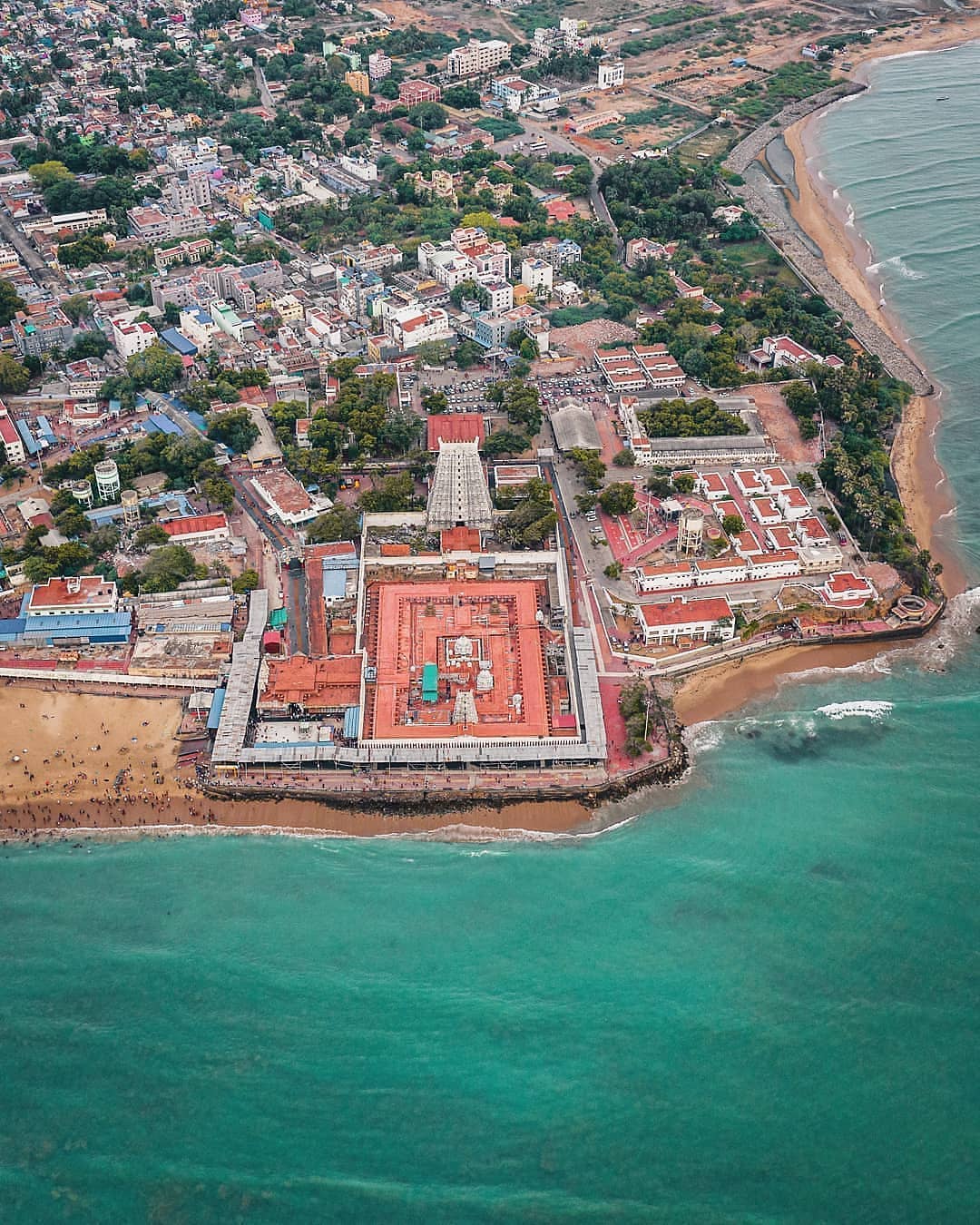
Situated right on the sandy shores of the Bay of Bengal, the Tiruchendur Murugan Temple is the second of the 'Arupadaiveedu' (Six Holy Abodes of Lord Murugan). It marks the sacred spot where Lord Murugan camped before and after his epic, victorious battle against the terrifying demon king, Surapadman. Unlike most deities who face east, the main idol here faces east toward the sea, while worshipping a Shiva Lingam.

Primary DeityLord Murugan (Subramanya Swamy)Form of Warrior God / Supreme Commander
TraditionHinduism (Kaumaram / Shaivism)
AdministrationTamil Nadu HR&CE Department
Historical ManagementThe temple boasts immense antiquity, originally patronized by the Pandya and Chera dynasties, with massive structural additions made later by the Nayaks of Madurai. It famously survived a 17th-century occupation by the Dutch East India Company. Today, it is a flagship temple administered by the Tamil Nadu Hindu Religious and Charitable Endowments (HR&CE) department.

The History

The shrine's existence is documented in ancient Sangam literature like the 'Purananuru' and 'Silappadikaram'. In 1648, the Dutch occupied the temple, using it as a fortress. While retreating, they looted the temple and stole the main panchaloha (five-metal) festival idol of Lord Murugan, thinking it was made of solid gold, loading it onto their ship.

The temple has two massive modern legends. First, the recovery of the stolen idol: After the Dutch stole the idol in 1648, a severe storm hit their ship. Terrified that the deity's wrath was causing the storm, they threw the idol into the sea. Years later, Lord Murugan appeared in the dream of a devotee, Vadamaliyappa Pillai, telling him the idol was at the bottom of the sea where a lemon would be floating and a Garuda (eagle) would be circling. Pillai followed the signs, dove in, and miraculously recovered the idol. Second, during the devastating 2004 Indian Ocean Tsunami, while surrounding coastal areas were destroyed, the sea completely receded away from the Tiruchendur temple, leaving it completely untouched—a phenomenon locals attribute directly to Lord Murugan's protection.

Sacred Architecture

Coastal Dravidian Majesty

Due to its location right on the beach, the temple's architecture is highly unique. The massive 137-foot-tall Rajagopuram is built on the western side of the temple, which is incredibly rare (they are almost always on the east). This was done because the eastern side is the ocean, and building a massive tower on the loose sea sand was structurally impossible. The sanctum sanctorum is uniquely carved directly into a sandstone cliff on the shore.

Legend of the Deity

The core theology of the temple is the 'Soorasamharam' (the annihilation of the demon). Surapadman had obtained boons that made him nearly invincible, allowing him to enslave the gods. Lord Shiva created Murugan from his third eye specifically to destroy this demon. After a fierce six-day battle, Murugan split the demon in two with his 'Vel' (spear). To show his humility and cleanse himself after the bloodshed, Murugan worshipped his father, Lord Shiva. Hence, the idol holds a rosary and faces a Shiva Lingam.

Worship & Rituals

Devotees typically take a purifying holy dip in the Bay of Bengal, followed by a bath in the 'Nazhi Kinaru' (a sacred freshwater well located just meters from the salty ocean) before entering the temple. A unique signature of Tiruchendur is that the sacred ash (Vibhuti) prasadam is given to devotees meticulously folded inside a dried Paneer leaf, which is highly aromatic.

Festivals

The defining event is the Skanda Sashti festival (held in October/November). The climax is the Soorasamharam, a massive, theatrical reenactment of Murugan's battle with the demon, performed directly on the Tiruchendur beach in front of millions of ecstatic devotees. Other major festivals include Vaikasi Visakam and Avani Moolam.

Daily Schedule

Visiting Hours: Daily from 5:00 AM to 9:00 PM.
(Note: The temple follows strict Agamic timings, and specific poojas like the Viswaroopa Darshan at dawn attract massive crowds.)
Continue Journey

Associated Shrines

Palani Murugan Temple

Arupadaiveedu

The third and most heavily visited of the Six Abodes, where Murugan resides as the ascetic Dandayuthapani.

Thiruparankundram Murugan Temple

Arupadaiveedu

The first of the Six Abodes, representing the site where Lord Murugan married Goddess Deivanai after his victory at Tiruchendur.