🕉️

Vishwaguru

Awakening Heritage...

Ramalingeshwara Swamy Temple (Ramappa Temple)

Palampet, Mulugu District, Telangana, India

Ramalingeshwara Swamy Temple (Ramappa Temple)

Also known as: Kakatiya Rudreshwara Temple, Ramappa Gudi

ShaivismUNESCO World Heritage SiteKakatiya ArchitectureHistorical LandmarkFloating BricksSandbox TechnologyNamed after Sculptor13th Century

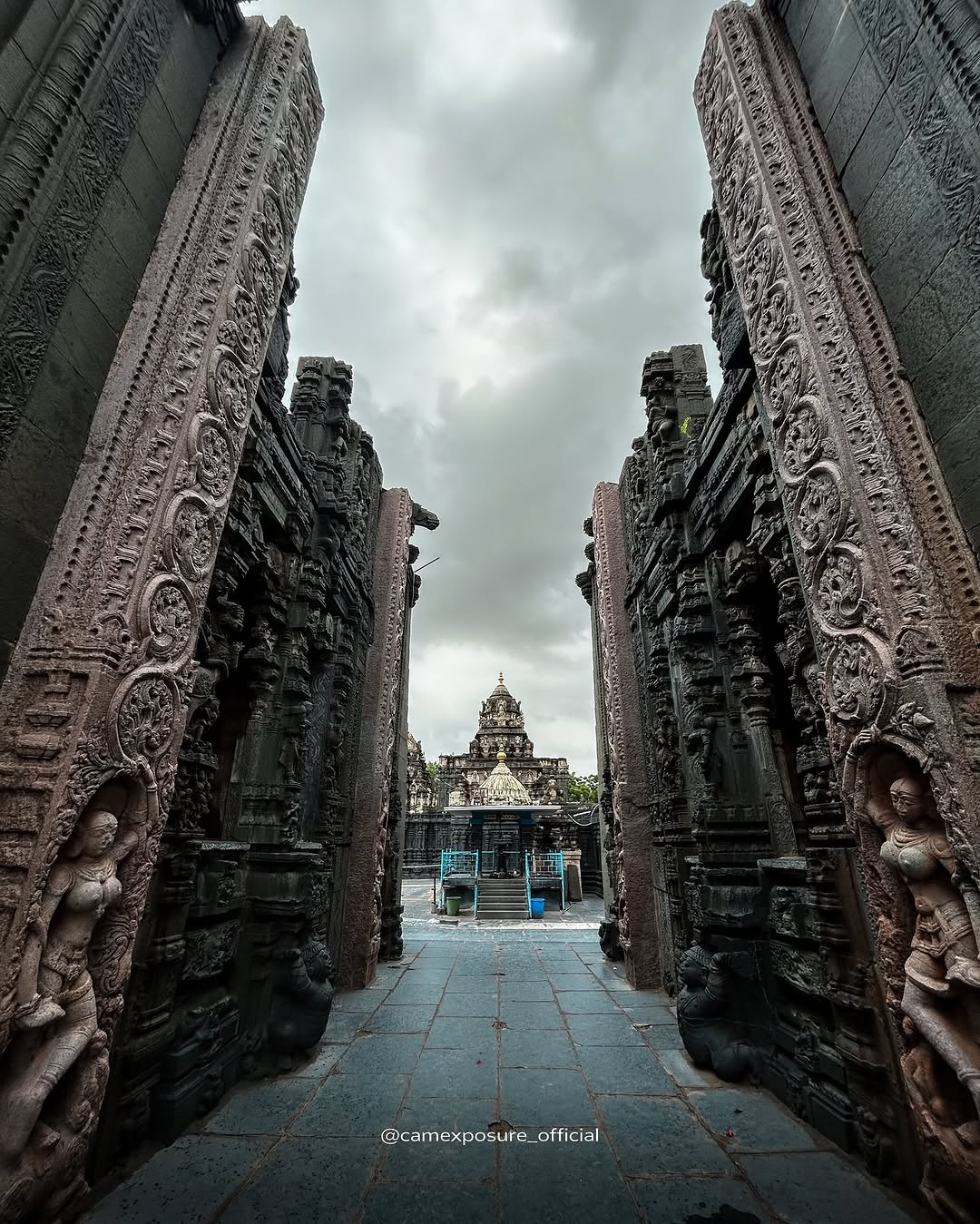
Situated near the shores of the Ramappa Lake, the Ramalingeshwara Swamy Temple is a masterpiece of Kakatiya art and engineering. Strikingly, it is the only known temple in India named not after the presiding deity or the king who commissioned it, but after its chief sculptor and architect: Ramappa.

Primary DeityLord ShivaForm of Ramalingeshwara (Shiva Lingam)
TraditionHinduism (Shaivism)
AdministrationArchaeological Survey of India (ASI) / Kakatiya Heritage Trust
Historical ManagementCommissioned in 1213 CE during the reign of the Kakatiya ruler Ganapati Deva. Despite the fall of the Kakatiya dynasty and subsequent invasions, the temple survived largely due to its brilliant engineering. It was inscribed as a UNESCO World Heritage Site in 2021.

The History

An inscription in the temple dates its construction to the year 1213 CE by Recharla Rudra, a powerful general in the Kakatiya army. It took Ramappa 40 years to complete this architectural marvel. Marco Polo, during his visit to the Kakatiya Empire, allegedly called the temple 'the brightest star in the galaxy of temples'.

Sacred Architecture

The Earthquake-Proof Masterpiece

The Ramappa Temple stands on a 6-foot high star-shaped platform and is renowned for two incredible engineering marvels.

Sandbox Technology: The foundation was built using a highly advanced technique to make the temple earthquake-resistant. A deep pit was dug and filled with a mixture of sand, lime, jaggery (for binding), and Karakkaya (black myrobalan). This 'sandbox' acts as a cushion, absorbing seismic waves and preventing the structure from collapsing during earthquakes.

Floating Bricks: While the lower parts of the temple are built with red sandstone and black basalt, the massive towering Vimana (spire) over the sanctum is built entirely with specially baked, porous bricks. These bricks are so incredibly light that their density is less than water—meaning they literally float! This ingenious use of lightweight materials drastically reduced the load on the foundation and pillars.

Legend of the Deity

The presiding deity is Lord Ramalingeshwara (Shiva). The name is often interpreted as a confluence of Lord Rama and Lord Shiva, symbolizing the installation of the Shiva Lingam by Lord Rama. The temple is perfectly aligned so that the morning sun's rays travel directly through the eastern entrance, illuminating the majestic Shiva Lingam in the sanctum.

Worship & Rituals

Traditional Shaivite Agamic rituals are performed daily. Devotees offer bilva leaves and perform Abhishekam to the Ramalingeshwara Lingam. A prominent feature of worship is paying respects to the massive, flawlessly carved black basalt Nandi (Shiva's bull) seated in a separate pavilion facing the shrine, noted for its hyper-realistic details and the illusion that it is looking directly at you from any angle.

Festivals

The temple comes alive during the grand celebration of Maha Shivaratri, attracting thousands of devotees. Another major event is the Kakatiya Festival, a cultural extravaganza that celebrates the heritage of the Kakatiya dynasty, featuring the ancient 'Perini Sivatandavam' (dance of the warriors), which was originally inspired by the dancing figures carved on the temple's pillars.

Daily Schedule

Visiting Hours: Daily from 6:00 AM to 6:00 PM.
Continue Journey

Associated Shrines

Thousand Pillar Temple (Rudreshwara Swamy Temple)

Sister Kakatiya Shrine

Located in Hanamkonda (Warangal), this is another iconic Kakatiya monument dedicated to Shiva, Vishnu, and Surya, famous for its intricately carved pillars.

Bhadrakali Temple, Warangal

Regional Shakti Center

An ancient temple dedicated to Goddess Bhadrakali, famously associated with the Kakatiya dynasty and the legendary Koh-i-Noor diamond.

Kota Gullu (Ghanpur Temples)

Architectural Predecessors

A ruined complex of 12th-century Kakatiya temples located near Palampet, showing the evolution of the architectural style seen at Ramappa.