🕉️

Vishwaguru

Awakening Heritage...

Sri Venugopalaswamy Temple

Hosa Kannambadi (Near KRS Dam), Mandya District, Karnataka, India

Sri Venugopalaswamy Temple

Also known as: Submerged Temple of KRS, Hosa Kannambadi Temple, KRS Venugopala Temple

VaishnavismHoysala ArchitectureRelocated MonumentArchitectural MarvelKRS BackwatersSubmerged TempleBlock-by-Block RelocationKhoday FoundationRiver Kaveri

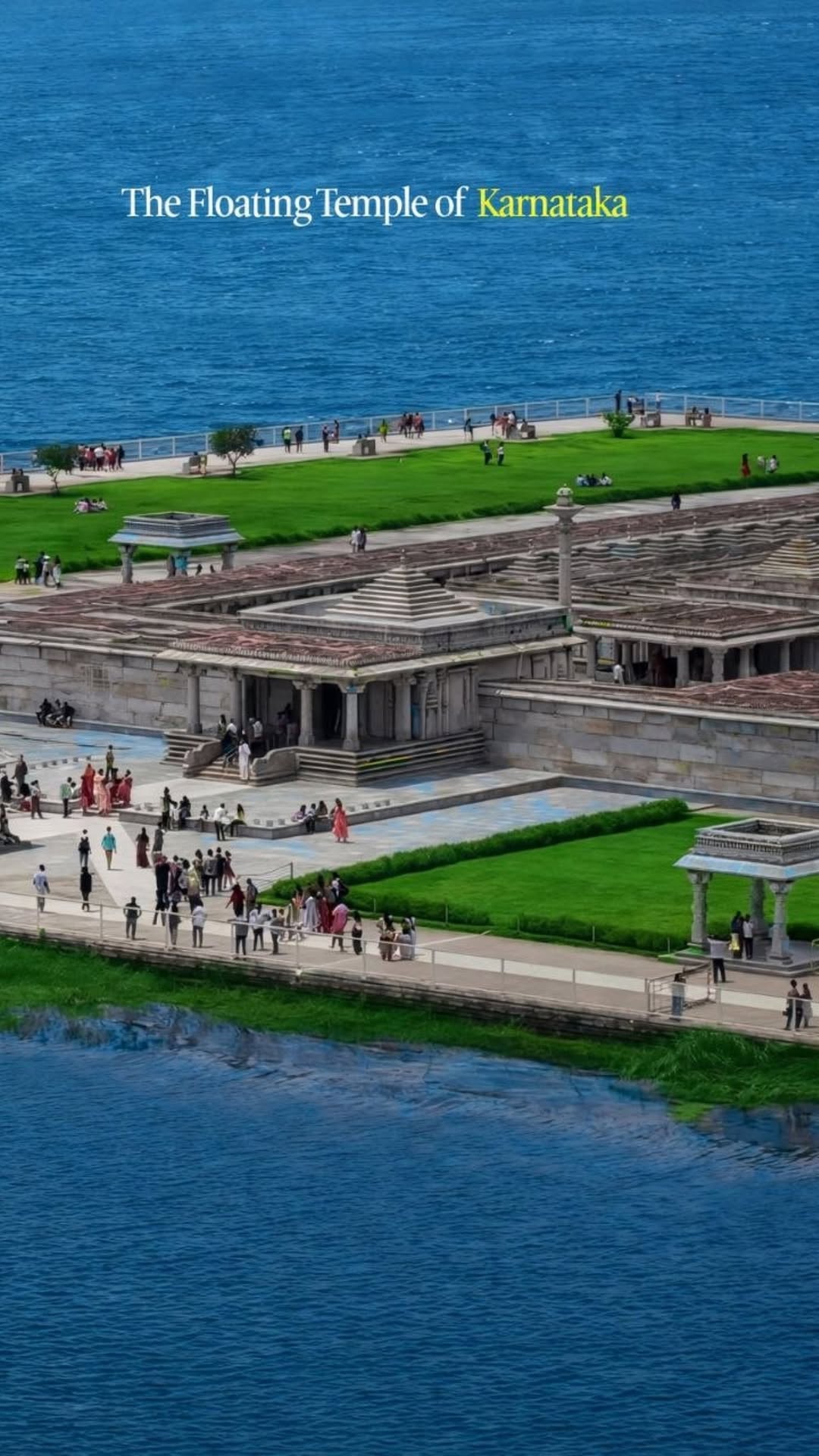
Situated majestically on the serene backwaters of the KRS Dam, the Sri Venugopalaswamy Temple is a stunning resurrection of 12th-century Hoysala architecture. Known globally as India's premier 'submerged and relocated' temple, it offers breathtaking sunset views over the water and a profound testament to the endurance of ancient stonework.

Primary DeityLord Venugopala SwamyForm of Bala Krishna (Playing the Flute)
TraditionHinduism (Vaishnavism)
AdministrationKhoday Foundation / Sri Venugopalaswamy Trust
Historical ManagementOriginally constructed in the 12th century by the Hoysala Empire. In the 1930s, it was abandoned and submerged by the construction of the Krishna Raja Sagara (KRS) Dam. In the early 2000s, it was painstakingly relocated and restored by the Khoday Foundation, who currently manage its maintenance and public access.

The History

The original temple was located in the ancient village of Kannambadi. When the visionary engineer Sir M. Visvesvaraya built the KRS Dam in 1909 (completed in 1932), the entire village was evacuated. The original idol of Lord Krishna was moved to a new village, but the massive stone temple was left behind and entirely swallowed by the rising waters. For 70 years, the temple lived underwater, surfacing only as a ghostly ruin during severe summer droughts. In 2003, a massive rehabilitation project began to save it.

Sacred Architecture

The Great Relocation and Reassembly

The original structure was a classic example of Hoysala Architecture, complete with lathe-turned pillars, intricately carved ceilings, and a massive courtyard. What makes it a modern marvel is the 'Translocation' process. When the water level dropped during a drought, experts video-graphed the ruins, numbered over 300,000 individual stone blocks, dismantled them using cranes, and transported them to a safer, higher location about a kilometer away. Master artisans then reassembled the temple exactly as it was, using traditional interlocking methods and no cement, proving the absolute genius of the ancient Hoysala builders.

Legend of the Deity

Lord Venugopala is the highly enchanting, peaceful form of Lord Krishna standing with his legs crossed, playing his divine flute to mesmerize the cows, the Gopis, and the entire cosmos. Due to the temple's watery history, locals believe that the Kaveri river herself rose to embrace and wash the feet of the Lord for seven decades.

Worship & Rituals

Because the original idol was moved to a different village when the dam was built, a beautiful new idol of Lord Venugopala was consecrated in the relocated temple. Worship here is serene and heavily focused on the beautiful, peaceful environment, offering a stark contrast to heavily commercialized pilgrimage

Festivals

As a newly resurrected temple, traditional ancient car festivals are still growing in scale. However, Krishna Janmashtami is celebrated with immense joy, and the temple site serves as a massive cultural and tourist hub, especially when the KRS dam is full and the water laps against the newly built outer retaining walls.

Daily Schedule

Visiting Hours: Daily from 8:00 AM to 6:00 PM.
(Note: The temple is heavily crowded on weekends. Evening visits are highly recommended for the spectacular view of the sun setting directly over the reservoir behind the temple.)
Continue Journey

Associated Shrines

Sri Chennakesava Temple, Somanathapura

Architectural Ancestor

Another spectacular Hoysala temple in the same region (ID 91 in your database), providing a perfect comparison to the original, unsubmerged Hoysala style.

Sri Ranganathaswamy Temple, Srirangapatna

Regional Epicenter

Located nearby on an island in the Kaveri river, it is one of the most important Vaishnava pilgrimage sites in South India.