🕉️

Vishwaguru

Awakening Heritage...

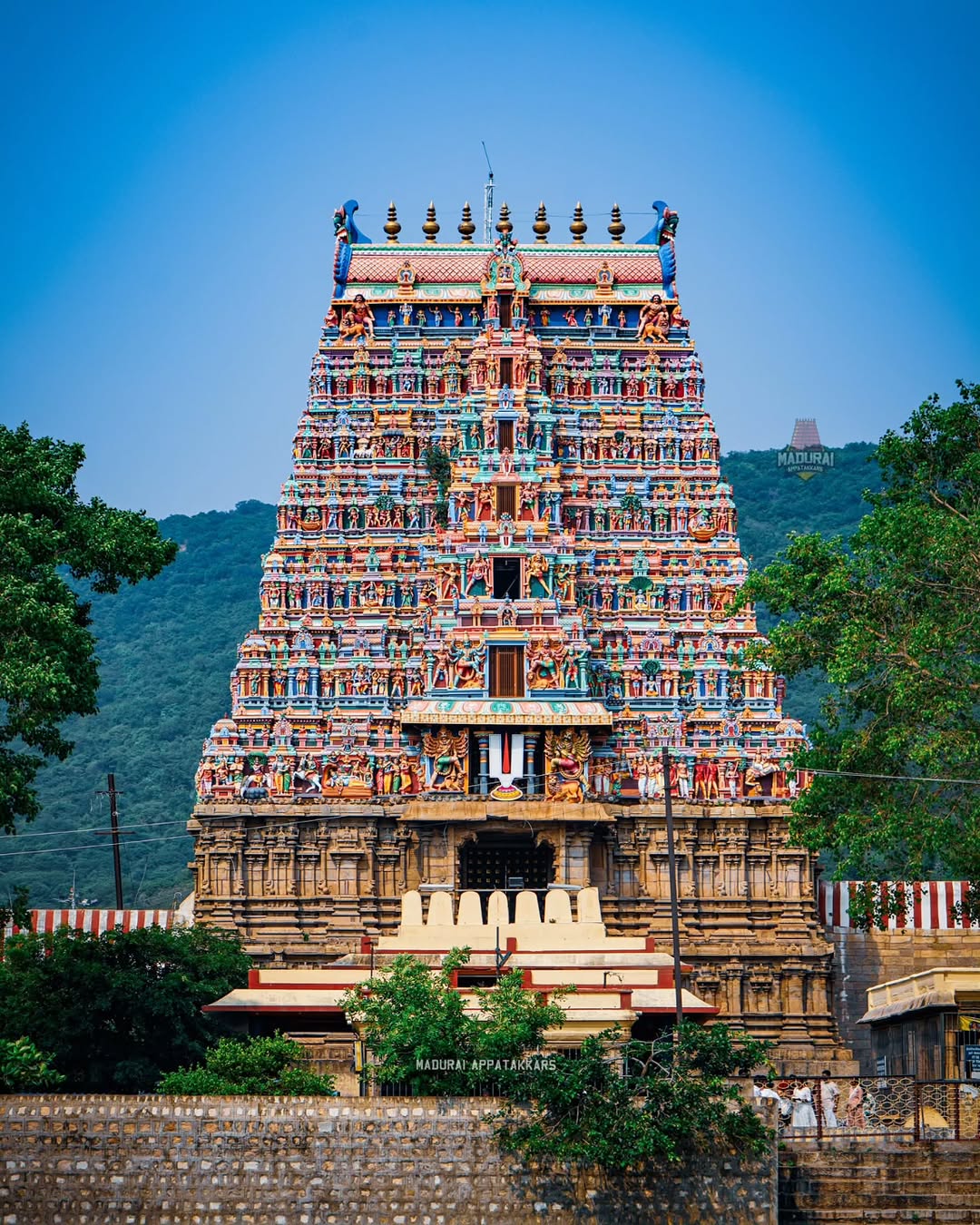
Narasingam Yoga Narasimha Perumal Temple

Narasingam (Othakadai), Madurai District, Tamil Nadu, India

Narasingam Yoga Narasimha Perumal Temple

Also known as: Yoga Narasimha Temple, Othakadai, Yanaimalai Cave Temple

VaishnavismCave TempleRock-cut ArchitecturePilgrimageYanaimalaiElephant HillPandya ArchitectureSage RomasaKudaivarai Kovil

Nestled at the foothills of the magnificent Yanaimalai (Elephant Hill), the Narasingam Yoga Narasimha Perumal Temple is a stunning 8th-century rock-cut cave shrine. It is an extraordinary specimen of Early Pandya architecture and serves as a serene, spiritually charged sanctuary where Lord Narasimha is worshipped in his calm, meditative posture.

Primary DeityLord Yoga Narasimha (Vishnu)Form of Maha Vishnu (Half-man, Half-lion Avatar in Meditative Posture)
TraditionHinduism (Vaishnavism)
AdministrationTamil Nadu HR&CE Department
Historical ManagementOriginally a rock-cut cave temple excavated by the Early Pandyas around the 8th century CE (specifically during the reign of King Marangari). Later structural additions, including the sprawling front mandapams, were built by the Nayaks of Madurai. Currently, it is managed by the Tamil Nadu Hindu Religious and Charitable Endowments (HR&CE) department.

The History

The core of the temple is a 'Kudaivarai' (cave temple) carved directly into the solid granite flank of Yanaimalai in 770 CE. The site features incredibly valuable ancient Vattezhuthu and Tamil Brahmi inscriptions that detail its creation, its consecration, and the land endowments provided by royalty for its daily upkeep.

Sacred Architecture

Pandyan Rock-Cut Mastery

The sanctum sanctorum is a magnificent Kudaivarai (rock-cut cave) excavated directly into the flank of the massive, elephant-shaped granite hill. The main idol of Lord Yoga Narasimha is monolithic—meaning it is carved out of the exact same mother rock as the cave itself. Because of this, it is physically impossible to circumambulate (pradakshina) the main deity. The beautiful, pillared stone mandapams extending in front of the cave were added centuries later by the Madurai Nayaks.

Legend of the Deity

According to the Brahmanda Purana, Sage Romasa performed intense penance at a lotus pond here to obtain a vision of Lord Narasimha. The Lord granted his wish, appearing exactly as he did after slaying the demon Hiranyakashipu—terrifying and full of Ugra (fury). To calm the Lord down, Prahlada and the celestial gods prayed fervently, after which Narasimha assumed the peaceful 'Yoga' posture, blessing the sage and the surrounding land.

Worship & Rituals

Worship follows traditional Vaishnava Agamas. Because the deity is carved directly into the mountain, the mountain itself is revered as a living entity. Devotees firmly believe that praying to Yoga Narasimha here cures chronic illnesses, removes the fear of enemies, and grants profound mental peace, reflecting the Lord's own transition from absolute fury to absolute tranquility at this very spot.

The folklore of the temple is inseparable from the geological marvel of Yanaimalai. According to local legend (from the Thiruvilaiyadal Puranam), during the ancient Sangam era, rival ascetics sent a massive, dark, magical elephant to crush the city of Madurai. Answering the frantic prayers of the Pandyan king, Lord Shiva fired a mystical arrow (Narasimhasthram) that instantly turned the charging beast into solid rock—creating the majestic, 3-kilometer-long elephant-shaped hill that shelters the temple today.

Festivals

The most important annual festival is Narasimha Jayanthi. Additionally, special Poojas and grand Abhishekam are performed every month on the day of the Swathi Nakshatram (Lord Narasimha's birth star), drawing huge crowds. The Gajendra Moksham festival is also celebrated grandly here, symbolically tied to the presence of the 'Elephant' hill.

Daily Schedule

Visiting Hours: Daily from 7:00 AM to 12:00 PM, and 4:00 PM to 8:00 PM.
Continue Journey

Associated Shrines

Kallazhagar Temple, Alagar Koyil

Regional Vaishnavite Circuit

Located relatively close by, this is one of the 108 Divya Desams and is intimately connected to the grand Chithirai festival of Madurai.

Meenakshi Amman Temple, Madurai

Madurai Epicenter

The crowning glory of Madurai's spiritual landscape, intricately tied to the broader mythology of the Yanaimalai hill itself.