🕉️

Vishwaguru

Awakening Heritage...

Gudimallam Temple

Gudimallam, Tirupati District, Andhra Pradesh, India

Gudimallam Temple

Also known as: Parasurameswara Temple, Gudimallam Parasurameshwara Swamy

ShaivismHistorical LandmarkASI Protected MonumentPilgrimageOldest Shiva Lingam2nd Century BCEApsidal ShrinePre-Agamic Iconography

Situated on the banks of the Swarnamukhi River near Tirupati, the Parasurameswara Temple at Gudimallam is an archaeological and spiritual marvel. It houses what is widely considered to be the oldest continuously worshipped Shiva Lingam in the world, dating back to the 2nd or 3rd century BCE, offering a rare glimpse into the dawn of Hindu temple worship.

Primary DeityLord ShivaForm of Parasurameshwara (Ancient Anthropomorphic Lingam)
TraditionHinduism (Shaivism)
AdministrationArchaeological Survey of India (ASI)
Historical ManagementThe temple boasts a continuous history of worship for over 2,000 years. It features ancient inscriptions from the Pallava, Chola (specifically Vikrama Chola), and Vijayanagara dynasties, recording land grants and the funding of perpetual lamps. Today, it is brought under the protection of the Archaeological Survey of India (ASI) due to its unparalleled historical significance.

The History

While the main brick and stone structure was built over centuries—with the apsidal sanctum constructed around the 3rd century CE by the Pallavas and later additions by the Cholas—the central Lingam predates the surrounding temple by hundreds of years. Discovered in its current form in 1911 by archaeologist T.A. Gopinatha Rao, this shrine serves as a crucial missing link in the evolution of Shaivite iconography from early Vedic nature worship to classical Hinduism.

Sacred Architecture

The Pre-Agamic Masterpiece

The temple's architecture is a fascinating study in evolution. The main sanctum (Garbhagriha) is Apsidal in shape, resembling the back of an elephant (Gajaprashta), a rare architectural style typically found in early Buddhist chaityas.

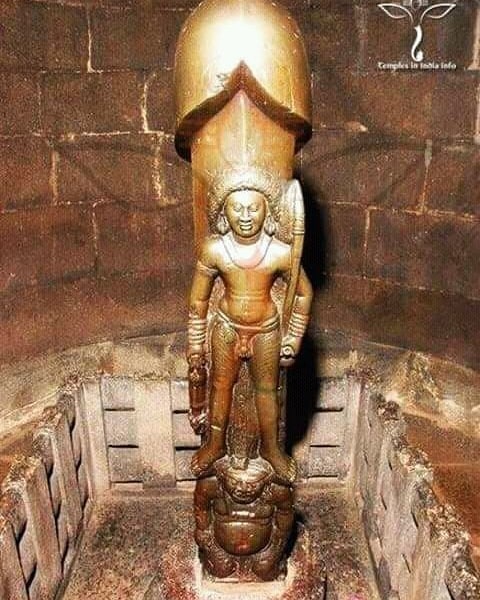
The Ancient Lingam: The 5-foot-tall Lingam is carved from a hard, dark brown stone. It is remarkably unique because an anthropomorphic (human) figure of Lord Shiva is carved in high relief directly onto the front of the shaft. Shiva is depicted standing gracefully on the shoulders of a crouching, dwarf-like demon (Apasmara Purusha). The deity holds a ram (or antelope) in his right hand, a small water pot in his left, and a battle-axe (parasu) resting on his left shoulder. This highly realistic, pre-Agamic iconography is completely distinct from the abstract, smooth Lingams standardized in later centuries.

Legend of the Deity

The presiding deity is Lord Parasurameshwara. According to Puranic legend, the sixth avatar of Vishnu, Lord Parasurama, worshipped Lord Shiva at this exact spot to expiate the sin of beheading his mother, Renuka. Another local myth suggests the temple marks the spot of a divine encounter and fierce battle between Lord Shiva (in the guise of a hunter) and a devoted tribal hunter, leading to their spiritual merging.

Worship & Rituals

Despite its status as an internationally significant ASI monument, Gudimallam remains a living, breathing temple. Traditional Shaivite rituals, Abhishekam, and Archana are performed daily by the temple priests. Devotees visit not only to seek spiritual blessings but to witness a literal, standing monument to the ancient origins of their faith.

Festivals

Maha Shivaratri is the most important festival, celebrated with immense devotion and night-long vigils. During the auspicious month of Karthika, special deepams (lamps) are lit, and continuous Abhishekam is performed. An architectural and astronomical marvel occurs during the equinoxes, when the rays of the setting sun pass through the temple's entrance to fall directly upon the ancient Lingam.

Daily Schedule

Visiting Hours: Daily from 6:00 AM to 8:00 PM.
Continue Journey

Associated Shrines

Srikalahasteeswara Temple

Fellow Ancient River Shrine

Located relatively close by on the banks of the same Swarnamukhi river, this is one of the most famous and ancient Shiva temples in South India (representing the wind element).

Sri Venkateswara Swamy Temple, Tirumala

The Regional Epicenter

The globally renowned temple of Lord Balaji, which dominates the spiritual landscape of the Tirupati district where Gudimallam is located.

Sri Kapileswara Swamy Temple

Tirupati's Guardian Shrine

The only other major Shiva temple located at the foot of the Tirumala hills, completing the Shaivite circuit for pilgrims visiting the region.