🕉️

Vishwaguru

Awakening Heritage...

Vishnupad Temple

Gaya, Bihar, India

Vishnupad Temple

Also known as: Gaya Ji, Pitru Tirtha, Vishnupada Mandir

VaishnavismPitru Karma ShrinePilgrimageNagara ArchitecturegayaPind DaanFalgu RiverGayasurPitru PakshaMoksha

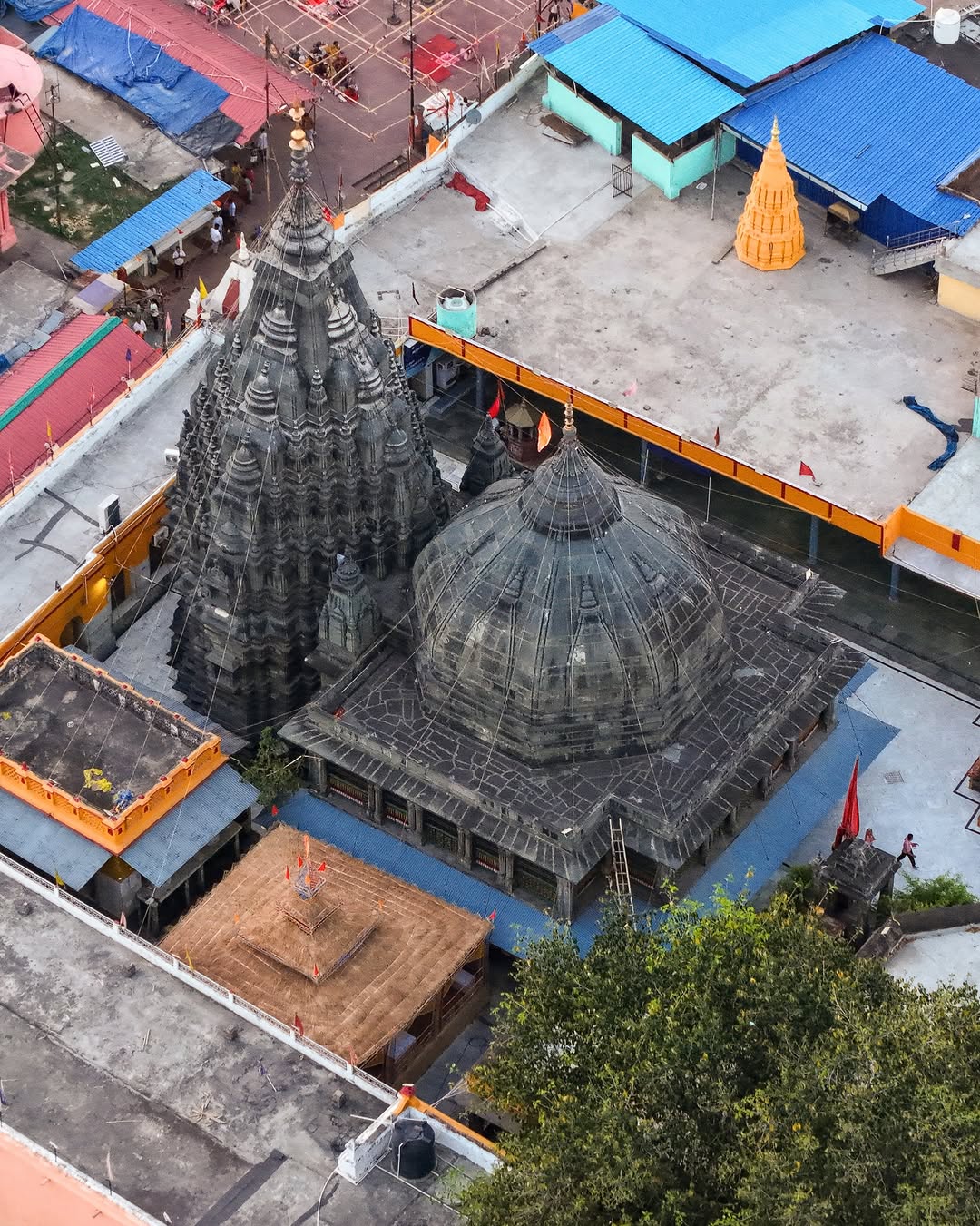
Gaya Ji is considered the absolute supreme destination in Hinduism for performing 'Pind Daan' and 'Shraddha'—rituals designed to offer salvation (Moksha) to departed ancestors. The spiritual heart of the city is the Vishnupad Temple, situated on the banks of the Falgu River. Instead of a traditional idol, the temple houses a 40-centimeter-long footprint of Lord Vishnu imprinted on solid rock, surrounded by a silver-plated basin.

Primary DeityLord VishnuForm of Dharmasila (Sacred Footprint)
TraditionHinduism (Vaishnavism / Ancestral Worship)
AdministrationGayawal Tirth Purohit Committee / Bihar State Religious Trust Board
Historical ManagementThe site has been revered since antiquity, with mentions in the Ramayana and Mahabharata. However, the magnificent temple structure standing today was rebuilt in 1787 by the great Maratha queen, Ahilyabai Holkar of Indore. The ritual economy is managed entirely by the local Gayawal Brahmins (Pandas).

The History

The sanctity of Gaya predates recorded history. According to the Ramayana, Lord Rama, Goddess Sita, and Lakshmana visited Gaya to offer Pind Daan for King Dasharatha. The footprint has been worshipped continuously for millennia. The modern grey granite octagonal temple was commissioned by Devi Ahilyabai Holkar to protect and honor the sacred footprint after centuries of political turbulence.

Sacred Architecture

Granite Homage to the Heavens

The 18th-century temple is a stunning example of engineering, constructed entirely of large grey granite blocks clamped together with iron. The temple is octagonal in shape, crowned by a towering 100-foot-tall pyramidal Shikhara (spire). The spire is topped with a heavy gold flag and a gold kalash donated by the Gayawal community. Inside the octagonal sanctum sits the Dharmasila (footprint) encased in pure silver.

Legend of the Deity

According to the Vayu Purana, a powerful and pious demon named Gayasur performed severe penance. He sought a boon that whoever saw or touched him would be instantly absolved of all sins and attain Moksha. This emptied hell and unbalanced the universe. To restore cosmic order, Lord Vishnu stepped on Gayasur's chest with his right foot to push him beneath the earth. Gayasur pleaded that the gods forever reside on his body and that the region be named after him. Vishnu granted the boon, leaving his footprint (Dharmasila) on the rock as a testament.

Worship & Rituals

Worship here is deeply personal and solemn. Unlike typical temples where devotees seek personal wealth or health, visitors here seek nothing for themselves. Rituals involve Pind Daan—the offering of rice balls, sesame seeds, and milk. These are performed sequentially at the Falgu River, inside the Vishnupad Temple, and finally beneath the sacred Akshayavat (the immortal banyan tree), strictly under the guidance of the Gayawal Brahmins.

The Falgu River flowing alongside the temple is famously known as a 'river of sand'. According to folklore, when Goddess Sita performed the Pind Daan for Dasharatha, she asked the Falgu River to be a witness. However, when Lord Rama returned, the river lied and said she had not performed it. Enraged, Sita cursed the Falgu River to lose its water on the surface. True to the legend, the riverbed appears completely dry on the surface year-round, but digging just a few inches into the sand reveals fresh, flowing water.

Festivals

The most defining event of Gaya is the 15-day Pitru Paksha Mela, held annually in the Hindu month of Ashwin (September–October). During this fortnight, millions of pilgrims from across India and the diaspora descend upon the city exclusively to perform ancestral rites, temporarily transforming Gaya into one of the most populated pilgrimage sites on earth.

Daily Schedule

Visiting Hours: Daily from 5:30 AM to 8:00 PM.
(Note: The adjacent ghats of the Falgu river and the Akshayavat tree are active from dawn till dusk with thousands of pilgrims performing Shraddha rituals.)
Continue Journey

Associated Shrines

Mangla Gauri Temple

Maha Shakti Peeth

Located in Gaya, this is an incredibly powerful shrine where a portion of Goddess Sati's breast is said to have fallen, making Gaya not just a Vaishnavite center, but a major Shakta pilgrimage as well.

Mahabodhi Temple, Bodh Gaya

Buddhist Epicenter

Located just 15 km away, this UNESCO World Heritage site is where Gautama Buddha attained enlightenment under the Bodhi Tree.

Sita Kund

Ramayana Legend

A small shrine on the opposite bank of the Falgu river where Goddess Sita was forced to perform the Pind Daan using river sand for King Dasharatha, as Rama was away gathering supplies.