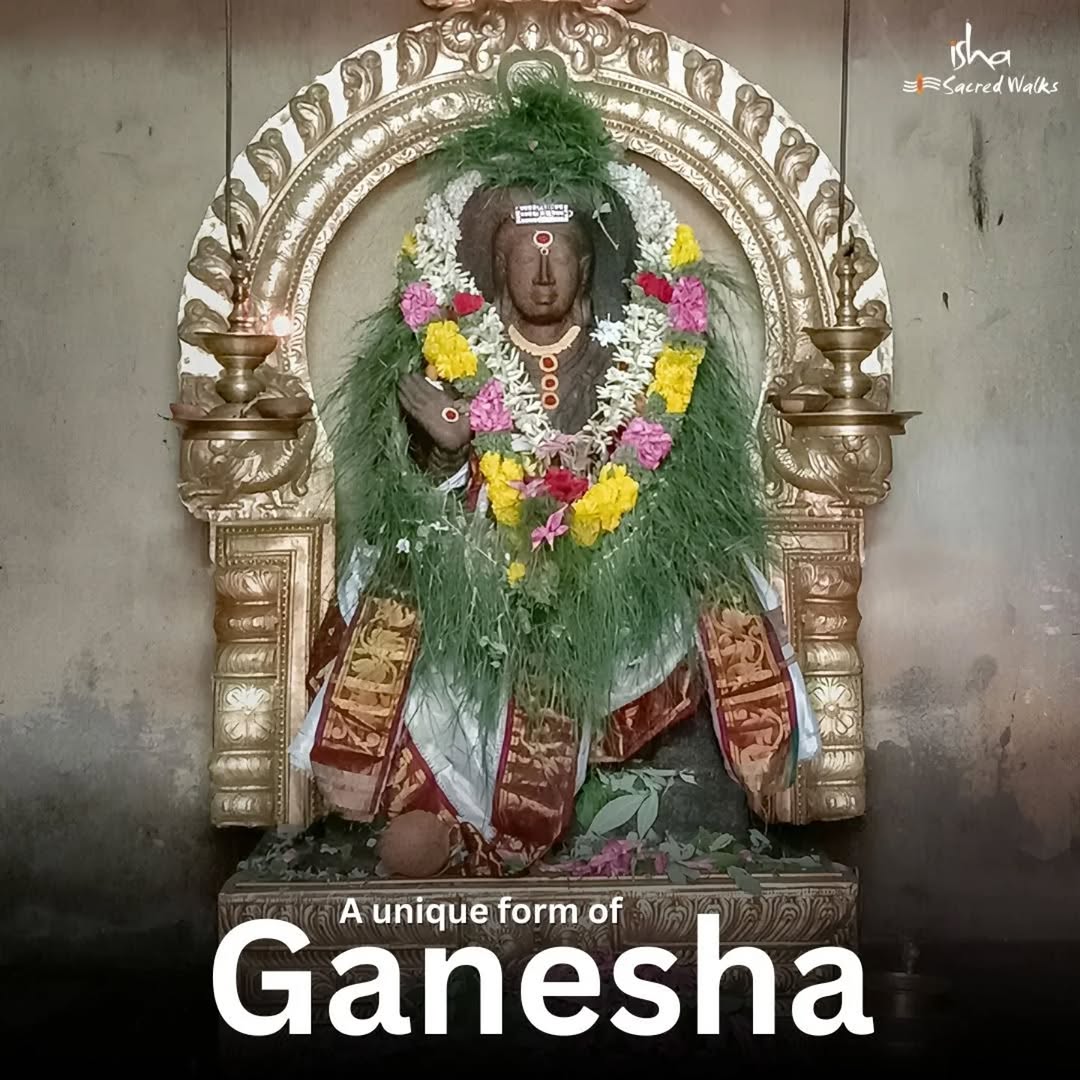
Sethalapathy (Thilatharpanapuri) | Thiruvarur, Tamil Nadu
Adi Vinayaka Temple
Also known as: Nara Mukha Pillaiyar, Thilatharpanapuri, Sethalapathy, Muktheeswarar Temple, Nara Mukha Vinayakar
A highly unique and ancient shrine located on the banks of the Arasalar River, globally renowned for housing an idol of Lord Ganesha with a human face (Nara Mukha) and for being a supreme destination for ancestral rites.
The History
It is one of the 275 highly revered Paadal Petra Sthalams—ancient Shiva temples glorified in the Tamil Tevaram hymns by the Nayanmar saints (specifically Thirugnana Sambandar) in the 7th century CE. The temple's ancient stone architecture reflects the classic Chola style, deeply embedded in the spiritual and agrarian landscape of the Cauvery delta.
Sacred Architecture
Dravidian Chola Architecture
The temple complex is built in the classic Dravidian architectural style of the Chola era, situated serenely on the banks of the Arasalar River. It features a modest but beautifully sculpted entrance gateway (Gopuram) leading into a spacious courtyard.
Inside, there are separate shrines for the presiding deity, Lord Muktheeswarar (Shiva in the form of a Lingam), and his consort, Goddess Swarnavalli Amman.
The absolute highlight of the temple is the separate shrine for Adi Vinayakar. The stone idol is sculpted standing upright with a right-leaning trunk... wait, no trunk! He is depicted beautifully with a human face, a serene expression, holding an axe and a rope in his upper hands, a modak in his lower left hand, and blessing devotees with his lower right hand. Outside the main sanctum, devotees can also view the four Shivalingams believed to have transformed from Lord Rama's rice offerings.
Legend of the Deity
The second legend connects to the Ramayana. Lord Rama, accompanied by Lakshmana, arrived here to perform the final Tharpanam (ancestral rites) for his deceased father, King Dasaratha. Initially, the four rice balls (Pindas) he offered turned into worms. Distressed, Rama prayed to Lord Shiva. Shiva instructed him to bathe in the Arasalar river and perform the rites again. This time, the four rice balls transformed into four Shivalingams (worshipped here as the Pitru Lingams). Because of this, the site is considered equivalent to Kashi and Rameswaram for ancestor worship.
Worship & Rituals
Second, it is one of the ultimate Parihara Sthalams (remedial sites) for Pitru Dosha (ancestral curses/karmic debts). Devotees bring sesame seeds (Thil) and water to the Arasalar riverbank to perform Tharpanam for their ancestors. It is deeply believed that performing these rites here guarantees that the souls of the departed attain Mukthi (liberation), reflecting the name of the presiding Lord, Muktheeswarar.
Festivals
The temple sees massive throngs of devotees on the auspicious days for ancestral rites, particularly Mahalaya Amavasya (the new moon day in autumn dedicated to ancestors) and Thai Amavasya (new moon in mid-Jan to mid-Feb).
Maha Shivaratri is also celebrated grandly for Lord Muktheeswarar with continuous night-long vigils and four-kalas pujas.
⏳ Daily Schedule
12:00 PM - 04:00 PM: Temple Closed
04:00 PM - 08:30 PM: Evening Darshan & Pujas
Associated Shrines
Koothanur Maha Saraswathi Temple
Fellow highly unique shrine
Located just 2 kilometers away, it is the only temple in Tamil Nadu dedicated exclusively to Goddess Saraswathi.
Rameswaram Ramanathaswamy Temple
Spiritual Equivalent
Like Thilatharpanapuri, Rameswaram is a premier destination for performing ancestral rites to attain peace and liberation.
Srivanchiyam Vanchinathaswamy Temple
Yama Parihara Sthalam
A nearby ancient temple where Lord Yama (God of Death) is worshipped first, also famous for ancestral liberation.