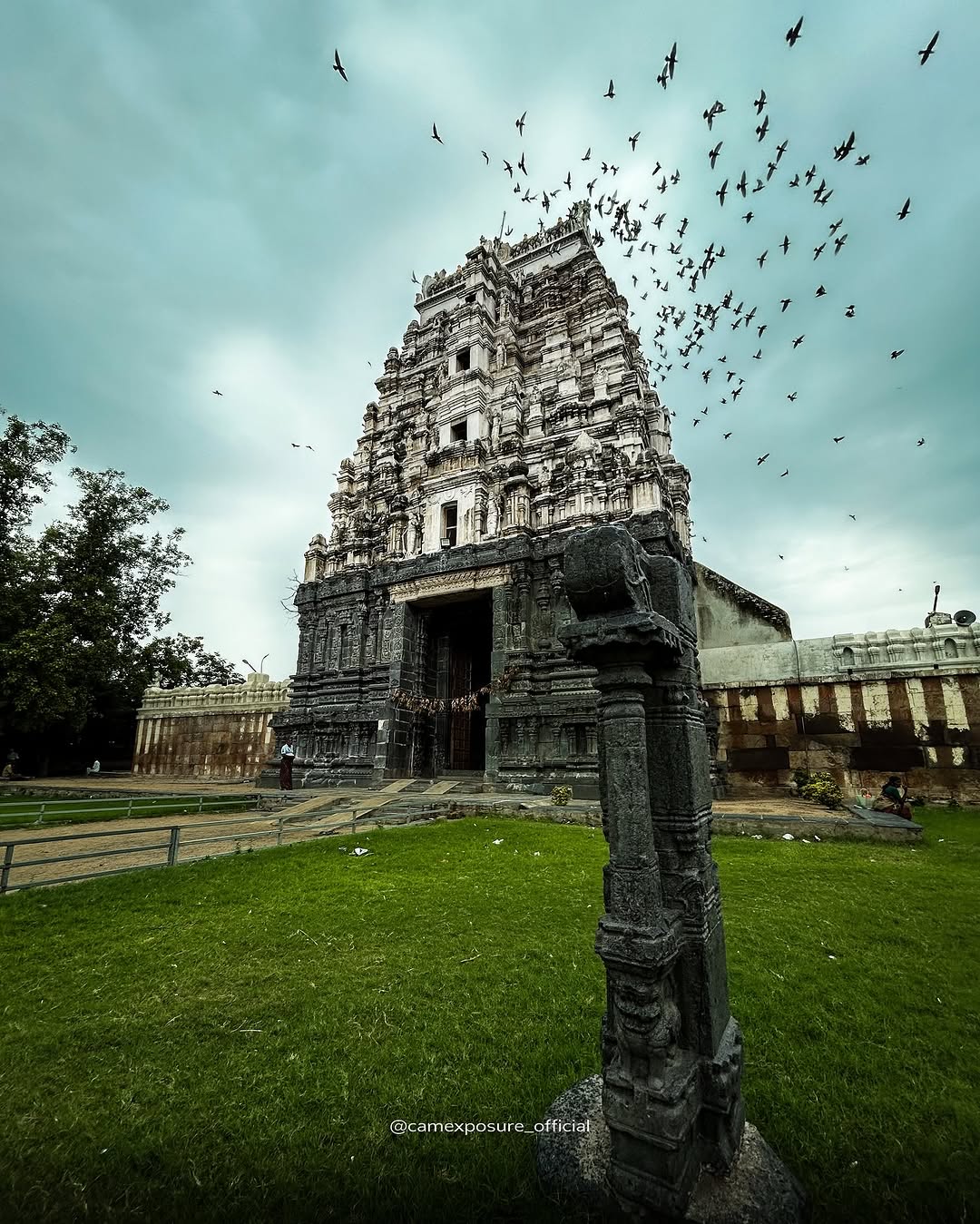
Mulki, Dakshina Kannada District, Karnataka, India
Sri Venkataramana Temple
Also known as: SVT Mulki, Mulki Sri Venkataramana Temple
Situated on the serene banks of the Shambhavi River, the Sri Venkataramana Temple in Mulki is one of the most prominent and spiritually vibrant temples of the GSB diaspora. While Lord Venkataramana is the presiding deity, the temple is globally renowned among its devotees for housing an incredibly powerful, ancient idol of Lord Ugra Narasimha.
The History
Sacred Architecture
Tulunadu Woodwork and Silver Grandeur
The temple showcases classic Tulunadu architecture, featuring steeply sloping red laterite tile roofs designed to combat the heavy coastal monsoons. The interiors are a marvel of ancient carpentry, adorned with exquisite, highly polished wood carvings depicting episodes from the Ramayana and Mahabharata. The sanctum sanctorum (Garbhagriha) is heavily fortified with heavy silver doors and intricately embossed silver facades, reflecting the deep devotion and prosperity of the patronizing community.Legend of the Deity
Worship & Rituals
The Ugra Narasimha idol here is enveloped in powerful modern folklore. It is a deeply held belief among the community that the idol's fierce energy acts as an absolute shield against black magic, terminal illnesses, and extreme financial ruin. Furthermore, it is said that no deceitful person can stand before the oracle (Patri) during a Darshana without breaking down and confessing their sins, as the Lord's piercing gaze strips away all falsehoods and hidden agendas.
Festivals
⏳ Daily Schedule
(Note: During the Ramanavami festival and special Darshana days, the temple draws massive international crowds and operates on an extended schedule.)
Associated Shrines
Sri Venkataramana Temple, Karkala
Sister GSB Temple
Another highly prominent GSB temple in the Tulunadu region, famously known as 'Padu Tirupathi' (Western Tirupati).
Bappanadu Durgaparameshwari Temple
Regional Neighbor
A famous Devi temple located just a short distance away in Mulki. It is renowned for its deep historical ties with local Muslim merchants, highlighting the unique syncretic culture of the coastal region.